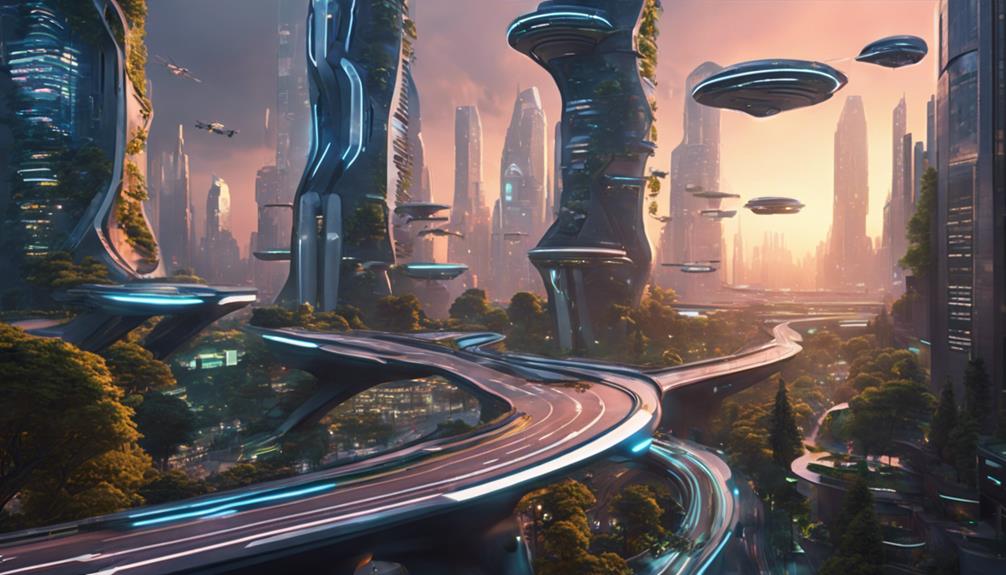
The Enchantment of Smart Cities
The concept of smart cities represents a paradigm shift in urban development, where innovative technologies and sustainable design principles converge to create efficient, livable, and environmentally conscious cities. By integrating green infrastructure, advanced technologies, and data-driven decision making, cities can reduce their carbon footprint, optimize energy consumption, and improve the quality of life for citizens. From intelligent transportation systems to seamless public services, the charm of smart cities lies in their ability to prioritize sustainability, efficiency, and citizen-centric design. As we explore the intersection of technology and urban planning, we uncover the full potential of these futuristic cities. Moreover, the integration of the Internet of Things potential allows for real-time monitoring and management of urban resources, enhancing responsiveness to the needs of residents. By connecting various city systems—such as waste management, energy grids, and transportation networks—cities can create a dynamic environment that not only responds to but anticipates the demands of urban life. Ultimately, the realization of smart cities hinges on collaborative efforts that harness technology while fostering a sense of community and belonging among citizens.
Building the Cities of Tomorrow
Building the Cities of Tomorrow
As the world's population continues to urbanize, city planners and architects are reimagining the concept of urban living, designing innovative, sustainable, and technologically advanced cities that will serve as the blueprint for the cities of tomorrow. This vision is driven by the need to create urban environments that are not just habitable but also environmentally conscious, economically viable, and socially equitable.
Sustainable architecture plays a pivotal role in this vision, as it enables cities to reduce their carbon footprint, conserve resources, and promote eco-friendly practices. Green buildings, renewable energy systems, and green spaces are just a few examples of sustainable design elements that are being integrated into modern city planning. Moreover, technological advancements are revolutionizing the way cities are designed and managed. Advanced technologies such as Building Information Modelling (BIM), 3D printing, and data analytics are enabling architects and planners to create more efficient, resilient, and adaptive urban systems.
The convergence of sustainable architecture and technological advancements is giving rise to a new generation of cities that are not just environmentally sustainable but also technologically advanced. These cities will be characterized by smart buildings, intelligent transportation systems, and data-driven decision-making processes. By utilizing the potential of technology and sustainable design, city planners and architects are creating a new urban environment that is poised to transform the way we live, work, and interact with our surroundings.
Intelligent Infrastructure in Action
In the heart of these futuristic cities, intelligent infrastructure is being deployed to optimize urban operations, enhance citizen experiences, and drive sustainability. This state-of-the-art infrastructure is the foundation of smart cities, harnessing advanced technologies to create efficient, responsive, and adaptive systems. Through smart technology, urban innovation is being redefined, as cities evolve into centers of connectivity, data-driven decision making, and real-time response.
Intelligent transportation systems, for example, utilize sensors, IoT devices, and data analytics to improve traffic flow, reducing congestion and emissions. Energy-efficient buildings and green spaces are being integrated into urban scenery, promoting a cleaner, healthier environment. Furthermore, advanced water management systems guarantee efficient distribution and conservation, minimizing waste and reducing the pressure on natural resources.
These innovative solutions are transforming urban living and nurturing economic growth, competitiveness, and job creation. By embracing urban innovation, cities can position themselves as hubs for entrepreneurship, R&D, and talent attraction. As intelligent infrastructure continues to advance, it will open up new opportunities for collaboration, knowledge sharing, and civic engagement, ultimately reshaping the urban experience.
Seamless Public Services at Hand
How can cities guarantee that public services are accessible, efficient, and responsive to the needs of citizens in a rapidly urbanizing world? The answer lies in utilizing the potential of intelligent technology to create smooth public services that cater to the changing demands of urban residents. By integrating innovative solutions into their operations, cities can make sure that citizens have convenient access to vital services, anytime and anywhere.
One key area of focus is streamlining administrative processes to reduce bureaucracy and red tape. Through digital platforms, citizens can easily submit applications, track progress, and receive notifications, eliminating the need for physical visits to government offices. Additionally, smart technology enables real-time monitoring and data analysis, allowing authorities to identify areas of improvement and optimize resource allocation. Moreover, the integration of creative design in smart device development plays a crucial role in enhancing user experience and accessibility. By prioritizing intuitive interfaces and user-friendly features, technology can better serve diverse populations. This innovative approach not only fosters greater public engagement but also encourages feedback loops that help refine services and ensure they meet the needs of the community.
The integration of smart technology also improves public convenience by providing citizens with a variety of self-service options. For example, intelligent kiosks and mobile apps can facilitate bill payments, permit applications, and other transactions, saving time and effort. Moreover, cities can utilize data analytics to anticipate and respond to citizen needs, nurturing a culture of proactive governance. By prioritizing public convenience and accessibility, cities can create an environment that is conducive to growth, innovation, and overall well-being. As the urban environment continues to change, the seamless delivery of public services will be a crucial factor in determining the livability and attractiveness of cities.
The Future of Urban Mobility
As cities focus on creating an environment conducive to growth and innovation, the need to rethink urban mobility becomes urgent, with intelligent transportation systems emerging as a vital component of smart city infrastructure. The future of urban mobility lies in embracing sustainable transportation solutions that reduce congestion, emissions, and energy consumption. Autonomous vehicles, for example, are positioned to transform the way people move around cities, offering improved safety, efficiency, and convenience.
In addition to autonomous vehicles, shared mobility options like electric scooters and car-sharing services are gaining popularity, providing citizens with flexible, cost-effective, and environmentally friendly transportation alternatives. These solutions not just alleviate traffic congestion but also foster a more collaborative and community-driven approach to urban mobility. By utilizing advanced technologies, such as IoT sensors and data analytics, cities can optimize their transportation networks, streamlining traffic flow and reducing travel times.
Furthermore, the integration of electric scooters and other shared mobility options into public transportation systems can create seamless, door-to-door travel experiences, further enriching the appeal of urban living. As cities work towards becoming more livable, sustainable, and efficient, the future of urban mobility will be shaped by innovative, tech-driven solutions that prioritize the needs of citizens, while decreasing the environmental impact of transportation.
Energy Efficiency by Design
As cities become more urbanized, the need for energy efficiency by design becomes crucial. By incorporating green infrastructure, optimizing energy use, and reducing carbon footprint, smart cities can minimize their environmental impact, creating sustainable and livable spaces. These vital elements of energy-efficient design not just benefit the environment but also improve the quality of life for citizens, becoming a cornerstone of smart city development.
Building Green Infrastructure
Cities of the future are harnessing green infrastructure, a comprehensive approach that integrates energy-efficient design principles into urban planning, to diminish their carbon footprint and establish sustainable living spaces. This groundbreaking approach merges sustainable technology with eco-friendly solutions to minimize the environmental impact of urban development. By integrating green roofs, green walls, and urban parks, cities can alleviate the urban heat island effect, decrease air pollution, and enhance air quality. Green infrastructure also aids in managing stormwater runoff, lessening the strain on drainage systems and mitigating flood risks. Through innovative urban design, cities can additionally boost natural light and ventilation, reducing the reliance on artificial lighting and heating. By prioritizing green infrastructure, cities can cultivate thriving ecosystems that bolster biodiversity, enhance public health, and elevate the overall quality of life for residents. As the world's population becomes increasingly urbanized, constructing green infrastructure is crucial to creating resilient, sustainable, and livable cities of the future.
Optimizing Energy Use
By integrating energy-saving design principles into urban planning, smart cities can greatly decrease their energy consumption, minimizing the strain on electricity grids and mitigating the environmental impact of energy production. This approach enables cities to optimize energy use, reducing the dependence on non-renewable energy sources and promoting a more sustainable future. By leveraging sustainable technology, smart cities can utilize renewable resources, such as solar and wind energy, to generate electricity. This not just reduces greenhouse gas emissions but also lowers energy costs for citizens and businesses. Moreover, energy-saving design principles can be applied to buildings, transportation systems, and public spaces, creating a comprehensive approach to energy optimization. By integrating smart energy management systems, cities can monitor and control energy consumption in real-time, identifying areas of inefficiency and implementing data-driven solutions. Through optimized energy use, smart cities can create a more livable, sustainable, and resilient environment for their citizens, setting a new standard for urban development.
Reducing Carbon Footprint
Through the strategic arrangement of green spaces, buildings, and infrastructure, smart cities can be planned to minimize energy consumption and lessen their carbon footprint from the beginning. This intentional approach allows cities to prioritize energy efficiency, easing the burden on resources and lessening the impact on the environment. By integrating sustainable transportation systems, such as electric or hybrid vehicles, and encouraging walkable and bikeable communities, cities can reduce their dependence on fossil fuels to a great extent. The incorporation of green technology, such as solar panels, wind turbines, and geothermal energy, further supports this effort. Moreover, smart buildings and homes, equipped with energy-efficient systems and appliances, can optimize energy utilization and minimize wastage. By designing cities with sustainability in mind, we can create flourishing, environmentally conscious hubs that promote the well-being of both residents and the planet. This forward-thinking approach not just diminishes carbon emissions but also nurtures a healthier, more enjoyable environment for future generations.
Data-Driven Urban Planning Decisions
Urban planners can utilize the influence of data analytics to create more efficient, sustainable, and citizen-centric infrastructure development by making informed decisions rooted in empirical evidence rather than intuition or anecdotal experience. This data-driven approach enables urban development to be customized to the specific needs of citizens, optimizing resource allocation and minimizing waste. By analyzing vast amounts of data, planners can identify trends, patterns, and correlations that inform urban planning decisions, ensuring that infrastructure investments yield maximum returns.
Data analytics plays a pivotal role in smart city development, providing valuable insights into urban dynamics, traffic flow, energy consumption, and waste management, among other aspects. By integrating data from various sources, such as sensors, IoT devices, and citizen feedback, urban planners can create tailored, data-driven models that simulate the impact of different development scenarios. This enables them to test and refine their strategies, mitigating potential risks and maximizing benefits.
Informed by data analytics, urban planners can prioritize projects that yield the greatest benefits, such as optimizing transportation systems, enhancing public safety, and promoting sustainable energy solutions. By utilizing the potential of data, cities can become more livable, resilient, and adaptive, in the end improving the quality of life for citizens. As the urban environment continues to evolve, data-driven urban planning decisions will remain a cornerstone of smart city development, propelling progress and innovation in the years to come.
Frequently Asked Questions
Can Smart Cities Be Designed to Accommodate Rural Areas' Needs?
The notion of designing smart cities to cater to rural areas' needs is a pressing concern. It necessitates a multifaceted approach, prioritizing rural connectivity to bridge the digital gap. Community engagement is essential, ensuring that rural residents' voices are heard and their distinct challenges addressed. By doing so, smart cities can be customized to promote inclusive growth, nurturing symbiotic relationships between urban and rural areas. This harmonious coexistence can open up mutual benefits, driving prosperity and development for all.
How Do Smart Cities Address Cybersecurity Threats and Data Privacy?
As the digital scenery unfurls like a quilt of vulnerability, the specter of cybersecurity threats looms large. To safeguard against this menace, cities must strengthen their defenses with strong privacy protection and state-of-the-art cybersecurity measures. Data encryption is key, shielding sensitive information from prying eyes. Yet, surveillance concerns necessitate a delicate balance between security and individual freedom. By striking this equilibrium, cities can guarantee a safe and secure haven for their citizens.
Will Smart Cities Lead to Job Displacement Due to Automation?
The arrival of automation in smart cities raises concerns about job displacement, a pressing workforce impact. As technological advancements continue to transform industries, many jobs will undergo significant changes, necessitating job shift strategies. It is vital to contemplate the broader societal implications of automation, ensuring that workers are equipped with the skills to adapt to emerging job markets and that the benefits of technological progress are shared equitably among all stakeholders.
Can Smart Cities Be Retrofitted Into Existing Urban Areas?
Retrofitting smart city infrastructure into existing urban areas is a complex endeavor. Urban integration is essential, as it requires harmonizing new technologies with existing infrastructure, avoiding disruptions to daily life. Infrastructure challenges abound, including outdated transportation systems, limited green spaces, and aging buildings. Effective retrofitting demands a profound comprehension of the urban ecosystem, innovative solutions, and strategic planning to guarantee a smooth shift to a smart city.
How Will Smart Cities Handle Increasing Urban Population Density?
As urban populations continue to swell, effective urban planning is vital to accommodate increasing density. Implementing sustainability initiatives, such as green infrastructure and mixed-use development, can alleviate the strain on resources and infrastructure. By prioritizing compact, walkable neighborhoods and investing in efficient transportation systems, cities can sustain a high quality of life for residents simultaneously reducing environmental impact. Strategic planning is necessary to guarantee that density is managed in a way that benefits both citizens and the environment.

Related Posts

The Top Tools for Empowering Creative Developers in 2024

How Creative Coding Is Bridging Art and Technology
