Innovative Approaches to Product Launches
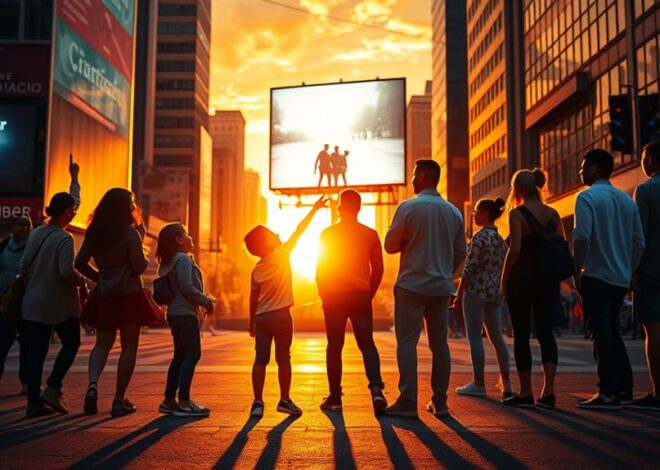
Innovative product launches now focus on creating immersive brand experiences that drive engagement, spark buzz, and captivate audiences. Experiential marketing, virtual reality storytelling, and data-driven strategies are just a few approaches being used to make a lasting impact. Influencer collaborations, interactive demos, and gamification tactics are also being employed to boost engagement and loyalty. Social media countdowns, pop-up events, and augmented reality experiences are further enhancing the product launch experience. From redefining experiential launches to unveiling influencer collaborations, there's more to discover about the innovative approaches that are revolutionizing product launches.
Experiential Launches Redefined
One innovative approach to product launches is experiential marketing, which has evolved to become a pivotal strategy for companies looking to create memorable and immersive brand experiences. By crafting unique, interactive engagements, brands can break away from traditional launch events and truly connect with their target audience. Immersive activations are a key component of experiential marketing, allowing attendees to step into a fully realized environment that brings the brand to life. These activations often incorporate sensory experiences, such as tactile, auditory, and visual elements, to create a multisensory encounter that resonates with attendees on a deeper level.
To execute an effective experiential launch, companies must carefully consider the emotional and psychological connections they want to make with their audience. By tapping into consumers' desires, needs, and pain points, brands can design activations that not just showcase their product but also provide a sense of belonging, excitement, or wonder. For instance, a fashion brand might create an immersive pop-up shop where attendees can explore a futuristic cityscape, complete with interactive installations and Instagram-worthy backdrops. By leveraging the influence of sensory experiences and immersive activations, companies can generate buzz, drive engagement, and create a lasting impression that sets their product launch apart from the competition.
Storytelling Through Virtual Reality
Through the lens of virtual reality, brands can craft compelling narratives that transport consumers into the core of their product's story, nurturing emotional connections and memorable experiences. This innovative approach to product launches enables companies to create immersive storytelling experiences that leave a lasting impression on their audience. By leveraging the potential of VR, brands can design interactive experiences that simulate real-life scenarios, allowing consumers to engage with their products in a more intimate and meaningful way.
Here are three ways VR can bring a product's story to life:
- Virtual product demos: Allow consumers to explore and interact with products in a virtual environment, providing a deeper insight into its features and benefits.
- Immersive brand environments: Transport consumers into a virtual world that mirrors the brand's personality and values, nurturing an emotional connection and brand loyalty.
- Interactive simulations: Create realistic scenarios that demonstrate the product's capabilities, such as a virtual test drive or a simulated product trial, allowing consumers to experience the product firsthand.
Data-Driven Hyper-Targeting Strategies
By utilizing advanced data analytics and machine learning algorithms, brands can now develop highly focused marketing strategies that pinpoint their ideal customers with remarkable accuracy. This precision is enabled by the capability to analyze vast amounts of data, identifying patterns and insights that would be unattainable for humans to detect. With targeted analytics, brands can create detailed customer profiles, segmenting their audience based on demographics, behavior, and preferences.
These profiles enable brands to craft personalized messaging that resonates deeply with their target audience. Gone are the days of one-size-fits-all marketing campaigns; instead, brands can tailor their messaging to speak directly to individual customers. This level of personalization is proven to drive engagement, conversion, and loyalty.
Data-driven hyper-targeting strategies also allow brands to optimize their marketing spend, allocating resources to the channels and tactics that yield the greatest return on investment. By analyzing customer behavior and response rates, brands can refine their marketing mix in real-time, ensuring maximum impact and efficiency.
The result is a marketing strategy that is both highly effective and profoundly efficient. By leveraging the potential of data analytics and machine learning, brands can create a customer-centric approach that drives business growth and customer loyalty. As the marketing environment continues to evolve, data-driven hyper-targeting strategies will play an increasingly significant role in product launches, helping brands to stand out in a competitive marketplace and achieve enduring success.
Influencer Partnerships Unleashed
Influencer partnerships have emerged as a dominant strategy for product launches, allowing brands to tap into the vast, engaged followings of social media personalities who wield significant influence over their target audience. By collaborating with influencers, brands can amplify their message, increase brand awareness, and drive conversions.
Here are three ways influencer partnerships can create engaging experiences:
- Exclusive access events: Invite influencers to private product introductions, giving them a first-look at the latest innovation and encouraging them to share their excitement with their followers.
- Customized content campaigns: Partner with influencers to develop tailored content that showcases the product's unique features and benefits, resonating with their audience and sparking meaningful conversations.
- Live streaming product demos: Collaborate with influencers to host live product demonstrations, offering their followers real-time, behind-the-scenes access to the product's capabilities and features.
Influencer collaborations can be particularly effective when combined with digital activations, such as social media contests, giveaways, or interactive quizzes. These integrated campaigns can generate buzz, drive engagement, and in the end, propel product sales. By leveraging the creative potential of influencers and the reach of digital platforms, brands can create immersive, memorable experiences that leave a lasting impression on their target audience.
Interactive Product Demos Online
Brands are now taking product demos to the next level by creating immersive online experiences that allow customers to interact with products in real-time, nurturing a deeper comprehension of their features and benefits. This innovative approach enables customers to explore products from the comfort of their own homes, reducing the need for physical store visits and allowing them to make more informed purchasing decisions.
Interactive tutorials are a key component of these online demos, providing customers with step-by-step guidance on how to use products and highlighting their key features. This hands-on approach helps to build trust and confidence in the product, increasing the likelihood of a sale. Moreover, virtual try-ons are being used to allow customers to see how products would look or fit without having to physically try them on. This is particularly useful for fashion and beauty brands, where fit and aesthetics are essential.
Live Streaming for Launch Success
In terms of live streaming for launch success, companies are finding creative ways to captivate their audience. By offering behind-the-scenes glimpses, they're building anticipation and creating a sense of exclusivity. Furthermore, real-time engagement through live Q&A sessions and polls helps to nurture a deeper connection with customers.
Behind the Scenes
Live streaming a 'behind-the-scenes' look at product development can humanize a company and build anticipation for the launch by offering a glimpse into the creative process, product testing, and team interactions. This approach provides behind-the-scenes insights, giving viewers a sense of what goes into creating a product and the success secrets that drive innovation.
Imagine tuning in to a live stream and seeing:
- Designers huddled around a whiteboard, brainstorming ideas and sketching out prototypes.
- Engineers conducting product testing, pushing the limits of what's possible, and refining their designs.
- Team members high-fiving and celebrating milestones, showcasing the team dynamics that drive success.
Real-Time Engagement
By broadcasting product launches in real-time, companies can create an electrifying sense of urgency, nurturing a deeper connection with their audience and generating buzz around new releases. Live streaming has become a potent tool for product launches, allowing companies to engage with their audience in real-time. This approach enables companies to build anticipation, create a sense of FOMO (fear of missing out), and encourage audience participation.
Through live streaming, companies can host live Q&A sessions, allowing customers to ask questions and receive instant answers. This builds trust and provides valuable feedback. Moreover, interactive polls can be conducted to gauge audience sentiment, providing instant insights and helping companies tailor their marketing strategies. Real-time engagement also enables companies to address any concerns or issues immediately, showcasing their dedication to customer satisfaction. By leveraging live streaming, companies can create an immersive and interactive experience, setting themselves apart from competitors and driving launch success.
Gamification for Engagement Boost
Marketers are increasingly utilizing gamification strategies to inject a competitive spirit into product launches, thereby boosting engagement and driving customer loyalty. By incorporating game-like elements, brands can create immersive experiences that captivate audiences and nurture a sense of belonging. This innovative approach has proven to be an effective way to cut through the noise and stand out in a crowded market.
Here are three ways gamification can enrich product launches:
- Virtual scavenger hunts: Conceal exclusive content, early access, or limited-edition merchandise within the launch campaign, encouraging customers to explore and engage with the brand.
- Leaderboard challenges: Create a competitive atmosphere by ranking customers based on their engagement, such as sharing content, completing tasks, or referring friends.
- Mystery rewards: Offer surprise gifts or perks to customers who complete specific tasks or achieve certain milestones, keeping them engaged and curious about what's next.
Gamification not simply improves the overall experience but also provides valuable insights into customer behavior and preferences. By leveraging engagement challenges and gamified experiences, marketers can craft bespoke interactions that resonate with their target audience, driving loyalty and advocacy. As the product launch scenery continues to evolve, gamification is positioned to play a pivotal role in shaping the future of customer engagement.
Social Media Countdown Campaigns
Counting down to a product launch on social media creates an electrifying atmosphere, building anticipation and excitement among followers. Brands can utilize this energy by crafting a social media countdown campaign that showcases their product's features, benefits, and unique value proposition.
| Day | Content Type | Engagement Strategy |
|---|---|---|
| 5 | Sneak Peek | Ask followers to guess the product's features |
| 4 | Influencer Collaboration | Share an influencer's review or unboxing video |
| 3 | Customer Testimonial | Highlight a satisfied customer's experience |
| 2 | Product Demo | Share a short tutorial or demo of the product |
| 1 | Launch Announcement | Create a sense of urgency with a limited-time offer |
Pop-Up Events for Product Buzz
Pop-up events offer a unique opportunity for brands to generate buzz around their product launches, creating immersive experiences that engage potential customers and nurture memorable interactions. These temporary installations allow brands to create a sense of urgency and exclusivity, sparking curiosity and excitement among attendees. By incorporating popup surprises, such as limited-time offers or giveaways, brands can create a sense of FOMO (fear of missing out) and encourage attendees to share their experiences on social media.
Here are three ways pop-up events can bring products to life:
- Sensory Overload: Create an immersive environment that awakens attendees' senses, such as a dark room filled with neon lights and pulsating music, perfectly complementing a new line of neon-colored sportswear.
- Interactive Playgrounds: Design interactive experiences that allow attendees to engage with products in a hands-on manner, such as a mini golf course showcasing a new line of golf clubs or a virtual reality experience demonstrating a new smart home system.
- Exclusive Access: Offer attendees exclusive access to products before they hit the market, creating a sense of privilege and encouraging them to share their experiences with their networks.
Augmented Reality Unboxing Experiences
They're taking unboxing to the next level with augmented reality experiences that let customers virtually explore products before they even open the box. By using AR, brands can create thrilling surprises during the unboxing process, making the experience feel more like a discovery than a routine task. This innovative approach enhances buzz and provides valuable insights into customer behavior and preferences.
Virtual Product Exploration
By leveraging augmented reality technology, brands can now transport customers into immersive unboxing experiences, allowing them to virtually explore products from every angle before making a purchase. This innovative approach enables customers to engage with products in ways that were previously impossible. Virtual product exploration offers a level of product immersion that's unparalleled in traditional online shopping.
Here are just a few ways brands can create engaging virtual experiences:
- 360-degree product views: Allow customers to rotate, zoom, and inspect products from every angle, giving them a sense of ownership before they even make a purchase.
- Interactive demo simulations: Enable customers to interact with products in a virtual environment, simulating real-world usage and demonstrating product features and benefits.
- Virtual showroom experiences: Transport customers into virtual showrooms where they can explore products in a lifelike setting, complete with realistic lighting and textures.
AR Unboxing Surprises
Brands are now taking unboxing to the next level by incorporating augmented reality (AR) elements that surprise and delight customers as they reveal their purchases. This innovative approach creates an immersive experience, elevating the traditional unboxing ritual into an event that sparks excitement and curiosity. As customers remove the packaging, AR triggers mystery displays, uncovering hidden features, exclusive content, or even personalized messages. The element of surprise is crucial, as customers' reactions range from amazement to wonder, generating buzz and encouraging social media sharing.
AR unboxing surprises not only enrich customer engagement but also offer valuable insights into customer reactions and preferences. By tracking interactions and feedback, brands can refine their products and marketing strategies, nurturing a deeper connection with their audience. As the boundaries between physical and digital blend, AR unboxing experiences are redefining the art of product launches, providing a fresh canvas for creative storytelling and brand differentiation. By embracing this advanced technology, brands can create memorable, shareable moments that leave a lasting impression on customers. Moreover, AR unboxing allows brands to showcase not just the product, but the entire experience surrounding it, fostering a sense of anticipation and excitement among consumers. This immersive approach helps in crafting irresistible sales offers that resonate with the audience’s desires and aspirations. As customers become active participants in the unboxing journey, they are more likely to share their experiences on social media, amplifying brand visibility and driving organic growth.
Frequently Asked Questions
How Do I Measure the ROI of an Experiential Product Launch?
She gauges the buzz around the launch by tracking social media metrics, like hashtag mentions and engagement rates. She assesses customer engagement through surveys and feedback forms, measuring the emotional connection attendees formed with the brand. By calculating the lift in brand awareness and correlating it with sales figures, she determines the ROI of the experiential launch, conclusively justifying the investment in immersive experiences that leave a lasting impression.
What Is the Ideal Budget for Influencer Partnerships?
When determining the ideal budget for influencer partnerships, she considers the influencer's engagement rates, content quality, and audience alignment. A thorough ROI analysis helps her allocate the budget effectively, ensuring a strong partnership strategy. By dedicating 15-20% of the overall budget to influencer collaborations, she can drive brand awareness, generate buzz, and in the end, boost sales.
Can Virtual Reality Experiences Be Adapted for Mobile Devices?
She explores the possibility of adapting virtual reality experiences for mobile devices, and the answer is a resounding yes. Mobile adaptability is key to accessing immersive, interactive experiences on-the-go. By leveraging advanced VR technology, brands can create engaging, 360-degree experiences that transport users to new worlds, all from the palm of their hand. It's a game-changer for innovative storytelling and customer engagement.
How Do I Ensure Data-Driven Targeting Doesn't Feel Invasive to Customers?
'Actions speak louder than words' in the realm of building trust with customers. She guarantees data-driven targeting doesn't feel intrusive by emphasizing ethical targeting, honoring customers' boundaries, and being transparent about data collection. By doing so, she promotes customer engagement, nurturing a feeling of control and agency. This method not just propels business outcomes but also nurtures a devoted customer base that values her brand's dedication to their privacy.
What Is the Recommended Duration for a Live Streaming Product Launch?
In terms of live streaming a product launch, she suggests keeping it concise to maximize the best engagement. A 30-60 minute window is ideal, allowing for meaningful audience interaction without overwhelming viewers. This duration enables a balance between highlighting key features and maintaining an engaging narrative, ensuring the audience remains invested in the launch.