The Future of Interactive Marketing Experiences
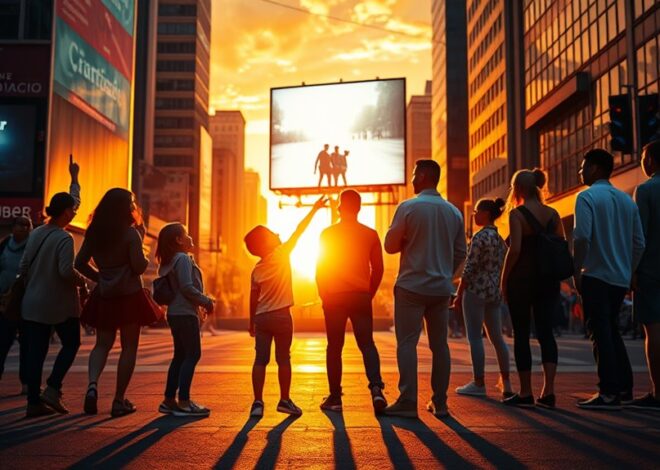
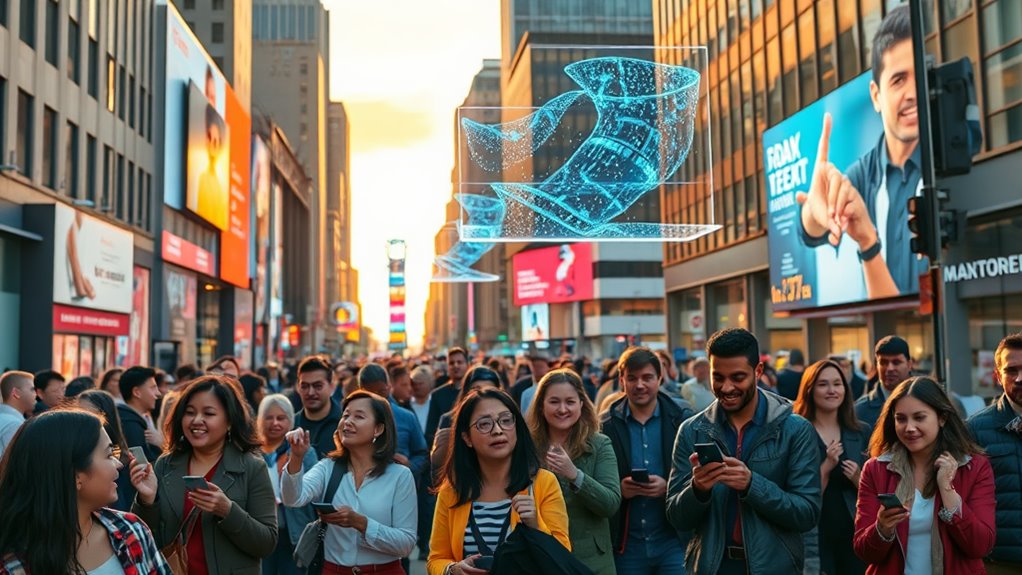
The future of interactive marketing experiences is all about creating unforgettable expeditions for your consumers. You'll see a blend of virtual and physical engagements, where AI chatbots bring personalization to the forefront. Immersive storytelling will capture your audience's attention, whereas innovative packaging turns interactions into sensory delights. Social augmented reality will improve brand narratives and user-generated content will create deeper connections. Real-time data will guide your strategies, ensuring you stay ahead of trends. As you explore these innovations, you'll discover even more ways to raise your brand experience and deepen customer loyalty.
Virtual Events Redefine Engagement
Explore virtual events and you'll find that they're revolutionizing the way people connect, interact, and engage with brands, products, and each other. These immersive environments offer unparalleled opportunities for virtual networking, allowing you to build meaningful relationships with attendees from anywhere in the world. As you navigate these digital platforms, you'll notice that attendee interaction is no longer limited by geographical constraints. Instead, you can engage with participants in real-time, nurturing a sense of community and encouraging collaboration.
To optimize your virtual event strategy, it's crucial to leverage event analytics. By tracking attendee behavior and feedback, you can refine your engagement strategies and create more targeted, personalized experiences. Content gamification is another key aspect, as it incentivizes participants to engage more deeply with your brand and content. You can likewise use hybrid experiences to bridge the gap between physical and virtual events, creating a seamless, omnichannel experience for attendees.
AI-Powered Chatbots Get Personal
As you explore AI-powered chatbots, you'll discover how they can humanize brand engagement by comprehending your customers' emotions and needs. You'll see that emotional intelligence matters, as chatbots can now empathize and respond accordingly, making interactions feel more natural. By optimizing conversational flow, you'll be able to create personalized experiences that build strong connections with your customers.
Humanized Brand Engagement
Your brand's digital presence is about to get a whole lot more personal. With AI-powered chatbots, you're no longer limited to generic, automated responses. You can now create humanized brand engagement that nurtures brand authenticity and customer empathy. By leveraging emotional connections, you build trust with your audience, establishing a loyal community that shares your values.
Personalized outreach is key to this strategy, allowing you to tailor your messaging to individual consumers. Storytelling authenticity is essential, as consumers crave genuine connections with brands. By collecting consumer feedback, you can refine your approach, ensuring that your relationship marketing efforts resonate with your audience. The result is a loyal community that advocates for your brand, driving long-term growth and success. With humanized brand engagement, you're not just selling products – you're building meaningful relationships that last.
Emotional Intelligence Matters
You've likely experienced the frustration of chatting with a customer service bot that doesn't understand your emotions or concerns. It's like talking to a brick wall, and it's a major turnoff. But what if chatbots could understand and respond to your emotions? That's where emotional intelligence comes in. AI-powered chatbots with emotional intelligence can create an emotional connection with users, leading to a more personalized user experience. By using empathy mapping and sentiment analysis, these chatbots can tap into your emotions and concerns, providing more effective solutions. This not only improves the user experience but additionally provides valuable audience insights, helping brands build authenticity and trust. Emotional storytelling becomes more effective, and feedback loops help refine the relationship. As a result, brands can cultivate meaningful relationships with their audience, driving loyalty and advocacy. With emotional intelligence, AI-powered chatbots can transform from frustrating obstacles to empathetic allies, revolutionizing the way we interact with brands.
Conversational Flow Optimization
How do you feel when a chatbot seamlessly guides you through a conversation, effortlessly grasping your needs and responding with precision? You feel empowered, right? That's due to conversational flow optimization is revolutionizing the way brands interact with you. AI-powered chatbots are now capable of comprehending user intent, adapting to your tone, and responding with contextual messaging that resonates.
These chatbots don't just respond to your queries; they anticipate your needs, providing personalized solutions that make you feel seen and heard. By analyzing your conversational patterns, they identify pain points and address them proactively, streamlining the interaction and saving you time. With conversational flow optimization, the chatbot becomes an extension of the brand, humanizing the interaction and nurturing trust. You're no longer just a customer; you're a valued partner in the conversation. As this technology continues to evolve, you can expect even more sophisticated interactions that blur the lines between human and machine. Get ready to experience the future of interactive marketing experiences.
Immersive Storytelling Takes Center
Through interactive marketing experiences, brands are now utilizing the strength of immersive storytelling to engage their audiences like never before. You're no longer just a passive observer, but an active participant in the narrative. This shift in marketing strategy allows you to emotionally invest in the brand's message, creating a deeper connection and eventually, driving loyalty.
To achieve this level of engagement, brands are employing advanced visual narrative techniques. These techniques enable the creation of rich, detailed environments that transport you into the story. From 360-degree videos to augmented reality experiences, the boundaries between reality and fantasy are blurred, making the narrative more relatable and memorable.
Audience immersion strategies are also vital in this approach. By leveraging user data and analytics, brands can tailor the experience to your individual preferences, interests, and behaviors. This personalization guarantees that the story resonates with you on a deeper level, increasing the likelihood of conversion and brand advocacy. As you navigate the immersive experience, you'll find yourself at the center of the narrative, driving the story forward and influencing the outcome. The result is a marketing experience that's not only engaging but empowering.
Interactive Packaging Revolutions
One innovative approach to interactive marketing experiences is revolutionizing the humble packaging of products. You're about to unbox more than just a product – you're about to reveal a sensory experience that redefines consumer interaction. Sustainable materials meet technological integration, giving birth to design innovation that tells a unique brand story. The packaging is no longer just a necessary evil; it's an immersive gateway to your brand's world.
As you hold the package, you're treated to a multisensory experience that awakens your senses. The tactile feel, the visual appeal, and even the scent – everything is carefully crafted to evoke an emotional response. But that's not everything; this interactive packaging likewise talks back to you, collecting user feedback to refine and personalize the experience for the next user. It's a dynamic, two-way conversation that nurtures brand loyalty and advocacy.
The retail evolution is palpable, with market trends pointing in the direction of a future where packaging is an integral part of the overall brand narrative. You're no longer just buying a product; you're investing in an experience that stays with you long after the purchase. As you explore this new frontier of interactive packaging, you'll discover that the boundaries between product and experience are blurring, and the possibilities are endless. Get ready to unbox a revolution that redefines the marketing environment.
The Rise of Social AR
As you unwrap the last layer of interactive packaging, you're primed for the next level of immersion – and that's exactly what Social AR brings to the table. By integrating augmented reality into your marketing strategy, you're opening the door to limitless possibilities for user engagement and brand loyalty. Social AR takes the reins, empowering users to create their own immersive experiences through user-generated content and social sharing.
| Social AR Benefits | Marketing Applications |
|---|---|
| Immersive Experiences | Virtual product demos, experiential marketing events |
| Real-time Interactions | Interactive campaigns, customer feedback, influencer collaboration |
| Visual Storytelling | Digital storytelling, social commerce, platform integration |
With Social AR, you're no longer limited to traditional marketing channels. You're now able to craft unique, interactive experiences that blur the lines between the physical and digital worlds. By leveraging virtual interactions and real-time feedback, you're able to tailor your marketing strategy to meet the ever-changing needs of your target audience. And with the rise of social commerce, you're just one step away from converting those immersive experiences into tangible sales. The future of marketing is here, and it's time to take advantage of the limitless potential of Social AR.
Dynamic Content Optimization
When you're creating interactive marketing experiences, you're likely looking for ways to make your content more engaging and relevant to your audience. To achieve this, you'll want to employ content personalization strategies that use real-time data analysis to inform adaptive experience design. By doing so, you'll be able to tailor your message to individual users, increasing the likelihood of conversion and driving more meaningful interactions.
Content Personalization Strategies
How can you guarantee that your content resonates with each individual user, boosting engagement and conversion rates? To achieve this, you need to employ content personalization strategies that speak directly to your users' needs and interests.
You can start by leveraging dynamic segmentation techniques to categorize your audience based on their behavior, preferences, and demographics. This allows you to tailor your content to specific groups, increasing its relevance and impact.
Data-driven personalization takes it a step further by using user data to create highly customized experiences. By analyzing user interactions, preferences, and pain points, you can create content that addresses their unique needs and concerns. This level of personalization not merely improves user experience but additionally drives conversions and loyalty.
Real-time Data Analysis
You're sitting on a treasure trove of user data, and it's time to put it to work. With real-time data analysis, you can access the full potential of your audience insights to drive revenue and growth. By leveraging predictive analytics, you can identify high-value audience segments and tailor your marketing strategies to their needs. Behavioral tracking and data visualization enable you to see how users interact with your brand, pinpointing areas for improvement and opportunities for optimization.
Feedback loops and engagement metrics help you refine your approach, ensuring that every interaction counts. Stay ahead of market trends and adjust your strategy on the fly to maximize conversion rates. Personalization algorithms allow you to create bespoke experiences that resonate with each user, elevating overall user experience. With real-time data analysis, you're not just reacting to user behavior – you're anticipating and influencing it. The result? A marketing machine that's constantly adapting, refining, and optimizing for success.
Adaptive Experience Design
With real-time data analysis in hand, it's time to focus on creating adaptive experiences that resonate with users. Embrace user-centered design to craft seamless interactions that captivate and engage. By implementing responsive interfaces, you guarantee your platform adapts fluidly to every user's needs, delivering personalized journeys that feel hand-crafted.
Prioritize user feedback to refine your designs continuously. Incorporate accessibility features and adaptive layouts to cater to diverse audiences, making sure your experiences are inclusive. Context-aware experiences allow for behavioral targeting, enabling dynamic adjustments that improve contextual relevance.
Utilize intuitive navigation to guide users effortlessly through experiential touchpoints, amplifying sensory engagement. Remember, mobile optimization is vital; your strategies should support multi-device experiences that maintain integrity across platforms.
Incorporate real-time customization to respond swiftly to user actions, creating interactive feedback loops that deepen engagement. By focusing on user-centric strategies, you can craft adaptive experiences that not only satisfy but anticipate user needs. Reinvent your approach to interactive marketing by leveraging these concepts, and watch as your efforts transform engagement into loyalty.
Voice Activated Branding
In today's digital environment, voice activated branding is revolutionizing how consumers interact with brands. As you embrace voice recognition technology, you're not merely adapting; you're leading the charge in a new era of marketing. Brands that prioritize auditory brand identity will excel, ensuring brand voice consistency across all platforms. This consistency nurtures trust and improves the vocal user experience.
To thrive in this competitive terrain, consider these three impactful strategies:
- Voice Search Optimization: Tailor your content to be easily discoverable through voice queries, ensuring your brand remains at the forefront of consumer searches.
- Conversational Branding Strategies: Engage with your audience through interactive audio content, making your brand approachable and relatable in a conversational tone.
- Sound Design Impact: Craft a unique auditory experience that resonates with your audience, creating lasting impressions that drive loyalty.
With the rise of voice commerce trends, integrating voice enabled marketing into your strategy is non-negotiable. You must understand that the way consumers perceive sound can greatly influence their purchasing decisions. By focusing on these elements, you can utilize the full potential of voice activated branding.
As you implement these strategies, keep in mind that the future of marketing lies in creating seamless interactions that empower consumers. By prioritizing an exceptional vocal user experience, you not only improve engagement but also position your brand as a pioneer in the evolving realm of interactive marketing experiences.
Gamification Beyond Rewards
Gamification isn't just about earning points or badges; it's about unblocking deeper human motivations. You can create experiences that engage users on a more profound level, driving them to connect with your brand. By focusing on experiential engagement, you can cultivate loyalty and inspire action that goes beyond mere rewards.
Unlocking Human Motivation
Accessing human motivation goes far beyond simple rewards and points systems; it taps into our innate desires for achievement, connection, and purpose. To truly engage your audience, you need to leverage intrinsic motivation, comprehending the psychological drivers that shape their actions. By focusing on behavioral triggers and connection factors, you can create participatory experiences that resonate emotionally with your consumers.
Consider these key elements to reveal impactful motivation:
- Experiential Motivation: Design experiences that fuel a sense of purpose and achievement.
- Social Influence: Utilize group dynamics to improve engagement and cultivate community.
- Cognitive Biases: Use psychological insights to craft compelling narratives that captivate your audience.
Beyond Points and Badges
Creating engaging experiences requires moving beyond traditional rewards like points and badges. To truly captivate your audience, integrate behavioral targeting to tailor experiences that resonate on a personal level. Encourage community involvement and user-generated content, which can cultivate a sense of belonging and loyalty to your brand.
Consider leveraging emotional storytelling and influencer collaborations to create impactful narratives. This approach builds brand loyalty and positions your brand as a socially responsible entity. Incorporating sensory experiences within immersive environments can improve the interaction, allowing users to connect deeply and authentically.
Here's a framework to explore:
| Engagement Strategy | Benefits | Tech Integration |
|---|---|---|
| Emotional Storytelling | Builds trust and connection | Cross-platform integration |
| Community Involvement | Improves brand loyalty | Interactive feedback |
| Experiential Learning | Promotes deeper comprehension | Tech accessibility |
Experiential Engagement Drivers
Engagement thrives when you go beyond simple rewards and tap into deeper experiential drivers. To forge significant emotional connections, consider how you can create immersive environments that resonate with your audience. By leveraging sensory experiences, you can boost brand loyalty and cultivate community engagement.
Here are three key strategies to improve experiential engagement:
- Co-creation Opportunities: Involve your audience in the creation process. This not merely strengthens their bond with your brand but likewise generates user-generated content that amplifies your reach.
- Collaborative Experiences: Encourage teamwork among your audience. By facilitating collaborative experiences, you create a sense of belonging and amplify emotional connections.
- Feedback Loops: Implement mechanisms for real-time feedback. This improves user satisfaction and drives continuous improvement in your experiential marketing efforts.
Real-Time Data-Driven Insights
In today's fast-paced digital environment, marketers can't afford to overlook the strength of real-time data-driven insights. You need to utilize the influence of data visualization techniques to present complex data clearly and compellingly. By leveraging predictive analytics tools, you can forecast trends and make informed decisions that keep you ahead of the competition.
Audience segmentation strategies become your secret weapon as you tailor your messages to specific groups. Utilize behavioral tracking methods to understand how customers interact with your brand, allowing you to create targeted campaigns that resonate deeply. Real-time feedback loops are crucial; they enable you to adjust your strategies based on immediate customer responses, guaranteeing you stay relevant and impactful.
Cross-channel integration is key in today's multi-platform world. By synchronizing your data across various channels, you can create a cohesive customer experience. Meanwhile, stay on top of mobile analytics trends to capture insights from users on-the-go. Customer experience mapping will help you visualize every interaction, revealing pain points and opportunities for engagement.
Lastly, remember the importance of data ethics considerations. As you collect and analyze consumer information, make sure you respect their privacy and build trust. Incorporate sentiment analysis applications to gauge public perception and adapt your strategies accordingly. By embracing these insights, you'll not only empower your marketing efforts but additionally drive meaningful connections with your audience.
Experiential Retail Evolution
Experiential retail has transformed the shopping environment, offering customers a chance to engage with brands in immersive ways. This evolution empowers you to redefine your shopping experience, allowing for deeper connections with the products you love. By leveraging innovative store layouts, you create spaces that invite exploration and interaction.
Consider the following strategies to maximize your experiential retail impact:
- Interactive displays: Engage customers with hands-on experiences that showcase the product's features.
- Product demonstrations: Allow potential buyers to see the value in real time, increasing their confidence in making a purchase.
- Sensory experiences: Incorporate sight, sound, and touch to evoke emotion and improve brand recall.
Brand collaborations can amplify your reach, drawing in new audiences and nurturing community involvement. By hosting events or workshops, you not only provide value but additionally encourage customer feedback, enabling you to refine your offerings. Furthermore, integrating technology within your space, like augmented reality or virtual try-ons, raises the shopping experience, making it memorable and impactful.
Through experiential promotions and immersive installations, you create a buzz that attracts foot traffic, encouraging customers to share their experiences online. In this swiftly changing environment, the focus is on creating a holistic experience that resonates with your audience. By embracing this evolution, you position your brand as a leader in the market, driving loyalty and engagement in ways that traditional retail simply can't match.
Personalized Micro-Moments Matter
Creating immersive retail experiences sets the stage for personalized micro-moments that truly resonate with customers. These moments require a sharp comprehension of contextual relevance, where you leverage behavior tracking and moment mapping to align with user intent. By focusing on the nuances of the consumer path, you can craft experiences that not merely capture attention but also stimulate engagement triggers that drive action.
Utilizing sentiment analysis, you'll gain insights into how your audience feels, allowing you to adjust your approach on the fly. This adaptability creates feedback loops that improve your strategies, ensuring they remain relevant and impactful. Micro-targeting your messaging can greatly amplify your effectiveness, honing in on what each segment desires at the right time.
Trust building is crucial in this environment. When customers see that you grasp their needs and preferences, it nurtures loyalty and encourages them to share their experiences with others. These micro-moments serve as pivotal touchpoints where you can convert interest into tangible results.
Don't underestimate the influence of these interactions. By excelling in how to deliver personalized experiences effectively, you position yourself as a leader in the market. You're merely selling products; you're creating memorable moments that leave a lasting impression. Embrace the potential of personalized micro-moments, and watch as your engagement rates soar, eventually transforming how customers perceive your brand.
Blending Physical and Digital
Blending physical and digital experiences is essential for today's consumers, who expect seamless interactions across all platforms. To capture their attention and drive engagement, you need to create hybrid experiences that merge the tangible with the virtual. This seamless integration cultivates a more immersive environment, allowing your audience to interact with your brand on multiple levels.
Consider these elements to uplift your strategy:
- Augmented Reality: Use AR to bring your physical installations to life, encouraging users to engage in new, exciting ways.
- Sensory Marketing: Appeal to the senses by combining visual, auditory, and tactile elements, making your message unforgettable.
- User Generated Content: Leverage the creativity of your community to amplify your brand's reach and authenticity.
In the sphere of experiential marketing, you must create interactive environments that captivate your audience. By utilizing digital touchpoints, you can improve community engagement and turn passive consumers into active participants. Envision an event where attendees can share their experiences on social media, generating buzz and interest around your brand.
When you blend physical and digital, you're not just connecting with consumers; you're inviting them into a deeper relationship with your brand. Aim for a cohesive experience that resonates on all levels, transforming your marketing approach into a dynamic tool for connection. Embrace this innovative path to lead your brand into the future, ensuring you stay relevant and influential in a constantly changing environment.
Frequently Asked Questions
How Do I Measure the Success of Interactive Marketing Experiences?
To measure the success of your interactive marketing experiences, focus on engagement metrics like click-through rates, time spent on content, and social shares. These numbers reveal how well your audience connects with your efforts. Don't overlook audience feedback—surveys and comments can provide valuable insights into their perceptions and preferences. By analyzing these elements, you'll gain a significant comprehension of what resonates, enabling you to refine your strategies and drive even greater results.
What Budget Should I Allocate for Interactive Marketing Initiatives?
To determine your budget for interactive marketing initiatives, start with a clear budget breakdown. Analyze previous campaigns to gauge their marketing ROI, allowing you to allocate funds effectively. Aim for an investment that reflects your business goals; consider setting aside 15-20% of your total marketing budget for these initiatives. This empowers you to create engaging experiences that drive results, finally enhancing your brand's presence and achieving your desired outcomes.
How Do I Choose the Right Technology for My Interactive Marketing?
To choose the right technology for your interactive marketing, start by exploring emerging technology trends that improve user experience. For instance, a company like Nike used augmented reality to create personalized shopping experiences, boosting engagement. Assess your goals and target audience, then select tools that align with those needs. Don't shy away from innovative solutions; embracing the latest tech can raise your brand and captivate your customers, giving you a competitive edge.
What Skills Are Necessary for Creating Interactive Marketing Content?
To create compelling interactive marketing content, you need a mix of skills. Master content creation that captivates your audience and promotes engagement. Embrace design thinking to craft intuitive user experiences. Leverage storytelling techniques to forge emotional connections and keep your audience invested. Don't overlook data analytics; it helps you refine your strategy. Finally, integrate multimedia elements effectively to improve your message and create a dynamic, memorable experience that resonates with your target audience.
How Can Small Businesses Leverage Interactive Marketing Effectively?
To leverage interactive marketing effectively, you should focus on enhancing customer engagement through customized experiences. Start by creating content personalization that speaks directly to your audience's preferences and behaviors. Utilize quizzes, polls, or interactive videos to capture attention and cultivate deeper connections. By analyzing the data from these interactions, you can refine your strategies, ensuring your marketing resonates strongly and drives conversions. Embrace these tactics, and watch your business thrive.