Analyzing the Effects of Climate Change on Coastal Cities
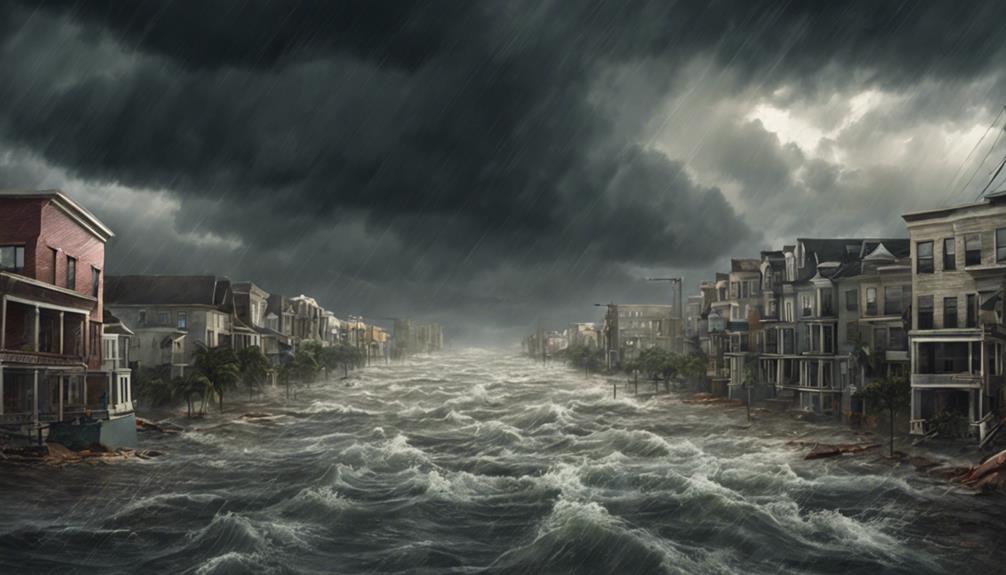
Coastal cities face increasing threats from climate change, including escalating sea levels, heightened storms, intrusion of saltwater, and erosion along the coast, collectively endangering their survival. Escalating sea levels and flooding pose significant risks to infrastructure and human settlements, while intensified storm severity and damage worsen the situation. Saltwater intrusion and water scarcity further jeopardize freshwater resources, and coastal erosion and land loss endanger territorial integrity. Displacement and migration patterns also arise as outcomes of these impacts. As the effects of climate change on coastal cities progress, grasping the intricacies of these issues is essential for developing effective adaptation strategies to lessen the harm.
Rising Sea Levels and Flooding
As the Earth's atmosphere continues to warm, melting glaciers and thermal expansion of seawater are causing sea levels to rise at a concerning rate, leading to more frequent and severe coastal flooding. This occurrence poses significant threats to coastal cities, where the effects of rising sea levels are already evident. In response, building resilience and developing effective adaptation strategies are crucial in mitigating the impacts of sea level rise.
Coastal cities must adopt proactive measures to protect their infrastructure, ecosystems, and communities from the harmful effects of flooding. This can be achieved through the implementation of innovative adaptation strategies, such as sea walls, levees, and flood-control gates. Moreover, cities can invest in natural barriers, like restoring wetlands and dunes, which can offer a natural defense against flooding.
Building resilience involves enhancing the capacity of coastal cities to respond to and recover from flooding events. This necessitates effective emergency preparedness, evacuation plans, and post-disaster response strategies. By taking a proactive approach to sea level rise, coastal cities can reduce the risks associated with flooding, protect their citizens, and secure a sustainable future. By integrating adaptation strategies into urban planning, cities can build resilience and adapt to the changing climate, safeguarding their livelihoods and economies in the end.
Increased Storm Intensity and Damage
As climate change continues to alter global weather patterns, coastal cities are increasingly vulnerable to intense storms that bring devastating consequences. The combination of rising sea levels, stronger wind speeds, and flooding of coastal areas worsens the damage caused by these storms, putting the lives and livelihoods of millions at risk. Grasping the interplay between these factors is essential for developing effective strategies to mitigate the impact of increased storm intensity and damage on coastal cities.
Rising Sea Levels
One of the most urgent outcomes of climate change is the expected 26-centimeter increase in global sea levels by 2050, which will significantly worsen storm intensity and damage in coastal cities. This rise in sea levels will result in accelerated beach erosion, endangering the very foundations of coastal development. As a consequence, infrastructure damage will occur more frequently and severely, placing a notable burden on local economies. The linked insurance costs will soar, posing a challenge for cities to recover from these occurrences.
Moreover, escalating sea levels will also cause saltwater intrusion into freshwater sources, polluting them and making them undrinkable. This will have catastrophic effects on human settlements, agriculture, and ecosystems. Additionally, the increased flooding will disrupt transportation systems, commerce, and daily life, leading to noteworthy socioeconomic impacts. It is crucial for coastal cities to develop and implement effective adaptation strategies to counteract the consequences of rising sea levels and guarantee the ongoing sustainability of these urban centers. By grasping the implications of sea level rise, we can strive towards creating more resilient and sustainable coastal communities.
Stronger Wind Speeds
Beyond the devastating impact of rising sea levels, climate change is projected to intensify storm systems, generating stronger gust speeds that will wreak havoc on coastal cities. As storms become more potent, the potential for catastrophic damage increases, putting the lives and livelihoods of coastal residents at risk. Nonetheless, this heightened wind energy potential can be utilized through technology advancements, such as advanced wind turbines, to generate clean and sustainable energy.
To mitigate the destructive impact of stronger gust speeds, it is essential to focus on structural resilience in coastal cities. This can be achieved by enforcing and upgrading building codes to guarantee that structures can withstand the increased wind loads. By doing so, cities can reduce the risk of damage and collapse, protecting both people and property. Moreover, incorporating wind-resistant design principles into urban planning can also help to minimize the impact of strong gusts, creating safer and more resilient coastal communities.
Flooding Coastal Areas
Two-thirds of the world's major urban areas, many of which are situated in low-lying coastal regions, are increasingly susceptible to severe flooding caused by the heightened storms and rising sea levels linked to climate change. As storms escalate, coastal urban centers confront catastrophic flooding that can paralyze their economies, displace inhabitants, and jeopardize critical infrastructure. The repercussions are extensive, with floodwaters contaminating freshwater sources, causing structural damage, and disrupting vital services.
To address these risks, cities must invest in flood mitigation strategies that bolster the resilience of their coastal infrastructure. This involves upgrading seawalls, levees, and other protective barriers to withstand more frequent and severe storms. Moreover, cities should implement flood-adaptation measures, such as raising buildings, establishing green spaces to absorb excess water, and establishing early warning systems to evacuate residents promptly. By taking proactive steps to fortify their coastal infrastructure and implement efficient flood mitigation strategies, cities can reduce the devastating impacts of climate-driven flooding and enhance the safety and well-being of their inhabitants.
Saltwater Intrusion and Water Scarcity
Rising sea levels and increased flooding events are allowing saltwater to infiltrate freshwater sources in coastal cities, worsening existing water scarcity issues. This saltwater intrusion impacts not just the quality of water but also has significant agricultural consequences. Freshwater sources, crucial for irrigation, are being contaminated, leading to decreased crop yields and reduced food security. Additionally, the deterioration of water quality poses a significant threat to human health, particularly in areas where access to clean drinking water is already limited.
The repercussions of saltwater intrusion are compounded by groundwater depletion. As freshwater sources diminish, cities increasingly depend on groundwater, which is often extracted at unsustainable rates. This results in infrastructure damage, as buildings and roads sink into the ground due to the lack of groundwater support. Moreover, the heightened pumping of groundwater accelerates land subsidence, making cities more susceptible to flooding. The interaction between saltwater intrusion and groundwater depletion creates a destructive cycle, where the very actions taken to address water scarcity ultimately worsen the issue. It is crucial for coastal cities to develop sustainable water management strategies that tackle these interconnected issues, ensuring a stable and dependable source of freshwater for their residents.
Coastal Erosion and Land Loss
As climate change continues to alter the planet, coastal cities face an unprecedented threat from coastal erosion and land loss. This phenomenon is primarily driven by rising sea levels, which accelerate the erosion of shorelines, leading to a devastating loss of landmass. The consequences of this process are far-reaching, with significant implications for urban planning, infrastructure, and the very existence of these cities.
Rising Sea Levels
One of the most urgent outcomes of climate change is the accelerated pace of sea level rise, which has devastating implications for coastal cities, including erosion of land and loss of territorial integrity.
Rising sea levels pose a significant threat to coastal infrastructure, as increased flooding and erosion can damage buildings, roads, and other critical infrastructure. Additionally, the loss of land and territorial integrity can lead to displacement of communities, loss of livelihoods, and cultural heritage.
Some of the key concerns related to rising sea levels include:
- Increased flooding and erosion of coastal infrastructure, leading to significant economic losses
- Displacement of communities and loss of cultural heritage, as coastal areas become uninhabitable
- Need for adaptation strategies, such as sea walls, levees, and relocation of coastal settlements, to mitigate the effects of rising sea levels
It is crucial to develop and implement effective adaptation strategies to protect coastal cities from the impacts of rising sea levels. This requires a thorough approach that involves governments, stakeholders, and local communities working together to develop sustainable solutions.
Eroding Shorelines Faster
Compounding the effects of rising sea levels, coastal erosion and land loss are accelerating at an alarming rate, threatening the very foundations of coastal cities. As the shoreline recedes, infrastructure, homes, and businesses are being destroyed, displacing communities and disrupting local economies.
| Erosion Solution | Description |
|---|---|
| Beach Nourishment | Pumping sand onto eroded beaches to restore them |
| Coastal Restoration | Restoring natural habitats, such as dunes and mangroves, to protect against erosion |
| Sea Walls | Building barriers to protect against waves and tides |
| Erosion-Resistant Construction | Designing buildings to withstand erosion and flooding |
| Community Engagement | Educating and involving local communities in erosion solutions |
Effective erosion solutions require a multifaceted approach, involving both hard engineering solutions, such as beach nourishment and sea walls, and soft solutions, like coastal restoration and community engagement. By adopting a combination of these strategies, coastal cities can mitigate the impacts of erosion and land loss, protecting the lives and livelihoods of those who call them home.
Loss of Landmass
Roughly 24,000 square miles of land have vanished globally since the 20th century, with coastal cities bearing the brunt of this catastrophic loss of landmass. The consequences of climate change are far-reaching, and the erosion of landmass is one of the most devastating effects. As sea levels rise, coastal cities are experiencing unprecedented levels of land loss, threatening the very existence of these urban centers.
Some of the key factors contributing to this loss of landmass include:
- Rising sea levels, which are causing coastal erosion and flooding
- Increased storm frequency and intensity, leading to more frequent and severe land loss events
- Human activities, such as coastal development and sand mining, which exacerbate erosion and reduce natural buffers against storms
To mitigate the effects of land loss, coastal cities must adopt proactive strategies, including erosion prevention measures and land reclamation efforts. By investing in sustainable infrastructure and adopting adaptive management practices, these cities can reduce the risk of land loss and protect the lives and livelihoods of their inhabitants.
Displacement and Migration Patterns
As climate change worsens coastal erosion, flooding, and saltwater intrusion, entire communities are compelled to relocate, sparking intricate displacement and migration patterns that redraw the social and economic fabric of affected cities. This phenomenon has significant implications for urban planning, infrastructure development, and social cohesion. Local governments are now faced with the challenge of addressing the immediate needs of displaced populations while also considering the long-term sustainability of their urban environments. Additionally, the effects of economic trends on communities can exacerbate existing inequalities, further complicating the integration of newcomers and the preservation of cultural identities. As municipalities adapt to these shifts, they must prioritize inclusive policies that foster resilience and promote equitable growth for all residents.
| Migration Trends | Displacement Impacts |
|---|---|
| Internal migration to inland cities | Loss of cultural heritage and community identity |
| International migration to other countries | Trauma and psychological distress among displaced individuals |
| Temporary relocation to temporary housing | Disruption of social networks and support systems |
| Permanent relocation to new cities | Economic instability and loss of livelihoods |
The displacement and migration patterns triggered by climate change require effective relocation strategies and community support mechanisms. This includes providing affordable housing, access to education and healthcare, and economic opportunities in relocation areas. Community support initiatives, such as counseling services and social programs, can help mitigate the displacement impacts and facilitate the integration of displaced communities into their new environments. By grasping the migration trends and displacement impacts, policymakers and urban planners can develop targeted interventions to support affected communities and ensure a more resilient and equitable urban future.
Economic Impacts on Local Businesses
Climate change-driven coastal erosion and flooding impose a devastating toll on local businesses, compelling many to cease operations, move, or significantly adjust to the new reality. The economic impacts of these events can be severe, resulting in substantial revenue losses, job insecurity, and a decrease in overall economic resilience.
- Rising sea levels and more frequent flooding disrupt supply chains, harming inventory and equipment, and leading to costly repairs and replacements.
- Coastal businesses, such as eateries, accommodations, and stores, witness a decrease in tourism and customer foot traffic, resulting in lower sales and revenue.
- The uncertainty and unpredictability of climate-related events make it difficult for businesses to invest in long-term planning, impeding their capacity to adapt and innovate in response to the changing environment.
In the midst of these challenges, business adaptation is vital for survival. Local businesses must devise strategies to improve their economic resilience, such as broadening their range of products and services, investing in flood-resistant infrastructure, and creating contingency plans for climate-related events. By doing so, they can lessen their vulnerability to climate change and sustain their competitiveness in the market. Ultimately, the capacity of local businesses to adapt and prosper in the face of climate change will be essential to the long-term economic well-being and prosperity of coastal cities.
Urban Planning and Infrastructure Challenges
Coastal cities must overhaul their urban planning strategies to accommodate the realities of climate change, as existing infrastructure is often ill-equipped to withstand the escalating frequency and severity of storms, sea level rise, and flooding. This requires a paradigm shift in infrastructure resilience and sustainable urban development. Cities must adopt climate-adaptive designs, incorporating green infrastructure, such as parks and green roofs, to mitigate the impacts of flooding and storm surges.
| Challenge | Impact | Solution |
|---|---|---|
| Inadequate drainage systems | Flooding and property damage | Implement green infrastructure, such as permeable pavements and green roofs |
| Outdated building codes | Inadequate protection from storms and sea level rise | Update building codes to incorporate climate-resilient design standards |
| Insufficient emergency preparedness | Humanitarian crises and displacement | Develop climate-adaptation plans, including evacuation routes and emergency shelters |
The table above highlights some of the key challenges facing coastal cities, their impacts, and potential solutions. By prioritizing infrastructure resilience and sustainable urban development, coastal communities can reduce their vulnerability to climate-related disasters. This requires a proactive and collaborative approach, involving stakeholders from government, private sector, and civil society. By working together, we can build climate-resilient cities that protect both people and the environment. Effective urban planning and infrastructure development are critical to ensuring the long-term viability and prosperity of coastal communities.
Frequently Asked Questions
How Can We Balance Climate Resilience With Urban Aesthetics in City Planning?
When designing urban spaces, balancing climate resilience with aesthetic appeal is essential. Green infrastructure, such as parks and green roofs, can mitigate the urban heat island effect whilst enhancing visual appeal. Sustainable architecture that incorporates coastal scenery can additionally provide natural buffers against extreme weather events. By integrating design aesthetics with functional solutions, cities can create resilient and visually striking environments that benefit both residents and the environment.
What Role Do Individual Actions Play in Mitigating Coastal City Climate Impacts?
Individual actions play a significant role in mitigating coastal city climate impacts. Community engagement and sustainable practices are pivotal in promoting environmental awareness and individual responsibility. By adopting simple habits, such as reducing plastic use, conserving energy, and supporting local initiatives, individuals can collectively make a substantial difference. This grassroots approach can inspire larger-scale change, encouraging policymakers to prioritize climate-resilient infrastructure and sustainable development.
Can Artificial Reefs or Seawalls Effectively Protect Coastal Cities From Erosion?
Artificial reefs and seawalls are often considered as solutions to protect coastal cities from erosion. Although they may offer temporary benefits, their long-term effectiveness is debatable. Artificial reefs can improve marine biodiversity, but may also disturb natural coastal processes. Seawalls, conversely, can speed up erosion elsewhere along the coast. Sustainable infrastructure and coastal engineering approaches that work in harmony with natural systems are likely to be more effective in mitigating erosion, whilst promoting coastal development that respects the environment.
How Do Climate Migrants From Coastal Cities Impact Inland Urban Resources?
As climate migrants flee coastal cities, inland urban resources face unprecedented strain. The influx of climate refugees requires significant adjustments to urban infrastructure, including housing, healthcare, and education systems. Inland migration puts pressure on resource allocation, potentially leading to shortages in vital services like water, energy, and food. Effective planning and resource management are pivotal to mitigate the impacts of climate-driven migration on inland cities, ensuring the well-being of both existing residents and climate refugees.
Are There Any Successful Climate-Resilient Coastal City Models to Replicate?
Successful climate-resilient coastal city models do exist, offering valuable lessons for replication. Particularly, cities like Rotterdam and Singapore have implemented sustainable infrastructure, such as sea walls and green roofs, to mitigate flood risks. Effective policy implementation and disaster preparedness strategies have played a crucial role in their success. Additionally, community engagement and participatory planning have nurtured a sense of ownership and cooperation, ensuring that residents are invested in their city's resilience.

Related Posts
Why Understanding the Context Matters in Today’s News

The Power of Curiosity in Uncovering Hidden Stories