Analyzing the Impact of Recent Immigration Policies
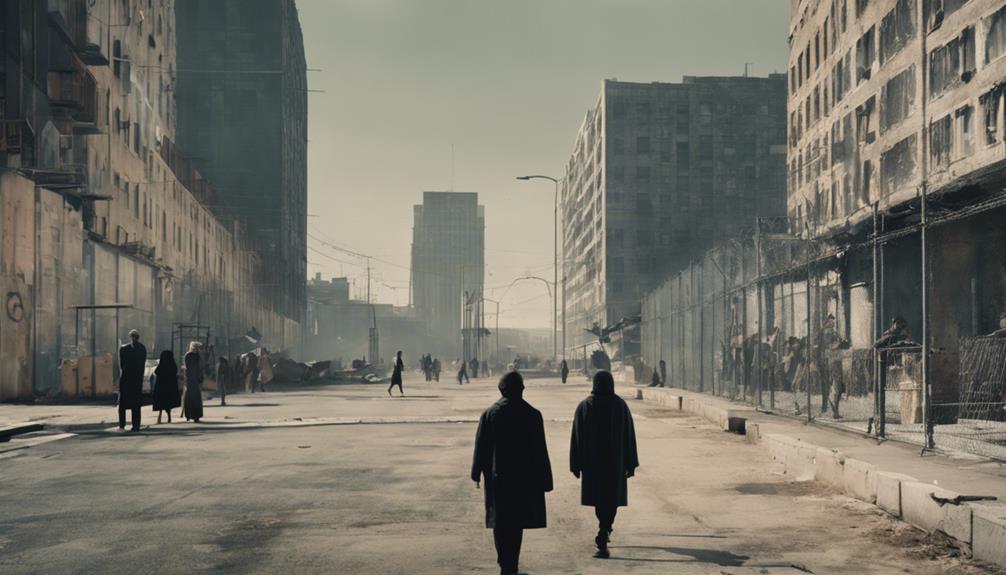
Recent immigration policies have significantly reshaped the social, economic, and demographic terrains of countries worldwide, sparking heated debates. Economically, these policies have impacted labor markets, GDP growth, and fiscal health, whilst also influencing demographic trends and cultural diversity. The humanitarian consequences at the border have been severe, with overcrowding, family separations, and limited access to necessities. Labor markets and jobs have been affected, and social integration and community dynamics have been reshaped. As the intricacies of these policies continue to unfold, a detailed understanding of their multifaceted impacts is essential for informed decision-making. Further examination reveals the intricate web of consequences.
Economic Ramifications of Policy Shifts
Analyzing the Impact of Recent Immigration Policies
Economic Ramifications of Policy Shifts
Shifts in immigration policies have triggered a ripple effect on the economy, with far-reaching consequences for labor markets, GDP growth, and fiscal health. One of the most significant impacts is the worsening of wage disparities. The influx of immigrant workers, often willing to accept lower salaries, can lead to downward pressure on wages for native-born workers, especially in low-skilled occupations. This can perpetuate income inequality, impeding economic growth and social mobility.
Moreover, alterations in immigration policies can result in job displacement, particularly in industries that heavily depend on immigrant labor. Restrictive policies can cause labor shortages, compelling businesses to adapt by automating processes or relocating operations. This can have a cascading effect throughout the workforce, leading to changes in workforce dynamics. Conversely, policies that promote the integration of immigrant workers can result in increased economic growth, as their skills and entrepreneurial spirit contribute to the economy.
Understanding the economic implications of immigration policies is essential for policymakers seeking to balance economic growth with social welfare. By recognizing the intricate interplay between immigration, labor markets, and economic growth, policymakers can devise policies that promote sustainable economic development while minimizing adverse effects. By doing so, they can create an environment that nurtures economic growth, social cohesion, and prosperity for all.
Humanitarian Consequences at the Border
As the US-Mexico border has become a flashpoint for immigration policy, a humanitarian crisis has unfolded, marked by overcrowding, family separations, and inadequate access to basic necessities like food, water, and medical care. The situation has sparked widespread concern, with many arguing that the policies in place are exacerbating the refugee crisis rather than addressing its root causes.
| Consequence | Description | Impact |
|---|---|---|
| Overcrowding | Detention centers are operating at maximum capacity, leading to unsanitary conditions and increased risk of disease outbreaks. | Asylum seekers are forced to endure inhumane conditions, further traumatizing those who have already experienced significant hardship. |
| Family Separations | Children are being separated from their families, often without adequate provisions for their care or reunification. | Long-term psychological trauma and emotional distress for both children and parents, in addition to increased vulnerability to exploitation. |
| Inadequate Access to Basic Necessities | Limited access to food, water, and medical care is leading to preventable health issues and even deaths. | Asylum seekers are being denied their fundamental human rights, undermining the principles of border security and humanitarian law. |
The humanitarian consequences of recent immigration policies are far-reaching and devastating. As the situation continues to unfold, it is crucial that policymakers prioritize a humanitarian approach, addressing the needs of asylum seekers and refugees, as well as ensuring the safety and security of the border. By doing so, we can work toward a more compassionate and effective solution to this crisis.
Impact on Demographic Trends
Beyond the humanitarian crisis, recent immigration policies have had a profound impact on demographic trends in the United States, influencing the distribution of age, race, and ethnicity across the country. The implementation of stricter immigration laws and regulations has led to significant changes in population distribution, cultural shifts, and demographic makeup.
Some of the notable effects on demographic trends include:
- Shifts in population distribution: Changes in immigration policies have led to a decline in immigration rates, resulting in slower population growth in certain regions, particularly in rural areas.
- Cultural shifts: The decrease in immigration has also led to a decrease in cultural diversity, as fewer individuals from diverse backgrounds are entering the country.
- Changes in age distribution: Stricter immigration laws have resulted in a decrease in the number of working-age individuals entering the country, leading to an aging population.
- Ethnic and racial demographic changes: The decline in immigration from certain regions has led to changes in the ethnic and racial demographics of the US population, with some groups experiencing slower growth or decline.
These changes have significant implications for the social, economic, and cultural fabric of the United States. As the demographic makeup of the country continues to evolve, it is crucial to understand the impact of recent immigration policies on demographic trends and to delve into the long-term consequences of these changes. Furthermore, the intersection of immigration and environmental issues cannot be overlooked, as recent environmental policy implications highlight the relationship between population growth and resource management. These policies may influence where individuals choose to settle, ultimately affecting urban planning and sustainability efforts across the nation. As diverse communities emerge, fostering a sense of inclusion and adaptability in policy-making will be essential to navigate the complexities of these demographic shifts.
Effects on Labor Markets and Jobs
The United States' labor markets and job sectors have been substantially reshaped by recent immigration policies, leading to a complex interplay of benefits and drawbacks. On one hand, the influx of immigrant workers has contributed to wage competition, potentially driving down wages for native-born workers and leading to job displacement in certain industries. This is particularly true in sectors where immigrant workers are more likely to accept lower wages or work longer hours, such as in agriculture, construction, and service industries.
On the other hand, immigration has also helped to address labor shortages in key sectors such as technology, healthcare, and education, where there is a high demand for skilled workers. Yet, a skills mismatch remains a significant issue, as many immigrant workers lack the necessary qualifications or experience to fill these high-skilled jobs. This has led to a brain drain, where highly educated immigrant workers are unable to find employment commensurate with their skills, resulting in a waste of human capital.
Furthermore, the current immigration policies have also led to a shift in the composition of the workforce, with more workers entering the labor market through temporary or guest worker programs. This has created a transient workforce, with workers often lacking job security, benefits, or opportunities for career advancement. Overall, the effects of recent immigration policies on labor markets and jobs are multifaceted, requiring a nuanced insight into the complex interactions between immigrant workers, native-born workers, and the broader economy.
Social Integration and Community Dynamics
Recent immigration policies have significantly impacted the social fabric of American communities, resulting in varied outcomes concerning social integration and community dynamics. The ability of immigrants to integrate into their new communities has been influenced by these policies, leading to diverse consequences.
On one side, some policies have facilitated cultural assimilation, enabling immigrants to adapt to American customs and values. This has nurtured positive neighborhood relations, with immigrants becoming active participants in their local communities. Conversely, restrictive policies have led to social isolation, making it challenging for immigrants to integrate into their new surroundings.
Some key aspects of social integration and community dynamics affected by recent immigration policies include:
- Language barriers: Limited English proficiency has hindered immigrants' ability to interact with their native-born counterparts, leading to social segregation.
- Access to social services: Restrictions on immigrants' access to healthcare, education, and other vital services have exacerbated social exclusion.
- Community engagement: Policies promoting community involvement have encouraged immigrants to participate in local initiatives, enhancing neighborhood relations.
- Cultural diversity: The influx of immigrants has enriched cultural variety, contributing to the vibrancy of American communities.
Understanding the impact of recent immigration policies on social integration and community dynamics is essential for developing effective strategies that promote healthy community relationships and nurture a sense of belonging among immigrants.
Frequently Asked Questions
How Do Recent Policies Affect the Mental Health of Immigrant Children?
Picture a delicate flower, once blooming with promise, now wilting under the weight of uncertainty. For immigrant children, the soil of their young minds is often tainted by the toxins of trauma, threatening to stifle their growth. Recent policies can trigger a trauma response, underscoring the need for accessible counseling services, school support, and community resources. By nurturing these crucial connections, we can help immigrant children regain their footing, allowing them to flourish once more.
Can Immigrants Still Apply for Asylum at US Ports of Entry?
Despite legal challenges, immigrants can still apply for asylum at US ports of entry. Nevertheless, the asylum process has become increasingly complex and restrictive. The humanitarian crisis at the border has led to concerns about border security, resulting in stricter regulations. Asylum seekers must now navigate a more arduous process, often facing lengthy detention periods and uncertain outcomes.
Are There Alternatives to Detention Centers for Immigrant Families?
Alternatives to detention centers for immigrant families exist, prioritizing community support and family reunification. One approach is the 'Alternative to Detention' program, which provides case management and supervision during families reside in the community. Another option is the 'Family Case Management Program,' offering support services to facilitate family reunification. These alternatives focus on humanitarian care, ensuring the well-being and dignity of immigrant families during their cases are processed.
Do Immigration Policies Influence Voter Turnout in Local Elections?
The relationship between immigration policies and voter turnout in local elections is an important aspect of civic participation. Research suggests that restrictive policies can lead to decreased voter engagement among immigrant communities, as feelings of uncertainty and fear may discourage civic participation. Conversely, inclusive policies can nurture a sense of belonging, increasing community impact and encouraging voter turnout. Grasping policy effects on voter engagement is vital to promoting healthy democracy and community development.
Can Undocumented Immigrants Obtain Driver's Licenses in the Us?
In the United States, the ability of undocumented immigrants to obtain driver's licenses varies by state. Some states grant license eligibility to undocumented individuals, others impose stricter regulations. Currently, 13 states and the District of Columbia permit undocumented immigrants to obtain driver's licenses, citing improved road safety and heightened national security. State regulations governing license eligibility differ, with some requiring proof of identity and residency, others mandate background checks.

Related Posts
Why Understanding the Context Matters in Today’s News

The Power of Curiosity in Uncovering Hidden Stories