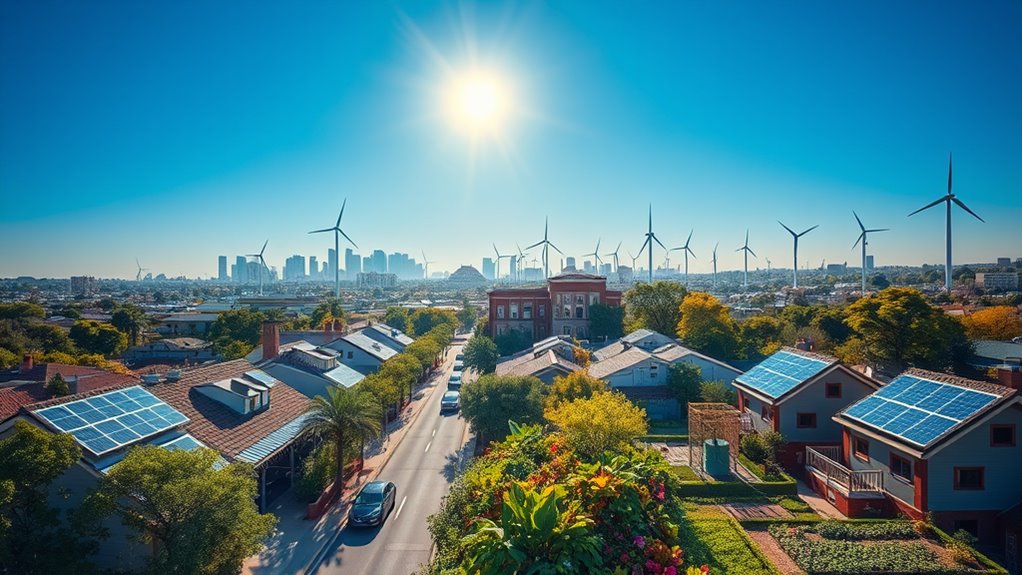
The Global Impact of Shifts in Energy Policies
Changes in global energy policies are greatly influencing economies, environmental strategies, and international relations. As nations prioritize renewable resources, the market for clean energy is broadening, spurring investment and innovation. These alterations are reshaping the fossil fuel industry, leading to job displacements and necessitating workforce changes. Trade dynamics are likewise impacted, with regulatory shifts affecting access and tariffs. Furthermore, technological advancements improve energy efficiency and integration of renewables, whereas geopolitical factors complicate international energy security. Grasping the broader implications of these changes reveals their potential to reshape our future, along with emerging trends and collaborative global efforts.
Overview of Energy Policy Changes
Evolving in response to environmental concerns and economic demands, energy policies worldwide have undergone significant alterations over the past decade. The shift in the direction of sustainable energy sources has led to the development of robust energy policy frameworks that prioritize renewable resources, improve energy efficiency, and promote technological innovation. Governments are increasingly recognizing the importance of regulatory compliance as a means to guarantee that energy systems are not just sustainable but also resilient in the face of climate change.
One of the most notable changes in energy policy has been the integration of carbon pricing mechanisms, which aim to internalize the environmental costs associated with fossil fuel consumption. These frameworks encourage market participants to innovate and invest in cleaner alternatives, ultimately cultivating a competitive energy environment that benefits consumers. Furthermore, many nations have adopted ambitious targets for reducing greenhouse gas emissions, compelling industries to align with these goals through stricter compliance measures.
Moreover, the push for decentralized energy systems has gained momentum, with policies facilitating the growth of community-based renewable energy projects. This decentralization empowers individuals and local entities, promoting energy independence and resilience. As countries navigate the intricacies of moving to a low-carbon economy, the importance of transparent and adaptable energy policy frameworks becomes increasingly clear. By prioritizing regulatory compliance, governments can guarantee that energy shifts are both equitable and effective, paving the way for a sustainable future that honors individual freedoms while addressing pressing global challenges.
Drivers of Policy Shifts
Frequently, the drivers of policy shifts in energy are influenced by a combination of technological advancements, public opinion, economic factors, and international agreements. As societies evolve, the demand for social equity becomes increasingly prominent, shaping public perception around energy policies. Citizens are advocating for more inclusive energy solutions, which necessitates a reassessment of existing regulatory frameworks to guarantee equitable access to energy resources.
Technological advancements play a pivotal role by providing innovative solutions that can address both environmental concerns and economic incentives. The emergence of renewable energy technologies has created opportunities for cost-effective alternatives to fossil fuels, prompting policymakers to examine these options. Moreover, heightened climate commitments stemming from international agreements compel nations to reevaluate their energy strategies, aiming to meet global targets during maintaining economic stability.
Economic factors, including fluctuating energy prices and the need for energy security, further influence policy shifts. Geopolitical tensions can disrupt traditional energy supply routes, leading countries to seek greater energy independence through diversification of sources. Consumer behavior is also a critical element; as individuals become more environmentally conscious, their preferences can drive changes in market demand and consequently influence policy decisions.
Finally, achieving policy coherence is crucial for effective implementation of energy strategies. Policymakers must guarantee that various regulations and initiatives align to create a unified approach, thereby nurturing a sustainable energy environment that balances economic growth, environmental stewardship, and social equity.
Impact on Renewable Energy Markets
The global shift in the direction of sustainable energy policies has catalyzed significant growth in renewable energy markets. As governments implement favorable regulations and incentives, investment opportunities are broadening, attracting both domestic and international stakeholders. This evolving environment not just encourages innovation but furthermore positions renewable energy as a cornerstone of future economic development.
Market Growth Trends
As countries worldwide prioritize sustainable development, the renewable energy market is witnessing unprecedented growth. This expansion can be attributed to evolving consumer preferences, which favor cleaner and more sustainable energy sources. Market segmentation has become increasingly essential, allowing companies to tailor their offerings to diverse consumer needs and regional demands.
Regulatory frameworks are additionally evolving, with governments implementing policies that promote renewable energy adoption, creating favorable investment climates. Technological advancements in energy storage and generation have further improved the competitive environment, enabling more efficient and cost-effective solutions. Pricing strategies have adapted accordingly, making renewable energy sources more accessible and appealing to both consumers and businesses.
Additionally, thorough policy frameworks facilitate market integration, allowing for a smoother shift from traditional energy sources to renewables. This integration is critical for utilizing the full potential of renewable energy and ensuring a resilient energy supply. As these trends continue to unfold, the renewable energy market is positioned not just to flourish but also to contribute greatly to global sustainability goals, empowering individuals and communities in their pursuit of freedom from fossil fuel dependency.
Investment Opportunities Rising
In light of the accelerating shift in the direction of renewable energy, investment opportunities are emerging across various sectors, attracting both institutional and individual investors. The rise of green financing initiatives and policy incentives has created fertile ground for energy startups and sustainable investments. Venture capital is increasingly directed toward clean technology ventures, enabling innovative solutions to flourish.
Investors are likewise drawn to impact investing strategies that focus on generating positive environmental outcomes, such as carbon credits and infrastructure development. This multifaceted approach not only addresses climate challenges but also improves market accessibility for diverse stakeholders.
| Investment Area | Description |
|---|---|
| Green Financing | Funding initiatives supporting renewable projects |
| Energy Startups | New companies innovating in clean energy solutions |
| Sustainable Investments | Long-term investments focused on ecological benefits |
| Impact Investing | Investments aimed at generating measurable social impact |
| Carbon Credits | Tradeable permits allowing emission reductions |
As the global energy terrain evolves, those who seize these burgeoning investment opportunities will not only contribute to a sustainable future but also enjoy the financial freedom that accompanies proactive engagement in the renewable energy market.
Effects on Fossil Fuel Industries
The implementation of stringent energy policies has introduced significant market volatility and uncertainty within fossil fuel industries. As demand for cleaner energy sources rises, many companies face challenges that lead to job losses and necessitate changes for their workforce. This shift not just impacts the economic environment but additionally raises important questions about the future sustainability of fossil fuel sectors.
Market Volatility and Uncertainty
How do fluctuations in energy policy and market dynamics influence the stability of fossil fuel industries? The interplay of energy price fluctuations and shifting regulatory frameworks creates an environment rife with uncertainty, compelling companies to adopt robust policy risk management strategies. Investor sentiment shifts can dramatically alter capital flows, as stakeholders react to market reaction patterns influenced by geopolitical risk assessment and speculative trading dynamics.
Fossil fuel industries face regulatory compliance challenges that can exacerbate economic instability impacts, further complicating their operational environment. As governments shift towards renewable energy initiatives, the traditional fossil fuel sector encounters increased volatility stemming from fluctuating demand and supply dynamics. This unpredictability can lead to substantial financial risks, prompting industry players to reassess their investment strategies and operational practices.
In this turbulent context, the ability to navigate market volatility is critical. Companies that effectively manage their response to energy policy changes can mitigate risks and seize emerging opportunities, nurturing a more resilient and adaptable industry. In the end, the ongoing evolution of energy policies will continue to shape the trajectory of fossil fuel industries, demanding a nuanced comprehension of market dynamics and strategic foresight.
Job Losses and Transitions
As energy policies evolve, fossil fuel industries are increasingly grappling with the fallout of job losses and changes. The shift toward renewable energy sources has led to significant economic displacement challenges, affecting communities that have long relied on fossil fuel employment. To address these issues, a holistic approach incorporating workforce adaptation strategies and industry diversification efforts is crucial.
| Challenge | Solution | Impact |
|---|---|---|
| Job Losses | Job retraining programs | Improved employability |
| Economic Displacement | Affected communities support | Enhanced community resilience |
| Skill Gaps | Skill development initiatives | Increased workforce readiness |
| Labor Market Shifts | Employment transition pathways | Smooth shift to green jobs |
Social safety nets are critical to support those impacted during this shift. As fossil fuel jobs diminish, green job creation can provide new opportunities, but it requires commitment from governments and private sectors alike. By investing in these strategies, we can forge a path toward a sustainable future, empowering individuals and communities to thrive amidst these labor market shifts.
Global Trade Dynamics
Energy policies greatly influence global trade dynamics, shaping the flow of goods, services, and investments across borders. As nations pursue energy independence and sustainability, the restructuring of trade agreements becomes vital. Policymakers must navigate energy tariffs and their impacts on import dependency, ensuring that domestic markets remain competitive during nurturing economic partnerships.
The evolution of energy policies can lead to significant changes in supply chains, as countries realign their import and export strategies to comply with new regulations. Regulatory harmonization is fundamental for facilitating market access, allowing businesses to operate seamlessly across jurisdictions. Nations that adopt forward-thinking energy policies may gain a competitive advantage, attracting foreign investments and strengthening their export capabilities.
Conversely, stringent energy tariffs can hinder trade, creating barriers that stifle innovation and economic growth. As countries grapple with the implications of these tariffs, the importance of collaborative approaches becomes evident. Establishing robust economic partnerships and negotiating favorable trade agreements can mitigate tariff impacts, ensuring that nations can navigate the intricacies of global trade.
In this constantly changing environment, the ability to adapt to shifts in energy policies is vital for maintaining a thriving international trade ecosystem. By prioritizing regulatory harmonization and nurturing strategic alliances, countries can improve their resilience against market fluctuations and capitalize on emerging opportunities. In the end, a free and open trading environment will empower nations to utilize the full potential of their energy resources, driving sustainable growth and prosperity on a global scale.
Energy Security Concerns
Energy security concerns are increasingly shaped by geopolitical dynamics, as nations vie for control over critical resources amid shifting alliances. The shift to renewable energy sources introduces new risks, including potential disruptions in technology and supply chains that can affect global stability. As a result, comprehending these interconnected challenges is vital for formulating robust energy policies that guarantee both security and sustainability.
Geopolitical Implications of Energy
The intricate terrain of global energy politics exemplifies the profound interconnection between energy resources and national security. As nations vie for energy independence, geopolitical rivalries often escalate, leading to a complex web of energy alliances and dependencies. Resource nationalism emerges as countries seek to control their strategic resources, impacting international negotiations and shaping energy diplomacy.
In this context, energy security concerns are crucial, as states leverage energy sanctions to exert influence or retaliate against rivals. Climate politics adds another layer of complexity; nations must balance their energy needs with environmental commitments, often sparking regional conflicts over access to crucial resources.
The pursuit of energy independence drives countries to diversify their energy portfolios, leading to both collaboration and competition. These dynamics not merely shape the energy environment but additionally redefine influence relations on a global scale. The ongoing shifts in energy policies create a volatile situation where the stakes are high, and the implications extend beyond national borders, influencing global stability and security. Comprehending these geopolitical implications is fundamental for maneuvering the challenges of an interconnected world and advocating for a more equitable energy future.
Renewable Energy Transition Risks
Steering the change to renewable energy presents substantial risks that can impact energy security for nations worldwide. As countries evolve, they must employ robust policy adaptation strategies to mitigate potential vulnerabilities. Effective risk management frameworks are fundamental, allowing governments to anticipate challenges related to regulatory compliance and financial stability.
Stakeholder engagement practices play a significant role in nurturing public support, as public perception dynamics can greatly influence the success of energy policies. Furthermore, energy equity considerations must be incorporated to guarantee that the change does not disproportionately affect marginalized communities.
Change financing mechanisms are essential for securing the necessary capital to support renewable projects, which can often be subject to financial risk assessments owing to market volatility. The potential for technological disruption impacts must likewise be acknowledged, as innovations may outpace existing infrastructure and regulatory frameworks.
Finally, developing market resilience strategies will be critical for maintaining energy security in the face of these challenges. By addressing these risks thoroughly, nations can navigate the intricacies of renewable energy changes while upholding the principles of freedom and equity in their energy systems.
Supply Chain Vulnerabilities
Supply chain vulnerabilities pose significant threats to energy security as nations increasingly rely on complex global networks for the procurement of vital resources and technologies. The interdependence of countries in energy supply chains can lead to disruptions, which may jeopardize national interests and economic stability. To address these vulnerabilities, it is imperative for governments and organizations to implement robust energy resilience strategies and focus on supply chain optimization.
Key factors contributing to supply chain vulnerabilities include:
- Geopolitical tensions: Disputes can disrupt access to energy resources and limit supply routes.
- Natural disasters: Environmental factors can damage infrastructure, leading to delays and shortages.
- Technological dependencies: Reliance on specific technologies may create bottlenecks if production is hampered or innovation stalls.
- Market fluctuations: Price volatility can impact investment and lead to unpredictable supply conditions.
Environmental Sustainability Outcomes
Amidst the growing urgency for effective energy policies, the focus on environmental sustainability outcomes has gained paramount importance. As nations endeavor for carbon neutrality strategies, the integration of sustainable development policies into energy frameworks is crucial to promote a resilient and equitable future. By prioritizing ecosystem restoration initiatives, we can improve the natural balance that energy consumption often disrupts.
The shift towards a circular economy necessitates implementing climate action frameworks that encourage the responsible use of resources and minimize waste. In this scenario, green technology advancements play a pivotal role in promoting energy efficiency improvements, enabling societies to reduce their carbon footprints during economic growth. Additionally, waste reduction measures are critical in ensuring that resources are utilized to their fullest potential, effectively closing the loop on production cycles.
Biodiversity conservation efforts are equally crucial, as they protect the ecosystems that support life on Earth. Through inclusive energy policies that recognize the importance of environmental justice movements, marginalized communities can secure access to clean energy sources, thereby cultivating a more equitable distribution of resources.
The successful implementation of these strategies contributes to environmental sustainability and empowers individuals and communities to embrace freedom through self-sufficiency and resilience. By aligning energy policies with these outcomes, we can collectively work towards a sustainable world that respects both human rights and the planet's ecological integrity, ensuring a legacy of harmony for generations to come.
Technological Innovations in Energy
Technological innovations in energy are revolutionizing the way we generate, consume, and manage energy resources, leading to more sustainable practices worldwide. As society grapples with the urgent need to address climate change, these advancements not merely improve energy efficiency but likewise empower individuals and communities to take control of their energy usage.
Key innovations shaping the energy terrain include:
- Smart grids: Enhancing the reliability and efficiency of energy distribution through real-time monitoring and management systems.
- Energy storage: Facilitating the integration of renewable sources by storing excess energy for use during peak demand periods.
- Hydrogen fuel: Offering a clean alternative for transportation and industry, contributing to a reduction in carbon emissions.
- Blockchain applications: Enabling decentralized energy transactions, promoting transparency, and reducing costs.
Furthermore, the development of electric vehicles (EVs) is transforming personal transportation, whereas demand response systems are optimizing energy consumption patterns. Microgrid development allows for localized energy management, increasing resilience against outages. Carbon capture technologies are pivotal in mitigating emissions from fossil fuel use, thereby supporting climate change adaptation strategies.
These innovations not merely promote energy independence but likewise drive economic opportunities and social equity. As we embrace these technologies, the path to a more sustainable energy future becomes clearer, granting individuals the freedom to choose cleaner, more efficient energy solutions that align with their values and aspirations.
International Relations and Diplomacy
The interplay of international relations and diplomacy is increasingly influenced by energy policies, as nations seek to navigate the intricacies of global energy demands and climate commitments. Energy diplomacy has emerged as a significant arena for diplomatic negotiations, where countries engage in the formation of energy alliances to enhance their energy security and economic prosperity. As governments recognize the importance of policy harmonization to address climate change, international treaties and climate agreements become vital frameworks through which cooperation is encouraged.
Geopolitical strategies are often intertwined with energy policies, as nations leverage their natural resources to cultivate influence and forge alliances. This dynamic has led to a rise in multilateral cooperation, where countries collaborate on sustainable energy initiatives, share technological innovations, and coordinate efforts to meet emissions targets. The quest for energy independence and security has prompted nations to reassess their foreign policies, often resulting in strategic partnerships that transcend traditional geopolitical boundaries.
As energy policies evolve, the environment of international relations is reshaped. Countries are increasingly aware that their energy choices can have far-reaching implications on global stability and environmental sustainability. Consequently, maintaining open lines of communication and engaging in constructive diplomatic dialogues are vital for encouraging a collaborative international environment. In this situation, energy diplomacy not only addresses immediate energy concerns but is also a platform for broader discussions on global governance, human rights, and the pursuit of freedom in a swiftly changing world.
Future Trends and Predictions
As nations increasingly recognize the interconnectedness of energy policies and international relations, future trends in energy governance are poised to evolve markedly. The drive toward sustainable energy solutions will shape legislative frameworks and encourage global cooperation. As stakeholders prioritize climate commitments, a more integrated approach to energy management is emerging.
Key trends likely to influence the future environment include:
- Energy Efficiency: Emphasizing improvements in energy consumption practices can lead to significant reductions in greenhouse gas emissions.
- Carbon Pricing: Implementing carbon pricing mechanisms will incentivize industries to lower their carbon footprints, promoting a market-driven approach to environmental responsibility.
- Energy Storage: Advances in energy storage technologies will enable a more reliable integration of renewable energy sources, thereby enhancing grid stability.
- Electric Mobility: The shift to electric vehicles will reshape urban infrastructure and reduce reliance on fossil fuels, contributing to cleaner air and lower emissions.
As public awareness around climate issues grows, the demand for policy harmonization across borders will intensify. This necessitates active engagement in market regulation to guarantee fair competition and promote innovative solutions. The interconnectedness of these elements underscores the importance of global cooperation in addressing the multifaceted challenges posed by climate change. In the end, the future of energy governance hinges on the ability of nations to collaborate effectively during respect for individual freedoms and aspirations for sustainable development.
Frequently Asked Questions
How Do Energy Policy Shifts Affect Local Economies and Job Markets?
Energy policy shifts greatly influence local economies and job markets by driving local job creation in renewable energy sectors. Nevertheless, these changes often present energy transformation challenges that necessitate workforce retraining programs to equip displaced workers with new skills. Effective economic resilience strategies and community engagement initiatives can promote investment opportunities and facilitate economic diversification efforts, finally enhancing the local environment and paving the way for a sustainable future through renewable energy jobs.
What Role Do Consumers Play in Shaping Energy Policy Changes?
Consumers wield extraordinary influence in shaping energy policy changes, reminiscent of a tidal wave crashing upon the shores of established norms. Through consumer advocacy, heightened energy literacy, and grassroots movements, individuals engage in policy discussions and influence market demand. As preferences shift in the direction of renewable energy, consumers become catalysts for transformation, driving policymakers to adopt sustainable practices. Their active participation in policy engagement not merely reflects a desire for freedom but additionally promotes a sustainable future for all.
How Can Individuals Contribute to Sustainable Energy Practices?
Individuals can considerably contribute to sustainable energy practices through active engagement in community initiatives that promote energy conservation and renewable technologies. By embracing personal responsibility, individuals can adopt sustainable habits such as reducing energy consumption and supporting local green projects. Furthermore, advocacy efforts aimed at influencing policy and encouraging others to follow suit can amplify their impact, nurturing a collective commitment to a sustainable future that respects individual freedoms during the promotion of environmental stewardship.
What Are the Implications for Energy Access in Developing Countries?
The implications for energy access in developing countries are profound. Achieving energy equity necessitates significant renewable investments and innovative policies that cultivate technological advancements. Infrastructure development is essential to guarantee reliable energy distribution, as well as capacity building empowers local communities to manage and maintain these systems effectively. By prioritizing these elements, developing nations can improve energy access, reduce inequalities, and promote sustainable growth, thereby granting individuals the freedom to thrive in an increasingly energy-dependent world.
How Do Shifts in Energy Policy Influence Public Opinion on Climate Change?
A recent survey revealed that 70% of individuals believe government transparency in energy policy greatly affects public perception of climate change. Shifts in energy policy can improve climate awareness by promoting open dialogue and encouraging scientific communication. Furthermore, media influence plays an essential role in shaping narratives, as grassroots movements often mobilize communities for sustainable practices. In the end, informed and engaged citizens can drive demand for responsible energy policies that align with their values of freedom and sustainability.

Related Posts

Why Understanding the Context Matters in Today’s News

The Power of Curiosity in Uncovering Hidden Stories