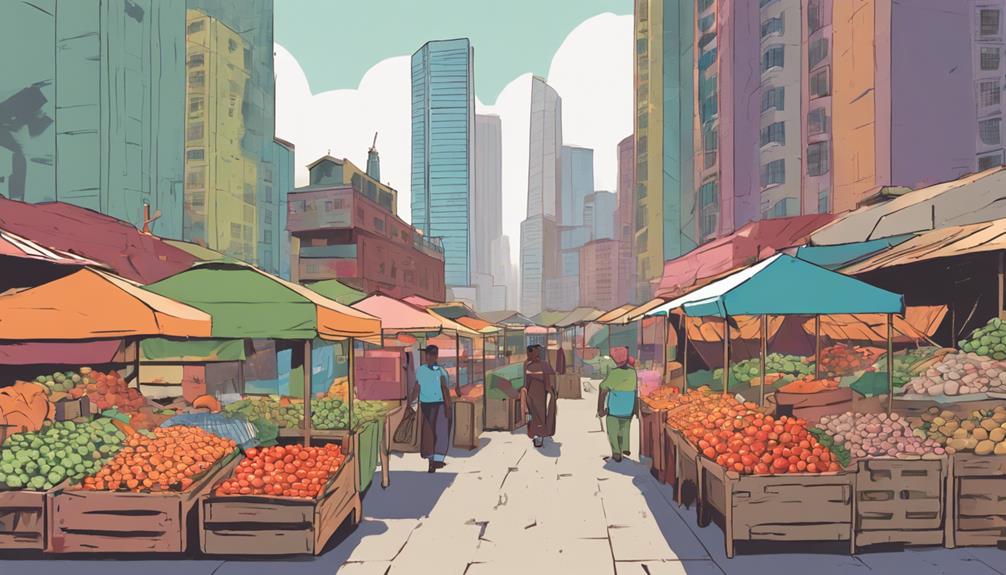
The Influence of Globalization on Local Economies
Globalization's far-reaching consequences have profoundly reshaped the terrain of local economies, often to the detriment of traditional industries, cultural identities, and community character. Multinational corporations have displaced local businesses, prioritizing low-cost labor markets and eroding unique cultural identities. The rise of e-commerce and digital payments has further accelerated the shift away from traditional local economies. To mitigate these effects, strategies such as preserving local traditions, supporting local businesses, and promoting cultural education are vital. As the global economy continues to evolve, understanding the intricacies of globalization's influence is pivotal for preserving the distinct character of local economies – and there is still much more to explore.
Globalization's Impact on Local Jobs
Globalization's Impact on Local Jobs
Often, the influx of multinational corporations into local markets has led to the displacement of traditional employment opportunities, as globalization's reach increasingly supplants domestic industries. This phenomenon has significant implications for local job markets, often resulting in wage disparity and job outsourcing. As multinational corporations seek to maximize profits, they often prioritize low-cost labor markets, leaving local workers to compete with cheaper alternatives. This can lead to a decline in local employment opportunities, exacerbating wage disparities between local and foreign workers.
To mitigate the negative impacts of globalization on local jobs, it is crucial to invest in skills training and workforce development initiatives. By upskilling and reskilling local workers, they can adapt to the changing job market and remain competitive in the face of globalization. Governments and private organizations can collaborate to provide training programs that equip workers with in-demand skills, enabling them to shift into emerging industries. Additionally, investing in workforce development can help create new job opportunities in high-growth sectors, reducing reliance on traditional industries and promoting economic diversification. By adopting a proactive approach to skills training and workforce development, local economies can better navigate the challenges posed by globalization and create a more resilient and adaptable workforce.
Cultural Homogenization and Its Effects
As multinational corporations increasingly dominate local markets, the unique cultural identities of communities are being eroded, giving rise to a phenomenon known as cultural homogenization. This process threatens to replace local customs, traditions, and values with standardized, globalized ones. The consequences of cultural homogenization are far-reaching, with local communities losing their distinct character and sense of identity.
To mitigate the effects of cultural homogenization, it is essential to prioritize cultural preservation and economic variation. This can be achieved through:
- Preserving local traditions: Efforts to document, protect, and promote local cultural practices, such as traditional music, dance, and art, can help maintain community identity.
- Supporting local businesses: Encouraging entrepreneurship and bolstering local businesses can help diversify the economy and reduce dependence on multinational corporations.
- Promoting cultural education: Educational programs that focus on local history, language, and customs can help preserve cultural heritage and nurture identity preservation.
The challenges posed by globalization make it essential for local communities to take proactive steps to preserve their cultural identities. By adopting strategies that promote cultural preservation and economic variation, communities can resist the homogenizing effects of globalization and maintain their unique character. This, in turn, can lead to a more diverse and resilient local economy.
The Rise of Multinational Corporations
The proliferation of multinational corporations has been a defining feature of the globalization era, with these behemoths increasingly dominating local markets and reshaping the economic terrain. The rise of multinational corporations has led to corporate dominance, where a small number of large corporations exert significant control over entire industries, stifling local competition and limiting opportunities for small and medium-sized enterprises. This concentration of market control has significant economic implications, as it can lead to higher prices, reduced innovation, and decreased consumer choice.
Furthermore, the dominance of multinational corporations can lead to the displacement of local businesses, as they struggle to compete with the economies of scale and resources of their larger counterparts. This can have devastating effects on local economies, as the profits generated by multinational corporations are often repatriated to their parent companies, rather than being reinvested in the local community. As a result, local economies may experience a decline in economic activity, reduced tax revenues, and a decrease in the overall standard of living. It is crucial to recognize the impact of multinational corporations on local economies and to develop strategies that promote fair competition, support local businesses, and guarantee that the benefits of globalization are shared equitably.
Shift in Consumer Spending Habits
Consumers are increasingly prioritizing convenience, affordability, and online shopping experiences, leading to a seismic shift in their spending habits. This shift has significant implications for local economies, as traditional brick-and-mortar businesses struggle to compete with online retailers. The rise of digital payments has further accelerated this trend, making it easier for consumers to shop online and have products delivered to their doorstep.
As a result, local businesses must adapt to this new reality by embracing online shopping and digital payments. This can be achieved by:
- Developing e-commerce platforms to reach a wider customer base
- Offering digital payment options to cater to the growing demand for cashless transactions
- Partnering with online marketplaces to increase visibility and reach new customers
Moreover, consumers are increasingly becoming more environmentally conscious and socially responsible. This has led to a growth in sustainable tourism, where tourists seek out local experiences and products that support the local community. Local businesses can capitalize on this trend by promoting local products and sustainable tourism initiatives. By doing so, they can differentiate themselves from multinational corporations and appeal to the growing number of consumers who prioritize social and environmental responsibility.
Preserving Local Economic Identity
Globalization's homogenizing influence on local economies has sparked concerns about preserving the unique character of local communities, particularly in the face of increasing standardization and chain store proliferation. As local businesses are replaced by multinational corporations, the distinct flavor of local economies is being lost. This homogenization impacts the aesthetic appeal of local communities and has significant economic and social implications.
| Local Characteristic | Globalization's Impact | Preservation Strategy |
|---|---|---|
| Unique Small Businesses | Replaced by Chain Stores | Community Involvement in Supporting Local Businesses |
| Local Cuisine | Standardized Fast Food Chains | Promoting Local Food Culture through Festivals and Events |
| Community Events | Overshadowed by Global Brand Marketing | Organizing Community-Led Initiatives and Celebrations |
| Cultural Heritage | Lost in Standardized Global Products | Incorporating Local Heritage into Sustainable Development Plans |
To mitigate these effects, it is crucial to prioritize community involvement and sustainable development. By supporting local businesses and promoting community-led initiatives, local economies can maintain their unique character. Moreover, incorporating local heritage into sustainable development plans can safeguard that the cultural identity of local communities is preserved for future generations. By adopting these strategies, local economies can strike a balance between the benefits of globalization and the necessity to preserve their distinct character.
Frequently Asked Questions
How Do Governments Balance Globalization With Local Economic Protectionism?
Exploring the fine line between globalization and local economic protectionism is like walking a tightrope, where one misstep can have far-reaching consequences. Governments must strike a delicate balance between embracing the benefits of globalization and safeguarding their local economies. This can be achieved through targeted government regulation, which promotes fair trade practices and prevents unfair competition. Economic nationalism further contributes, as governments work to preserve domestic industries and jobs whilst engaging in the global economy.
Can Small Businesses Thrive in a Globalized Economy?
Small businesses can thrive in today's economy by prioritizing economic sustainability and community growth. To remain competitive, they must develop innovative strategies to differentiate themselves in the market. This can be achieved by focusing on niche markets, building strong relationships with local suppliers, and investing in digital infrastructure. By doing so, small businesses can thrive and flourish, contributing to the overall health of the local economy.
What Role Does Technology Play in Shaping Local Economies?
Technology plays a pivotal role in shaping local economies, driving digital innovation that fuels economic growth. By leveraging digital tools, local businesses can increase efficiency, reduce costs, and expand their reach. In addition, technology enables access to global markets, allowing local entrepreneurs to compete with larger corporations. As a result, local economies experience increased productivity, job creation, and improved competitiveness, eventually leading to sustainable economic growth and development.
How Do Local Economies Adapt to Changing Global Trade Policies?
To thrive amidst shifting global trade policies, local economies must adapt strategically. This involves renegotiating or creating new trade agreements that favor local interests. Economic variation is also important, enabling regions to reduce reliance on a single industry. Moreover, workforce retraining programs can upskill labor to match emerging demands, and supply chain optimization helps minimize disruptions. By proactively addressing these areas, local economies can not just survive but flourish in an ever-changing global trade environment.
Are There Benefits to Globalization for Developing Countries?
‘A tidal wave of opportunities awaits developing countries embracing globalization! By integrating into the global economy, they can experience rapid economic growth, fueled by job creation and increased foreign investment. Yet, it’s vital to recognize the potential drawbacks, such as income inequality and cultural homogenization, which can erode cultural preservation. Effective governance and policies are necessary to utilize the benefits of globalization yet mitigate its negative consequences. ‘ Moreover, developing countries must remain vigilant and adaptive to the impact of global economic trends, which can shift rapidly and unpredictably. By investing in education and technology, they can enhance their competitiveness and ensure that their workforce is equipped to meet the demands of a changing global landscape. In doing so, these nations can not only seize the benefits of globalization but also foster a sustainable and inclusive economy that prioritizes the well-being of all its citizens.

Related Posts

Why Understanding the Context Matters in Today’s News

The Power of Curiosity in Uncovering Hidden Stories