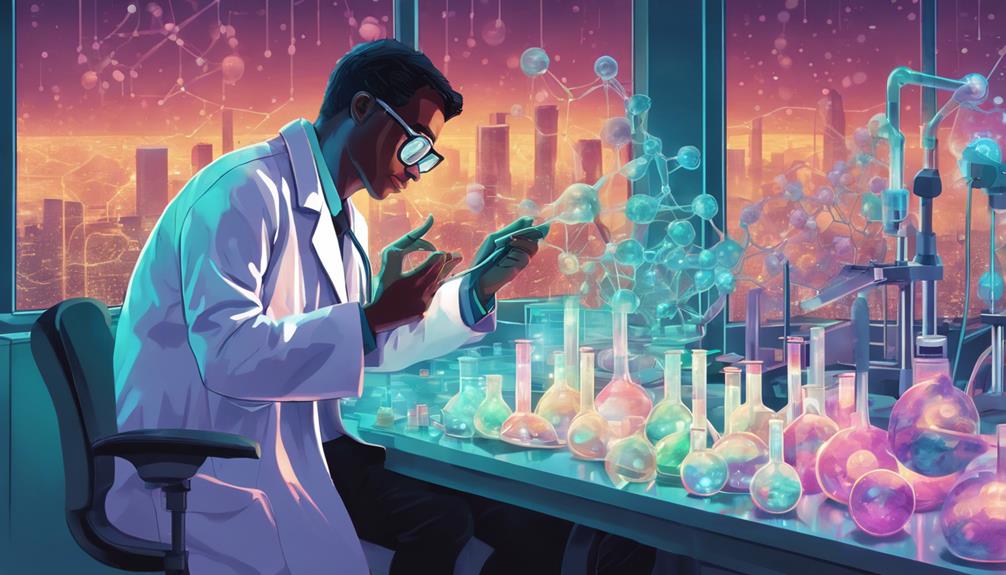
The Role of Biotechnology in Modern Medicine
Biotechnology has transformed modern medicine by introducing innovative treatments, diagnostic tools, and strategies that have transformed disease prevention, diagnosis, and treatment. Gene editing and immunotherapy have enhanced cancer treatment outcomes, whereas precision medicine enables personalized therapies based on genetic profiles. Regenerative medicine and tissue engineering offer hope for repairing injured tissues, and vaccine development has led to focused immunization efforts. Synthetic biology and biofuels are paving the way for sustainable energy production. As these advancements continue to evolve, the field of modern medicine is positioned to undergo further significant transformations, unveiling new possibilities for human health and well-being.
Biotech Breakthroughs in Cancer Treatment
Over the past decade, numerous biotech breakthroughs have transformed cancer treatment, offering new hope to patients and families affected by this devastating disease. One significant area of progress is immunotherapy, which utilizes the potential of the immune system to combat cancer. Developments in immunotherapy have led to the creation of innovative treatments, such as checkpoint inhibitors, which have shown remarkable effectiveness in clinical trials. These therapies have improved patient outcomes, enriching survival rates and quality of life.
Another critical area of progress is precision medicine, which involves tailoring treatment to individual patients based on their unique genetic profiles. Targeted therapies, designed to target specific cancer-causing genes, have transformed cancer treatment. These therapies have demonstrated improved response rates, reduced side effects, and enriched patient outcomes. Clinical trials have played an essential role in accelerating the development of these novel treatments, providing valuable insights into their safety and effectiveness.
The convergence of immunotherapy and precision medicine has opened new avenues for cancer treatment. By combining these approaches, researchers are developing more effective and personalized treatment strategies. For instance, identifying biomarkers that predict response to immunotherapy can help select patients most likely to benefit from these treatments. As biotech continues to advance, we can expect even more innovative therapies to emerge, offering new hope to patients and families affected by cancer.
Gene Editing for Rare Diseases
Gene editing technologies have transformed the approach to treating rare diseases, offering a promising solution to correct the underlying genetic mutations that cause these devastating conditions. By making precise genetic corrections, scientists can potentially restore normal gene function, bringing new hope to affected families who have long been searching for effective treatments. This innovative approach has the potential to change the lives of individuals and families affected by rare diseases, offering a renewed sense of possibility and promise.
Precise Genetic Corrections
Rare genetic disorders, often inherited and debilitating, can now be tackled with unparalleled precision through the advent of gene editing technologies. Gene therapy and genetic engineering have transformed the field of medicine, offering new hope for those afflicted with rare diseases. By precisely editing genes, scientists can correct genetic mutations, effectively curing previously untreatable diseases.
| Disease | Impact of Gene Editing |
|---|---|
| Sickle Cell Anemia | Correcting the HBB gene mutation can alleviate symptoms and improve quality of life |
| Muscular Dystrophy | Editing the DMD gene can restore muscle function and prevent muscle degeneration |
| Cystic Fibrosis | Correcting the CFTR gene mutation can improve lung function and reduce respiratory issues |
| Huntington's Disease | Gene editing can halt disease progression and alleviate symptoms |
| Leukemia | Precise gene editing can eliminate cancer-causing mutations, leading to remission |
Through precise genetic corrections, individuals with rare genetic disorders can now experience improved health outcomes, and in some cases, even a cure. The possibilities offered by gene editing technologies have opened up new avenues for research and treatment, bringing hope to those affected by these devastating diseases.
Hope for Affected Families
Families impacted by rare genetic disorders, often shrouded in uncertainty and despair, can now find solace in the promising advancements of gene editing technologies. These innovative tools offer a glimmer of hope for treating and potentially curing debilitating conditions that were previously considered untreatable. The gene editing revolution has sparked a sense of community among affected families, who are now banding together to support one another and advocate for further research. Community support and fundraising efforts have become essential in driving progress, as they provide the necessary resources for scientists to continue their groundbreaking work. Moreover, advocacy campaigns and awareness initiatives have helped raise the profile of rare genetic disorders, garnering attention from policymakers, researchers, and the general public. As a result, more people are becoming aware of the struggles faced by these families and are inspired to take action. By working together, it is possible to create a future where rare genetic disorders are a thing of the past, and affected families can live full, healthy lives free from the burden of these devastating conditions.
Personalized Medicine Through Genomics
The decoding of an individual's unique genetic blueprint, made possible through rapid advancements in genomic sequencing, has opened up new avenues for customizing medical treatment to a person's specific needs and characteristics. This personalized approach to medicine enables healthcare professionals to identify genetic predispositions, diagnose diseases more accurately, and develop targeted therapies.
The benefits of personalized medicine are multifaceted. It allows for:
- Genetic counseling: Patients can receive guidance on genetic risks and make informed decisions about their health. Ethical considerations, such as ensuring non-discrimination and stigmatization, must be addressed to protect individuals and communities.
- Targeted treatments: Medications and therapies can be tailored to an individual's genetic profile, increasing their effectiveness and reducing adverse reactions.
- Data-driven medicine: The analysis of genomic data enables researchers to identify patterns and correlations, driving discoveries and improving healthcare outcomes. Yet, this raises privacy concerns and highlights the need for robust data protection measures to safeguard sensitive information.
As the field of genomics continues to evolve, it is crucial to balance the benefits of personalized medicine with the potential risks and ethical implications. By doing so, we can uncover the full potential of genomics in modern medicine, improving health outcomes and transforming patient care.
Vaccine Development and Distribution
Advancements in genomics have paved the way for a new era of vaccine development, where researchers can now leverage genetic insights to create more effective and targeted vaccines against infectious diseases. This precision has enabled the creation of vaccines that can combat specific variants of diseases, thereby improving vaccine effectiveness. Moreover, genomics has facilitated the development of vaccines that can be easily adapted to emerging threats, allowing for a more agile response to outbreaks.
The impact of these advancements is being felt globally, with efforts directed at global immunization gaining momentum. The development of more effective vaccines has enabled health organizations to target high-risk populations more effectively, thereby reducing the incidence of infectious diseases. Nevertheless, the challenges of vaccine distribution remain a significant hurdle, particularly in resource-poor settings. The supply chain for vaccines is complex, and ensuring that vaccines reach those who need them most remains a significant logistical challenge.
Despite these challenges, the progress made in vaccine development and distribution holds significant promise for improving global health outcomes. As researchers continue to push the boundaries of what is possible, it is likely that we will see even more effective and targeted vaccines emerge. With continued investment in vaccine development and distribution, it is possible that we may one day achieve the goal of global immunization, where every individual has access to life-saving vaccines, regardless of their geographical location or socio-economic status.
Regenerative Medicine and Tissue Engineering
By utilizing the potential of stem cells, regenerative medicine and tissue engineering have opened up new avenues for repairing or replacing damaged tissues, revolutionizing the treatment of debilitating diseases and injuries. This field has made significant advancements, offering hope to millions of people worldwide. Regenerative medicine advancements have led to the development of innovative therapies, such as gene editing and cellular therapies, which have shown promise in treating conditions like cancer, Parkinson's disease, and spinal cord injuries.
- Regenerative medicine raises ethical considerations, such as the use of embryonic stem cells, which sparks debate on the moral implications of manipulating human life.
- Tissue engineering challenges include scaling up tissue production, ensuring tissue functionality, and addressing biocompatibility issues.
- Future prospects for regenerative medicine and tissue engineering lie in personalized medicine, where customized therapies can be developed for individual patients, and in the creation of artificial organs and tissues for transplantation.
Despite the challenges, the potential of regenerative medicine and tissue engineering to transform healthcare is vast. As research continues to uncover the intricacies of stem cell biology and tissue development, we can expect to see further breakthroughs in the treatment of diseases and injuries. In the end, the integration of regenerative medicine and tissue engineering into modern medicine has the potential to improve human health and quality of life.
Biotech Innovations in Diagnostics
Swift and precise diagnosis is crucial in modern healthcare, and biotech breakthroughs have transformed the realm of diagnostics, empowering healthcare professionals to pinpoint diseases more effectively and promptly. One notable progress is the discovery of new biomarkers, which aid in early detection and identification of diseases. These biomarkers are specific molecules or genes that indicate the presence of a particular illness or condition, allowing for timely interventions and treatments.
Biotech advances have also resulted in the creation of point-of-care testing, which enables healthcare professionals to acquire swift results at the patient's bedside or in a clinic setting. This method eliminates the need for extensive laboratory testing, reducing wait times and facilitating prompt treatment initiation. Point-of-care testing has transformed the diagnosis of infectious diseases, like influenza and HIV, as well as chronic conditions such as diabetes and cardiovascular disease.
The integration of biotech innovations in diagnostics has enhanced patient outcomes, decreased healthcare expenses, and improved the overall quality of care. Additionally, these progressions have paved the way for personalized medicine, where treatments are customized to individual patients based on their unique genetic profiles and biomarkers. As biotech innovations continue to progress, we can anticipate even more precise and efficient diagnostic tools, ultimately leading to improved health outcomes and enhanced lives.
Stem Cell Therapies and Applications
Stem cells, the body's master cells, hold immense potential for revolutionizing the treatment of various diseases and injuries, as they can be persuaded into developing into specialized cells and tissues. This promising technology has sparked significant interest in the medical community, with researchers exploring its applications in regenerative medicine.
The potential benefits of stem cell therapies are vast, including:
- Regenerative medicine: Stem cells can be used to repair or replace damaged tissues, offering new hope for patients suffering from degenerative diseases, such as Parkinson's and Alzheimer's.
- Personalized medicine: Stem cells can be engineered to create individualized therapies customized to individual patients, reducing the risk of rejection and increasing treatment efficacy.
- Disease modeling: Stem cells can be used to create disease models, allowing researchers to study the underlying mechanisms of diseases and develop more effective treatments.
However, stem cell research is not without its challenges. Ethical implications, such as the use of embryonic stem cells, must be carefully considered. Moreover, research challenges, including the need for more efficient and cost-effective methods of stem cell production, must be addressed. Notwithstanding these hurdles, clinical trials are underway, and the future prospects for stem cell therapies are promising. As research continues to advance, it is likely that stem cell therapies will play an increasingly important role in modern medicine.
Synthetic Biology and Biofuels
Synthetic biology has transformed the field of biofuels by enabling the design of microbial factories that can efficiently produce fuels from renewable biomass. To achieve this, researchers have focused on engineering biofuel pathways and optimizing fermentation conditions to maximize yield and minimize costs. By exploring these approaches, scientists can unleash the full potential of synthetic biology to develop sustainable and renewable energy sources.
Designing Microbial Factories
Microorganisms have been utilized as microbial factories to produce valuable compounds, including biofuels, through the application of synthetic biology principles. This innovative approach enables the design of microorganisms to perform specific functions, such as producing bioactive compounds or biofuels, through microbial engineering. Synthetic biology allows for the manipulation of microbial genomes to create novel metabolic pathways, thereby enhancing the production of desired compounds.
The benefits of designing microbial factories are numerous:
- Sustainable production: Microbial factories offer a sustainable alternative to traditional chemical synthesis methods, reducing the environmental impact of production processes.
- Increased efficiency: Microorganisms can be engineered to produce compounds at a faster rate and with greater yield than traditional methods.
- Diverse applications: Microbial factories can be designed to produce a wide range of compounds, from biofuels to pharmaceuticals, opening up new avenues for research and development.
Engineering Biofuel Pathways
How can scientists utilize the potential of microorganisms to produce biofuels that can meet the world's growing energy demands whilst reducing our reliance on fossil fuels? Through metabolic engineering, researchers can design and construct novel biofuel pathways in microorganisms, enabling them to convert renewable biomass into sustainable fuels. This approach has the capacity to markedly reduce greenhouse gas emissions and mitigate the environmental impact of traditional fossil fuel-based energy production.
Optimizing Fermentation Conditions
One vital factor in the successful production of biofuels through microbial fermentation is the enhancement of fermentation conditions to maximize yields and efficiency. This involves identifying and controlling key parameters such as temperature, pH, nutrient availability, and oxygen levels to create an ideal environment for microbial growth and biofuel production.
Enhancement of fermentation conditions is essential for industrial applications, as it directly impacts the cost-effectiveness and scalability of biofuel production. Yet, achieving ideal conditions can be challenging, especially when scaling up from laboratory settings to large bioreactors.
Some key considerations for fermentation enhancement include:
- *Bioreactor design*: Designing bioreactors that can maintain ideal conditions for microbial growth and biofuel production while minimizing costs and energy requirements.
- *Fermentation enhancement strategies*: Developing strategies to optimize fermentation conditions, such as adaptive control systems and machine learning algorithms, to maximize yields and efficiency.
- *Scale-up challenges*: Overcoming the challenges associated with scaling up fermentation processes from laboratory to industrial scales, including maintaining consistent conditions and minimizing contamination risks.
Frequently Asked Questions
How Does Biotechnology Impact the Cost of Healthcare in the Long Run?
Like a masterfully crafted puzzle, the impact of biotechnology on healthcare costs is a complex and multifaceted issue. In the long run, biotechnology has the potential to reduce healthcare costs to a considerable extent, making healthcare affordability a tangible reality. By driving innovation and improving treatment outcomes, biotechnology can promote long-term sustainability in healthcare systems, ultimately easing the financial burden on patients and governments alike.
Can Biotech Advancements Lead to Unintended Environmental Consequences?
As biotech advancements accelerate, it is important to take into account their potential environmental impact. Unintended consequences, such as genetically modified organisms escaping into ecosystems or contamination of water sources, pose significant risks. Effective regulatory oversight is necessary to mitigate these effects. Governments and industries must collaborate to establish robust guidelines, ensuring that biotech innovations are environmentally sustainable and responsible. Furthermore, promoting sustainable technology advancements can help bridge the gap between innovation and environmental stewardship. By investing in research that focuses on ecologically sound practices, we can harness the benefits of biotechnology while minimizing risks to our natural habitats. Educational initiatives and public awareness campaigns are also critical in ensuring that communities understand the implications of these technologies and support responsible implementation.
What Are the Ethical Considerations Surrounding Gene Modification?
The ethical considerations surrounding gene modification are multifaceted and far-reaching. Genetic engineering, which involves the intentional alteration of an organism's DNA, raises profound questions about ethics and morality. Gene editing technologies, such as CRISPR, have sparked intense debate about the boundaries of scientific inquiry and the potential consequences of tampering with the fundamental building blocks of life. As scientists push the frontiers of gene modification, it is crucial to engage in nuanced discussions about the moral implications of these advancements.
How Do Biotech Companies Ensure Safety in Human Clinical Trials?
During human clinical trials, biotech companies prioritize safety by implementing rigorous protocols. Participant monitoring is vital, involving close observation and timely intervention to address any adverse reactions. Regulatory compliance is necessary, guaranteeing adherence to stringent guidelines and laws. Additionally, informed consent is obtained from participants, and thorough risk assessments are conducted to identify potential hazards. By adopting these measures, biotech companies can minimize risks and guarantee the well-being of trial participants.
Will Biotechnology Replace Traditional Pharmaceuticals in the Future?
As the bioethics debate surrounding biotechnology intensifies, a pressing question emerges: will biotechnology supplant traditional pharmaceuticals? Although biotech innovations hold immense promise, future implications must be carefully considered. Regulatory oversight is essential to mitigating potential risks associated with biotech products. In the end, a balanced approach that weighs benefits against risks will determine whether biotechnology assumes a dominant position in the pharmaceutical environment.

Related Posts

Why Understanding the Context Matters in Today’s News

The Power of Curiosity in Uncovering Hidden Stories