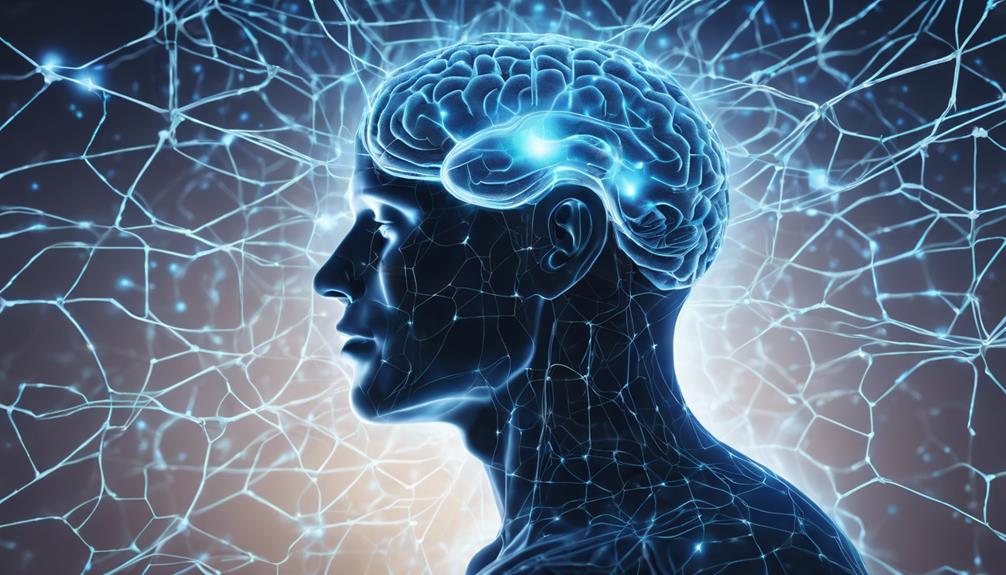
Exploring the Potential of Brain-Computer Interfaces
Brain-computer interfaces (BCIs) have the potential to transform the lives of individuals with severe physical disabilities or neurological disorders. By providing new pathways for communication and interaction, BCIs empower individuals to regain motor skills and function, and expand their cognitive abilities further. Healthcare professionals can better understand patient needs through improved communication, leading to significant improvements in quality of life. As research advancements continue to push the boundaries of BCI technology, we can expect to open up new avenues for people, enhancing human productivity and performance in ways previously unimaginable, and uncovering the vast potential that lies ahead.
Unlocking New Avenues for People
Accessing New Pathways for Individuals
Numerous individuals with severe physical disabilities or neurological disorders may soon find themselves empowered by brain-computer interfaces, which hold the promise of accessing new pathways for communication, interaction, and overall quality of life. By leveraging the potential of brain signals, these innovative technologies have the capability to transform the way people interact with the world around them. For those struggling with debilitating conditions such as amyotrophic lateral sclerosis (ALS), locked-in syndrome, or spinal cord injuries, brain-computer interfaces offer a beacon of hope for regaining control and autonomy.
Improving communication is a critical aspect of brain-computer interfaces, enabling individuals to express their thoughts, needs, and desires more effectively. By decoding neural signals, these systems can facilitate seamless communication, bridging the gap between the brain and external devices. This breakthrough has far-reaching implications for advancing healthcare, particularly within the domain of patient care and rehabilitation. By facilitating more effective communication, healthcare professionals can better understand patient needs, leading to more targeted and effective treatment plans.
Ultimately, brain-computer interfaces have the potential to access new pathways for individuals, empowering them to take control of their lives and engage with the world in ways previously unimaginable. As research continues to advance, we can expect to see significant improvements in communication, healthcare, and overall quality of life for individuals with severe physical disabilities or neurological disorders.
Enhancing Human Productivity and Performance
Beyond improving the lives of individuals with severe physical disabilities or neurological disorders, brain-computer interfaces hold significant potential for boosting human productivity and performance across a wide range of applications. By tapping into the capabilities of brain-computer interfaces, individuals can experience cognitive enhancement, leading to an efficiency boost that transforms their daily lives. This technology has the potential to optimize performance, resulting in a significant increase in productivity.
In the workplace, brain-computer interfaces can enable professionals to focus more intently, process information more swiftly, and make decisions with greater accuracy. This, in turn, can lead to improved creativity, enhanced problem-solving skills, and accelerated learning capabilities. Moreover, brain-computer interfaces can facilitate seamless communication, streamlining collaboration and eliminating language barriers. The implications of this technology are extensive, with potential applications in fields such as finance, healthcare, and education. Additionally, the integration of brain-computer interfaces with other advanced technologies could unlock new dimensions of efficiency and productivity. For instance, when combined with facial recognition technology explained, these interfaces could provide real-time emotional feedback, enabling teams to gauge reactions and adapt their approaches dynamically. As professionals harness these innovations, they may redefine traditional workflows and cultivate a more responsive and engaged workplace culture.
As brain-computer interfaces continue to evolve, we can expect to see significant advancements in human productivity and performance. With the ability to tap into the vast potential of the human brain, individuals will be empowered to achieve more, faster, and with greater precision. The future of work and personal achievement will be redefined, as brain-computer interfaces open up new levels of human potential, driving innovation and progress forward.
Regaining Motor Skills and Function
Brain-computer interfaces are revolutionizing the field of motor skill rehabilitation, offering individuals with paralysis, amputations, or neurological disorders a promising avenue for regaining motor function and independence. This innovative technology has the potential to greatly improve rehabilitation benefits, enabling individuals to recover motor skills that were previously thought to be lost. By decoding neural signals, brain-computer interfaces can bypass damaged or non-functional motor pathways, allowing individuals to regain control over their movements.
One of the most notable advantages of brain-computer interfaces in motor skill rehabilitation is their ability to provide real-time feedback to users. This feedback enables individuals to adjust their neural signals, refining their motor control and improving overall performance. In addition, brain-computer interfaces can be used in conjunction with traditional rehabilitation therapies, amplifying their effectiveness and speeding up the recovery process.
The implications of this technology are far-reaching, offering hope to individuals with a range of motor disorders. From restoring mobility to those with spinal cord injuries, to improving dexterity in individuals with neurological conditions, brain-computer interfaces have the potential to transform the field of motor skill rehabilitation. As this technology continues to evolve, it is likely that we will see even more significant advancements in motor control and rehabilitation benefits, ultimately empowering individuals to regain their independence and live more fulfilling lives.
Expanding Cognitive Abilities Further
As researchers continue to push the boundaries of brain-computer interfaces, they are exploring the vast potential of these systems to improve cognitive abilities, such as attention, memory, and learning. The possibilities for cognitive enhancement are vast, and the potential to tap into human potential is unprecedented. By utilizing the capabilities of neuroplasticity, BCI technology can rewire the brain to optimize performance, unleashing new levels of creativity, focus, and mental agility.
| Cognitive Ability | Current Limitations | BCI-Enabled Potential |
|---|---|---|
| Attention | Distractions, fatigue | Laser-like focus, improved productivity |
| Memory | Forgetting, information overload | Photographic recall, effortless learning |
| Learning | Slow absorption, limited capacity | Rapid skill acquisition, accelerated expertise |
The implications of BCI-enabled cognitive enhancement are profound. Envision being able to control your mental state, summoning creativity and inspiration at will. Picture possessing the mental clarity and focus to tackle complex problems with ease. BCI technology holds the key to unleashing these abilities, granting users unparalleled mental abilities and agility. As researchers continue to advance the field, the possibilities for human cognitive enhancement will only continue to expand, empowering individuals to reach new heights of achievement and success.
The Future of Neurotechnology Integration
The Future of Neurotechnology Integration
Several decades of steady advancements in neurotechnology are poised to culminate in a future where humans and machines converge in unprecedented ways. As brain-computer interfaces (BCIs) become more sophisticated, the boundaries between human and machine will continue to blur, leading to transformative changes in various aspects of life. The integration of neurotechnology into daily life will have profound ethical implications and societal impact, raising important questions about the responsible development and deployment of these technologies.
One of the primary concerns is the privacy and security of neural data. As BCIs become more widespread, the risk of data breaches and misuse will increase, compromising individual privacy and potentially leading to catastrophic consequences. It is crucial to establish stringent data security protocols and regulations to safeguard sensitive neural information. Moreover, the integration of neurotechnology into critical infrastructure, such as healthcare and finance, will require robust security measures to prevent cyber attacks and data exploitation.
To utilize the full potential of neurotechnology, it is essential to address these concerns proactively. A multidisciplinary approach, involving stakeholders from academia, industry, and government, is necessary to develop and implement ethical guidelines, regulations, and standards for the development and deployment of BCIs. By doing so, we can make certain that the future of neurotechnology integration is marked by responsible innovation, benefiting humanity as a whole.
Frequently Asked Questions
How Do Brain-Computer Interfaces Affect User Mental Health and Stress Levels?
As the threads of technology weave into the fabric of our minds, a delicate balance is struck. The mental health and stress levels of users hang in the balance, like a precarious scale. Brain-computer interfaces can either tip the scales in favor of improved cognitive performance and emotional well-being or precipitate a downward spiral of psychological distress. A seamless user experience is essential, lest the boundaries between man and machine blur, leaving users vulnerable to the whims of their own minds.
Can BCI Technology Be Used for Mind-Reading or Surveillance Purposes?
The idea of utilizing technology for mind-reading or surveillance purposes raises profound ethical implications and privacy concerns. The potential for unauthorized access to individuals' thoughts and emotions sparks fears of mental intrusion, blurring the lines between personal autonomy and external control. As we explore this uncharted territory, it is vital to establish strict safeguards to protect users' privacy and make sure that such technology is wielded responsibly, lest we risk compromising the very core of human dignity.
What Are the Potential Cybersecurity Risks of Brain-Computer Interfaces?
As we venture into the unexplored territories of neural connections, a sinister threat lurks in the shadows. The potential cybersecurity risks of brain-computer interfaces are a ticking time bomb, waiting to release a catastrophic breach of data privacy. The ethical implications are dire, as the most intimate thoughts and desires of individuals are vulnerable to exploitation. It is imperative that we prioritize the development of ironclad security measures to safeguard against these threats, lest we sacrifice our very minds to the whims of cybercriminals.
How Will BCIS Be Regulated and Standardized Across Industries?
Establishing a thorough regulatory framework is vital for ensuring the safe and secure development of brain-computer interfaces (BCIs). Industry standards must be set to govern the design, testing, and deployment of BCIs across various sectors. A unified approach will facilitate interoperability, mitigate risks, and promote public trust. Regulatory bodies and industry leaders must collaborate to establish clear guidelines, protocols, and certifications, thereby nurturing a secure and responsible BCI ecosystem.
Can Brain-Computer Interfaces Be Used to Enhance Creativity and Artistic Expression?
As the brush strokes of genius dance across the canvas, a spark of creativity ignites. Can this fleeting moment be amplified, utilized, and harnessed upon the world? Brain-computer interfaces hold the key to tapping into human imagination, propelling artistic innovation to unprecedented heights. By directly accessing the brain’s creative potential, BCIs can enrich imagination, birthing novel masterpieces that redefine the boundaries of art and expression. The possibilities are boundless, and the future of creativity hangs in the balance. As artists embrace these technologies, the integration of intuitive interfaces in complex systems allows for seamless interaction between human thought and digital creation. This synergy not only enhances the artistic process but also democratizes creativity, empowering individuals from all walks of life to express themselves in ways previously thought unimaginable. In this brave new world, the canvas transforms into a vibrant playground for the mind, where imagination knows no limits and every stroke can spark a revolution in the arts.

Related Posts
The Top Tools for Empowering Creative Developers in 2024
How Creative Coding Is Bridging Art and Technology
