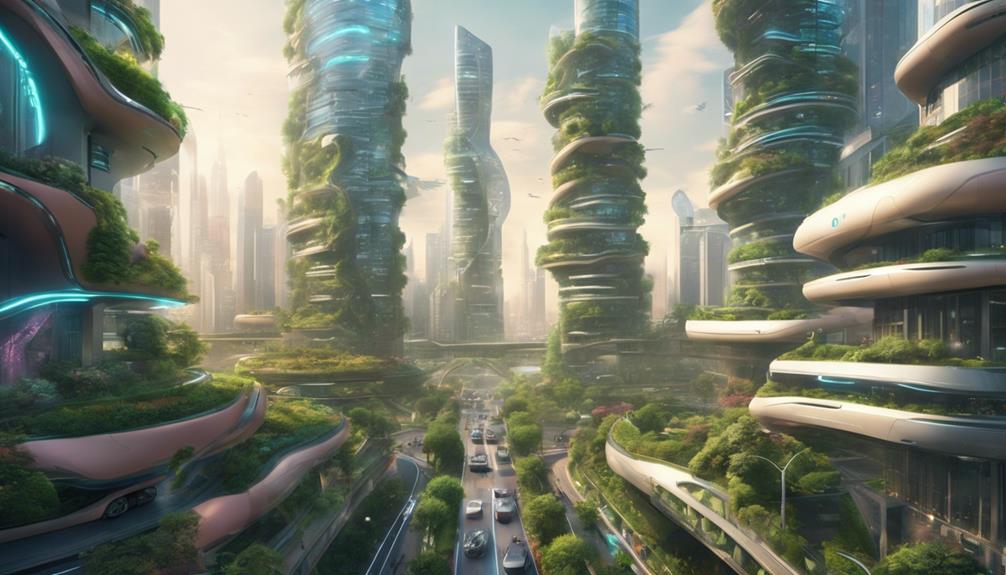
The Future of Urban Development: Sustainable Solutions
As the world's urban population is projected to reach 6 billion by 2045, sustainable urban development is vital to mitigate environmental, social, and economic challenges. Green infrastructure, smart transportation systems, and inclusive zoning practices must be integrated to promote ecological resilience, social equity, and economic viability. Renewable energy integration, water conservation strategies, and waste management innovations are also necessary to reduce the urban carbon footprint. Resilient urban design, community engagement platforms, and sustainable urban planning models must be adopted to create livable, inclusive, and resilient cities. The path to a sustainable urban future lies in embracing these solutions and exploring further.
Green Infrastructure Revolution
As the world's urban population is projected to reach 6 billion by 2045, the need for sustainable and resilient urban infrastructure has become increasingly urgent, and the green infrastructure revolution is positioned to play a crucial role in addressing this challenge. This revolution is driven by the growing recognition of the importance of integrating green technology and sustainable architecture into urban planning. By incorporating green spaces, parks, and gardens into urban design, cities can mitigate the urban heat island effect, reduce air pollution, and enhance the overall quality of life for citizens.
Green infrastructure plays a critical role in managing stormwater runoff, reducing the burden on traditional grey infrastructure, and promoting biodiversity. Additionally, sustainable architecture can decrease energy consumption, lower greenhouse gas emissions, and create more livable and resilient cities. The green infrastructure revolution is essential not just for aesthetics; it's about creating functional, efficient, and environmentally conscious cities that can support the needs of a growing population.
As cities continue to evolve, the green infrastructure revolution will be vital in addressing the complex challenges of urbanization. By embracing green technology and sustainable architecture, cities can create a better future for generations to come. By adopting innovative and forward-thinking approaches to urban development, we can build cities that are not just sustainable but also resilient, equitable, and thriving.
Smart Transportation Systems
In tandem with the green infrastructure revolution, the integration of smart transportation systems is poised to transform the urban environment, offering a more efficient, sustainable, and connected way to navigate cities. This transformation is driven by the need to reduce congestion, emissions, and energy consumption, whilst improving the overall quality of life for citizens.
Smart transportation systems leverage advanced technologies, such as IoT sensors, data analytics, and artificial intelligence, to optimize traffic flow, reduce travel times, and enrich the overall commuter experience. The concept of connected mobility is at the heart of this revolution, enabling seamless interactions between different modes of transportation, such as buses, trains, and bike-sharing systems.
| Smart Transportation Feature | Benefits |
|---|---|
| Real-time Traffic Monitoring | Optimizes traffic signal timing, reducing congestion and emissions |
| Intelligent Parking Systems | Guides drivers to available parking spots, reducing traffic congestion |
| Public Transit Optimization | Streamlines bus and train routes, reducing travel times and increasing ridership |
| Electric Vehicle Infrastructure | Supports widespread adoption of eco-friendly transportation options |
Inclusive Zoning Practices
As urban areas continue to expand and develop, inclusive zoning practices are crucial for creating lively, fair communities. A key aspect of this approach is the implementation of mixed-income housing options, which can help to decrease socio-economic segregation and promote diversity. By integrating affordable housing incentives and community land trusts, cities can guarantee that all residents have access to secure, affordable housing and a stake in their community's future.
Mixed-Income Housing Options
Mixed-income housing options, facilitated by inclusive zoning practices, have emerged as a vital strategy for addressing the pressing issue of socioeconomic segregation in urban areas. By integrating different income groups within a single development, these projects promote economic diversity and neighborhood cohesion. This approach helps to break down social barriers, nurturing a sense of community and reducing urban inequality.
| Benefits | Challenges | Examples |
|---|---|---|
| Economic diversity | Zoning regulations | New York City's Affordable New York Housing Program |
| Neighborhood cohesion | Community resistance | Vancouver's Mixed-Income Housing Policy |
| Increased social mobility | Funding constraints | Chicago's Plan for Transformation |
| Reduced urban inequality | Integration of services | Seattle's Inclusive Zoning Ordinance |
| Improved quality of life | Balancing affordability and market rates | Montreal's Affordable Housing Strategy |
Affordable Housing Incentives
To stimulate the development of affordable housing, municipalities are turning to inclusive zoning practices, which offer a range of incentives to builders who incorporate affordable units into their projects. These incentives are designed to address the pressing issue of housing affordability, which has become a major concern in many urban areas. By providing density bonuses, reduced parking requirements, and expedited permitting processes, governments can encourage developers to build more affordable units.
In addition to these incentives, governments can offer financial incentives, such as tax credits, grants, and low-interest loans. These government incentives can help offset the costs associated with building affordable housing, making it more financially viable for developers. Moreover, inclusive zoning practices can also help to promote mixed-income communities, where affordable units are integrated into market-rate projects. This approach can help to break down social and economic barriers, creating more diverse and inclusive neighborhoods. By implementing these strategies, municipalities can increase the supply of affordable housing, helping to address the housing affordability crisis and create more sustainable and equitable urban communities.
Community Land Trusts
Community land trusts, a type of inclusive zoning practice, offer an innovative approach to preserving affordable housing stock by removing land from the speculative market and placing it in a trust for the benefit of the community. This model guarantees that the land is used for the greater good, rather than being driven by profit motives. By taking land out of the speculative market, community land trusts can provide a stable and affordable source of land for housing development.
One of the key benefits of community land trusts is the promotion of equitable ownership. Residents have a stake in the decision-making process, ensuring that their needs and concerns are taken into consideration. This community-led approach furthermore enables the development of affordable housing that is customized to the specific needs of the local population. By prioritizing community needs over profit, community land trusts can help to address the affordable housing crisis and create more inclusive and sustainable urban environments. By adopting this innovative approach, cities can also guarantee that affordable housing is preserved for future generations, promoting social and economic equity.
Renewable Energy Integration
Sustainability imperatives are driving the integration of renewable energy sources into urban infrastructure, necessitating innovative strategies to harmonize energy production and consumption patterns. As cities shift towards a low-carbon future, the incorporation of renewable energy sources such as solar, wind, and hydroelectric energy is becoming increasingly important. However, this change poses significant challenges, particularly concerning grid integration. The intermittent nature of renewable energy sources requires advanced energy storage systems to guarantee a stable and reliable energy supply.
Effective grid integration is critical to make sure that renewable energy sources can be efficiently distributed and consumed. This involves upgrading existing grid infrastructure to accommodate decentralized energy production, in addition to implementing smart grid technologies that can manage energy distribution in real-time. Additionally, energy storage solutions such as batteries and other innovative technologies are being developed to address the issue of energy intermittency. These solutions enable cities to store excess energy generated by renewable sources during the day for use during periods of high demand. By integrating renewable energy sources into urban infrastructure, cities can reduce their dependence on fossil fuels, decrease greenhouse gas emissions, and create a more sustainable and resilient energy system.
Water Conservation Strategies
As the world's population becomes increasingly urbanized, cities are facing unprecedented pressure to conserve water resources, requiring the development and implementation of innovative water conservation strategies. Traditional methods of water supply management are no longer sufficient to meet the demands of growing urban populations, making it necessary to adopt sustainable solutions that reduce water waste and optimize water use.
One effective approach is rainwater harvesting, which involves collecting and storing rainwater for non-potable purposes such as flushing toilets, washing machines, and irrigation systems. This strategy not only decreases the demand on municipal water supplies but also lowers stormwater runoff, reducing the risk of urban flooding.
Another essential strategy is greywater recycling, which involves treating and reusing wastewater generated from sinks, showers, and washing machines for irrigation and toilet flushing. Greywater recycling can significantly decrease the amount of potable water used for non-potable purposes, thereby conserving this precious resource.
Implementing these strategies requires a multidisciplinary approach, involving collaboration between policymakers, urban planners, architects, and engineers. By adopting innovative water conservation strategies, cities can reduce their water footprint, strengthen water security, and create more sustainable and resilient urban environments. Effective water conservation is vital to ensuring the long-term viability of urban ecosystems and supporting the well-being of urban populations.
Waste Management Innovations
Several innovative waste management solutions are being explored and implemented in cities worldwide, driven by the need to reduce waste disposal costs, minimize environmental impacts, and optimize resource recovery. One key approach is the adoption of a circular economy model, where waste is viewed as a valuable resource to be recovered and reused. This shift in mindset has led to the development of new technologies and infrastructure designed to maximize resource recovery and minimize waste sent to landfills.
| Waste Management Innovation | Benefits |
|---|---|
| Advanced Recycling Technologies | Increased recycling rates, reduced waste sent to landfills |
| Anaerobic Digestion | Energy generation, reduced greenhouse gas emissions |
| Composting Infrastructure | Nutrient-rich soil amendments, reduced waste sent to landfills |
| Waste-to-Energy Facilities | Energy generation, reduced waste sent to landfills |
| Smart Waste Collection Systems | Optimized waste collection routes, reduced fuel consumption |
These innovations are essential for achieving sustainable urban development, as they help reduce the environmental impacts of waste management, while generating economic benefits. By embracing a circular economy approach, cities can access the value of waste and create a more sustainable future. As the world's population continues to urbanize, the importance of effective waste management cannot be overemphasized. By adopting these innovative solutions, cities can minimize their environmental footprint and create a more livable and sustainable future for their citizens.
Resilient Urban Design
As cities continue to grow and urbanization intensifies, the need for resilient urban design has become increasingly critical. Climate-resilient infrastructure planning and urban flood protection systems are vital components of this approach, enabling cities to adapt to the challenges posed by a changing climate. By integrating these design elements, urban planners can create sustainable and adaptable cities that thrive in the face of uncertainty.
Climate-Resilient Infrastructure Planning
Urban planners must prioritize climate-resilient infrastructure planning to safeguard cities from the devastating impacts of rising global temperatures, more frequent natural disasters, and extreme weather events. This involves integrating adaptive architecture and sustainable landscaping principles into urban design to bolster the city’s ability to withstand and recover from climate-related disruptions. By doing so, cities can reduce the risk of infrastructure damage, protect public health and safety, and maintain economic stability. Additionally, urban planners should focus on preserving and restoring natural ecosystems, such as wetlands and mangroves, which play a crucial role in mitigating the impact of climate change on coasts. These natural barriers can help absorb storm surges and reduce flooding risks, while also enhancing biodiversity. Furthermore, incorporating green spaces and urban forestry not only improves air quality but also provides residents with essential recreational areas that promote well-being and foster community resilience.
| Infrastructure Component | Climate-Resilient Feature | Benefit |
|---|---|---|
| Buildings | Raised foundations, flood-resistant materials | Reduced damage from flooding and storm surges |
| Transportation | Raised roads, green roofs | Improved drainage, reduced urban heat island effect |
| Parks | Permeable pavements, green infrastructure | Improved stormwater management, enhanced air quality |
| Water Management | Decentralized systems, green infrastructure | Increased water storage, reduced flood risk |
Urban Flood Protection Systems
Effective urban flood protection systems are crucial in resilient urban design, where integrated measures such as levees, dams, and floodwalls work in harmony with natural systems like wetlands and green spaces to mitigate the impact of flooding. These systems are vital in protecting urban areas from the devastating effects of flooding, which can lead to significant economic losses and displacement of communities.
Some key strategies for effective urban flood protection systems include:
- Implementing advanced flood barrier technologies, such as movable barriers and gates, to prevent flooding in high-risk areas
- Designing urban drainage solutions that can efficiently manage stormwater runoff, reducing the burden on drainage infrastructure
- Incorporating green infrastructure, such as parks and green roofs, to absorb excess rainfall and reduce runoff
- Conducting regular flood risk assessments to identify areas of high vulnerability and prioritize interventions
- Developing early warning systems and emergency response plans to guarantee timely evacuation and response in the event of a flood
Community Engagement Platforms
Through digital channels, community involvement platforms have emerged as a vital tool for municipalities to engage citizens in the decision-making process, nurturing a sense of ownership and responsibility among residents. These platforms facilitate digital engagement, enabling citizens to participate in virtual meetings and provide feedback on urban development projects. This inclusive approach guarantees that residents' concerns and ideas are heard, leading to more informed decision-making and more effective project outcomes.
Effective community involvement platforms provide a variety of features, including online forums, surveys, and project updates. They enable citizens to interact with municipal officials, ask questions, and provide feedback on proposed projects. This two-way communication builds trust and transparency, ensuring that citizens are well-informed about urban development initiatives. Additionally, community involvement platforms can be used to educate citizens about sustainable urban development practices, promoting a culture of environmental responsibility.
Sustainable Urban Planning Models
In response to the escalating environmental concerns and social inequalities, cities are adopting innovative sustainable urban planning models that prioritize people-centric design, ecological resilience, and economic viability. These models aim to create thriving, livable, and sustainable cities that provide a high quality of life for their citizens.
Some key features of sustainable urban planning models include:
- Mixed-use development: integrating residential, commercial, and recreational spaces to reduce commuting time and promote walkability
- Eco-friendly architecture: incorporating green technology and sustainable building materials to minimize carbon footprint
- Public transportation systems: efficient and reliable transportation networks that reduce reliance on personal vehicles
- Walkable neighborhoods: designing streets and public spaces that prioritize pedestrian safety and accessibility
- Green spaces: incorporating parks, gardens, and green roofs to mitigate urban heat island effect and improve air quality
These sustainable urban planning models not just reduce the environmental impact of urbanization but also elevate the social and economic well-being of citizens. By prioritizing people-centric design, cities can create inclusive, resilient, and thriving communities that are better equipped to face the challenges of the future.
Frequently Asked Questions
How Do Cities Balance Growth With Environmental Sustainability Goals?
Cities face the pressing challenge of balancing growth with environmental sustainability goals. To achieve this delicate equilibrium, public engagement is vital, as it nurtures a sense of community ownership and promotes responsible development. Investing in green infrastructure, such as parks, green roofs, and green spaces, is also necessary. These strategies not just alleviate the environmental impacts of urbanization but also improve the quality of life for citizens, in the end creating a more livable and sustainable city.
What Role Do Citizens Play in Shaping Urban Development Decisions?
Citizens play an important role in shaping urban development decisions through community involvement and citizen input. By participating in public consultations, citizens can provide valuable insights into their needs and concerns, influencing policy decisions that impact their daily lives. Effective community involvement nurtures a sense of ownership and responsibility, ensuring that urban development aligns with the community's vision and values, eventually leading to more sustainable and equitable urban environments.
Can Sustainable Urban Development Be Achieved in Low-Income Cities?
Achieving sustainable urban development in low-income cities is a pressing concern. Amid financial constraints may seem insurmountable, community involvement and government support can be game-changers. By empowering local residents to take ownership of development initiatives, cities can tap into their unique knowledge and skills. Concurrently, governments can provide crucial infrastructure and resources, creating an enabling environment for sustainable growth. This collaborative approach can help low-income cities leapfrog traditional development pathways, embracing innovative, eco-friendly solutions that benefit both people and the planet.
How Do Cities Measure and Track the Success of Sustainability Initiatives?
Cities measure and track the success of sustainability initiatives by leveraging data analytics and performance metrics. This enables them to quantify progress, identify areas for improvement, and make data-driven decisions. Furthermore, stakeholder engagement and community feedback are essential in ensuring that sustainability initiatives align with the needs and priorities of citizens. By integrating these approaches, cities can create a thorough framework for evaluating and refining their sustainability efforts.
What Are the Biggest Obstacles to Implementing Sustainable Urban Development?
Envision a city stuck in gridlock, its streets congested with pollution-spewing vehicles and its buildings draining precious resources. This is the reality that many urban centers face when trying to implement sustainable development. The biggest obstacles to achieving this goal are policy challenges, which often hinder the adoption of innovative solutions, and infrastructure barriers, which can make it difficult to retrofit existing systems with green technologies.

Related Posts
Why Understanding the Context Matters in Today’s News

The Power of Curiosity in Uncovering Hidden Stories