How to Decide Between New Construction and Existing Homes
Deciding between new construction and an existing home involves considering several key factors. Start by evaluating your budget, including potential repairs and closing costs. Think about location: proximity to amenities and schools can impact your lifestyle. Evaluate the features you want, like energy efficiency or modern design. Consider how much maintenance you're willing to handle—new homes typically require less. Furthermore, reflect on your timeline, as new builds may take longer. Finally, research market trends to understand future value. Weigh these aspects carefully, and you'll find the right fit for your needs. Discover more insights along the way!
Understanding Your Budget
In relation to buying a home, many people find themselves grappling with their budget. You want to guarantee you find a place where you feel you truly belong, and comprehending your financial limits is a significant first step. Start by evaluating your income, expenses, and savings to get a clear picture of what you can afford. This way, you'll avoid the disappointment of falling in love with a home that's out of reach.
When it comes to financing options, you'll discover various routes to take. Traditional mortgages, FHA loans, and VA loans are among the choices. Each has its pros and cons, so it's important to research which option aligns with your financial situation. Think about getting pre-approved for a loan; it gives you a better idea of your budget and shows sellers you're serious.
Budget flexibility is another critical aspect to think about. Unexpected expenses often arise during the home-buying process, from repairs to closing costs. By leaving a little room in your budget, you'll feel more secure and better equipped to handle any surprises.
Don't forget to factor in additional costs like property taxes, homeowners insurance, and maintenance. All these elements contribute to your overall financial picture, assuring you can enjoy your new home without ongoing stress. In the end, comprehending your budget helps you make informed decisions, setting the stage for a fulfilling home-buying experience.
Evaluating Location Preferences
With a solid comprehension of your budget, it's time to turn your attention to location preferences. Choosing the right neighborhood can greatly impact your daily life and sense of belonging. You want a community that fits your lifestyle, so consider these key factors:
- Proximity to Amenities: Think about how close you want to be to grocery stores, parks, restaurants, and healthcare facilities. A short drive or walk to these vital services can improve your quality of life.
- School Districts: If you have children or plan to in the future, research local school districts. Quality education can play a fundamental role in your family's happiness and future opportunities. Look for neighborhoods known for their top-rated schools.
- Commute Times: Consider your daily commute to work or other activities. A convenient location can save you time and reduce stress. Evaluate the traffic patterns and public transportation options to make sure you're making a practical choice.
As you weigh your options, keep in mind that finding the right location isn't just about the house; it's about the community you'll be part of. Whether you prefer the hustle and bustle of urban life or the tranquility of a suburban neighborhood, think about where you'll truly feel at home. Prioritize what matters most to you, and you'll be one step closer to finding the perfect fit for you and your family.
Assessing Home Features
Your choice of home features will greatly influence your comfort and satisfaction in your new space. As you assess your options, consider how energy efficiency impacts your long-term costs and environmental footprint. Look for homes that incorporate smart technology, allowing you to control everything from lighting to temperature with ease. This not just improves your daily life but also increases your home's resale potential.
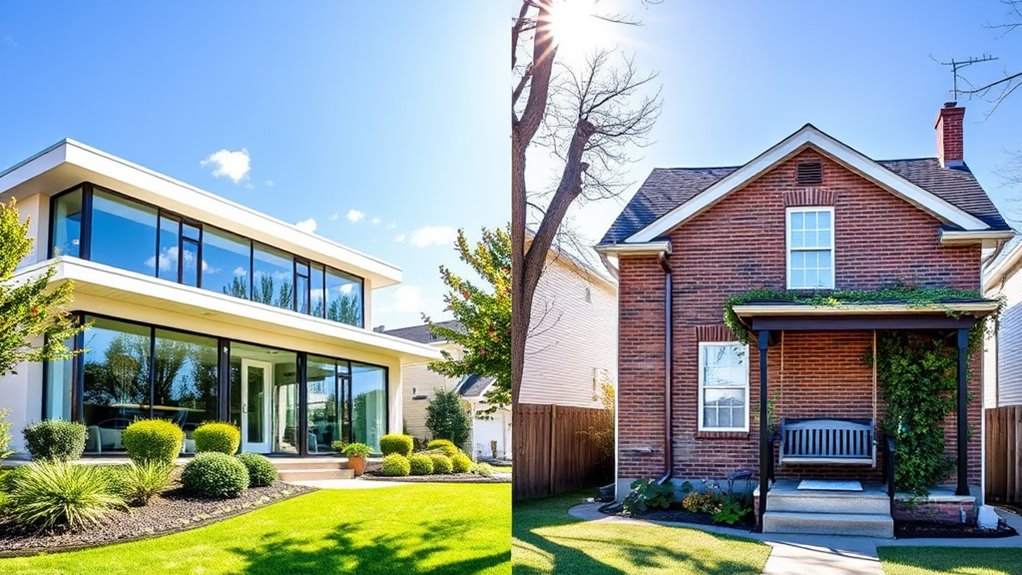
Architectural style plays an essential role in defining the character of your home. Whether you lean toward modern aesthetics or classic designs, choose a style that resonates with you and your vision of belonging. The interior layout is equally important; it should cater to your lifestyle, whether you enjoy entertaining friends or need cozy nooks for quiet moments.
Don't forget the outdoor space! A well-designed yard or patio can serve as an extension of your living area, perfect for gatherings or peaceful retreats. If you value community, consider homes near desirable community amenities like parks, pools, or walking trails, which can improve your sense of belonging.
Finally, think about design flexibility. New constructions often offer more options for customization, allowing you to create a space that truly feels like yours. Existing homes may have charm but could require compromises. Carefully weighing these features will guarantee your new home aligns with your needs and dreams, making it a sanctuary where you truly belong.
Considering Maintenance and Repairs
Evaluating maintenance and repair needs is crucial when deciding between new construction and existing homes. Each option comes with its own set of considerations that can impact your long-term happiness and financial well-being. Comprehending the maintenance costs and potential issues with each type of home can help you make a more informed choice.
Here are three key factors to think about:
- Home Warranties: New constructions often come with extensive home warranties, covering major systems for several years. This can greatly lessen your worry about unexpected repair costs.
- Repair History: Existing homes may have a repair history that gives insight into past issues and how well the home has been maintained. This history can guide you in estimating future maintenance and renovation potential.
- Energy Efficiency and Compliance: New homes typically meet modern code compliance standards, including energy efficiency measures. Conversely, older homes may require upgrades to meet these standards, impacting both maintenance needs and seasonal upkeep.
Additionally, consider landscaping needs, as existing homes might require more immediate attention. Paying attention to these factors can help you choose a home that aligns with your lifestyle and budget. By weighing the pros and cons of each option, you'll feel more confident in making a decision that guarantees your home sweet home remains just that.
Weighing Time and Availability
Deciding between new construction and existing homes often boils down to how much time and availability you have for the home-buying process and any necessary renovations. If you're looking to move quickly, existing homes can be appealing. They allow for a faster closing process, which means you can settle in sooner and start creating memories with family and friends.
On the other hand, new construction offers building timelines that can vary greatly. You might need to wait several months or even years for your dream home to be completed, especially if there are delays in project availability or construction permits. If you're patient and willing to invest time, though, you'll enjoy the benefits of design flexibility and customization options. You can select everything from the floor plan to the finishes, making it truly your own.
However, keep in mind that selecting contractors and managing the construction process can be overwhelming. It requires your active involvement, and you'll need to stay on top of contractor selection and timelines to avoid potential pitfalls. If you prefer a less hands-on approach, an existing home could be your best bet.
Ultimately, think about what fits your lifestyle and timeline best. Balancing your desire for a perfect home with the reality of your availability will help you make the right choice for you and your family.
Analyzing Future Value
When you're choosing between new construction and existing homes, grasping future value is essential. By analyzing market trends and comparing investment potential, you can make a more informed decision. This insight will help you envision not just where you'll live, but how your investment will grow over time.
Market Trends Analysis
Grasping market trends is vital for determining the future value of a home, whether you're considering new construction or an existing property. By staying informed, you can make choices that align with current market demand and buyer preferences. Here are three key factors to analyze:
- Economic Indicators: Keep an eye on unemployment rates, inflation, and interest rates. These can greatly affect financing options and overall housing affordability.
- Demographic Shifts: Recognizing who's moving into your area can guide you in selecting features that appeal to future buyers. Are more families relocating, or is there a trend in the direction of smaller households?
- Design Trends and Construction Costs: Evaluate current and emerging design trends that may improve a property's appeal. Additionally, consider how rising construction costs can impact new builds versus existing homes.
Investment Potential Comparison
Evaluating investment potential is essential for anyone weighing the pros and cons of new construction versus existing homes. When you consider rental income and resale value, the choice becomes clearer. New constructions often come with warranties and modern amenities, which can attract higher rental prices. Conversely, existing homes may offer established neighborhoods and character, appealing to certain buyers.
Here's a quick comparison to guide your decision:
| Property Type | Investment Potential |
|---|---|
| New Construction | Higher rental income potential because of modern features and lower maintenance costs. |
| Existing Homes | Established resale value, often appreciated in long-term neighborhoods. |
| New Construction | Typically, lower initial maintenance, leading to higher cash flow. |
| Existing Homes | Potential for renovation increases property value. |
| New Construction | May depreciate during economic downturns if overbuilt. |
| Existing Homes | Usually more stable, holding value better in recessions. |
Ultimately, think about your goals. Whether you're looking to generate rental income or maximize resale value, both options have something unique to offer. Determine what resonates most with your personal investment strategy.
Exploring Neighborhood Dynamics
As you navigate the decision between new construction and existing homes, grasping neighborhood dynamics plays an essential role in your choice. Comprehending what makes a neighborhood thrive can help you feel more connected and settled in your new home. Here are some key factors to evaluate:
- Community Amenities: Look for parks, recreational facilities, shopping centers, and dining options nearby. These amenities can improve your lifestyle and nurture community engagement.
- Local Schools and Crime Rates: Research the quality of local schools and crime statistics. Great schools often indicate a strong community commitment to education, whereas low crime rates offer peace of mind for you and your family.
- Demographic Trends and Neighborhood Growth: Pay attention to the demographic trends in the area. A growing population often signals development and investment, which can lead to increased property values over time.
In addition to these factors, reflect on the social dynamics of the neighborhood. Are there community events? How do residents interact? Strong connections among neighbors can cultivate a sense of belonging. Furthermore, explore nearby services, like grocery stores and healthcare facilities, as these will impact your daily life. Finally, environmental factors, such as green spaces and air quality, contribute to your overall well-being.
Frequently Asked Questions
What Are the Potential Financing Differences for New vs. Existing Homes?
When you're looking at financing for new versus existing homes, you'll notice some differences in down payment options and mortgage rates. New constructions often come with incentives that might reduce your down payment, whereas existing homes might require a more traditional approach. Mortgage rates can fluctuate based on the type of home you choose, so it's smart to shop around. Comprehending these factors will help you feel more confident in your decision.
How Do Energy Efficiency Ratings Compare Between New and Existing Homes?
When you look at energy efficiency ratings, new homes often outshine existing ones. They typically come with advanced energy-efficient features like better insulation and smart technology, which support sustainability practices. Existing homes might have charm, but they often lack these modern upgrades. Choosing a home that aligns with your values and lifestyle can encourage a sense of belonging in your community, as well as helping the planet thrive through smarter energy use.
What Impact Do Property Taxes Have on New Versus Existing Homes?
Envision standing at a fork in the road, where property tax rates shape your expedition. New homes often come with higher initial assessments because of their modern features, whereas existing homes might have lower rates but can rise with renovations. You'll want to weigh these assessment differences carefully, as they impact your budget and sense of belonging in your new community. Choosing wisely can lead to a more comfortable and financially stable home life.
Are There Different Insurance Costs for New and Existing Homes?
Yes, there are different insurance costs for new and existing homes. Typically, new constructions might have lower premiums because of updated safety features and materials. Nevertheless, premium variations can additionally depend on location and specific coverage needs. When you're shopping for insurance, it is crucial to compare quotes and understand the coverage options. By doing this, you'll find the best fit for your needs and feel more secure in your home.
How Do Warranties Differ for New Constructions Versus Older Homes?
Regarding warranties, you'll find the differences between new constructions and older homes can be as vast as the ocean! New constructions often come with extensive warranty coverage, ensuring that any construction quality issues are swiftly addressed. Conversely, older homes typically lack such guarantees, leaving you to fend for yourself. You want peace of mind, so weigh these warranty differences carefully to find a home that feels like yours.