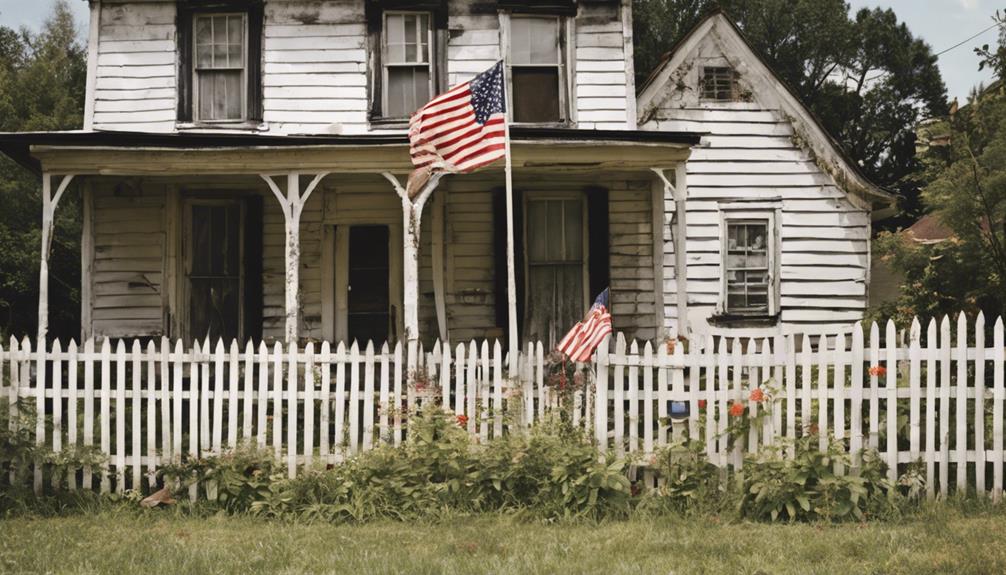
Tips for Buying Foreclosed Properties
When purchasing a foreclosed property, you’ll want to do your due diligence to avoid costly surprises. Start by researching the property’s history, including sales data and previous owners. Get pre-approved for financing and inspect the property for hidden damages, like roof and foundation issues. Check for needed repairs and review property tax liens to make sure you’re not inheriting outstanding debts. Don’t forget to evaluate the property’s resale value and plan for renovation costs. By being thorough, you’ll be better equipped to negotiate a fair price. Now, uncover the secrets to making a smart investment – there’s more to explore. Additionally, consider the neighborhood and its potential for growth, as this can significantly affect your investment’s value over time. Engaging with local real estate experts can provide invaluable insights that can guide your decision-making process. For those interested in the broader real estate market, we also have tips for choosing a vacation home that can help you make an informed and strategic choice for your next property purchase.
Research the Property's History
Before making an offer on a foreclosed property, dive into its past to uncover potential pitfalls, as a property's history can be a treasure trove of valuable information that can make or break your investment. You'll want to conduct a thorough title search to uncover any hidden liens or ownership disputes that could complicate the buying process. This search will reveal the property's chain of ownership, including previous owners, which can be telling. For instance, if the property has had multiple owners in a short span, it may indicate underlying issues.
Delve deeper into the property's history by examining neighborhood demographics and property values. Grasping the local market trends and property values will help you determine if the foreclosed property is a good investment opportunity. You'll want to research the neighborhood's crime rates, school districts, and local amenities to gauge its desirability. Furthermore, analyze the property's sales history to identify any patterns or red flags. Has the property been on the market for an extended period? Has it been previously renovated or updated? These details will provide valuable context for your investment decision.
Get Pre-Approved for Financing
Obtain a pre-approval letter from a lender to demonstrate your financial credibility and gain a competitive edge in the foreclosed property market. This important step will give you an idea of how much you can afford and will also make your offer more appealing to sellers. When shopping for mortgage options, consider your budgeting needs and explore different loan programs that fit your financial situation.
You'll need to provide financial documents, such as pay stubs, bank statements, and tax returns, to get pre-approved. Your lender will also review your credit score, which plays a significant role in loan approval. A good credit score can lead to better interest rates and terms, so it's crucial to check your report for any errors or discrepancies beforehand.
Once you're pre-approved, you'll receive a letter stating the approved loan amount, interest rate, and loan term. This will give you a clear insight into your budget and will also demonstrate to sellers that you're a serious buyer. With a pre-approval letter in hand, you can confidently search for foreclosed properties, knowing exactly how much you can afford. Don't start your property search without getting pre-approved – it's an important step in the homebuying process that will save you time and hassle in the long run.
Inspect for Hidden Damages
When you're buying a foreclosed property, it's important that you inspect for hidden damages that can cost you a fortune down the line. You'll want to keep a sharp eye out for issues with the roof and attic, along with potential foundation and structural flaws. By doing so, you'll be able to identify potential deal-breakers before it's too late.
Roof and Attic Issues
You'll want to examine the roof and attic for signs of wear, as even minor issues can escalate into expensive problems down the line. A thorough inspection is vital to uncovering hidden damages that can empty your wallet. Start by looking for curled, buckled, or missing shingles, in addition to signs of wear around chimneys, vents, and skylights. Don't overlook the inspection of the flashing, gutters, and downspouts for damage or blockages.
Next, explore the attic to check for signs of mold, mildew, or water damage. A mold inspection can reveal hidden issues that can affect indoor air quality and your health. Also, be vigilant for signs of pest infestations, such as droppings, nests, or gnaw marks. Pest control issues can quickly spiral out of control, so it's crucial to identify them early on. Be sure to check for proper insulation, ventilation, and wiring, as well. By being diligent in your examination, you can avoid costly surprises and guarantee a solid investment in your foreclosed property.
Foundation and Structural Flaws
During your inspection, scrutinize the foundation and structural elements, as hidden flaws can lead to catastrophic consequences, such as collapse or costly repairs. You want to confirm the property's structural stability before finalizing your renovation plans. A thorough inspection checklist should include:
| Element | Signs of Damage | Potential Repairs |
|---|---|---|
| Foundation | Cracks, water damage, uneven floors | Foundation repairs, waterproofing, leveling |
| Walls and Ceilings | Cracks, sagging, uneven surfaces | Drywall repair, plastering, framing adjustments |
| Roof-to-Wall Connection | Loose or missing flashing, gaps | Flashing replacement, re-securing, sealing |
Don't overlook signs of damage, as they can indicate more severe underlying issues. Take note of any musty odors, uneven flooring, or doors that stick, as these can be indicative of foundation problems. Be prepared to negotiate or walk away if you uncover significant flaws. Remember, it's better to be safe than sorry regarding foundation and structural elements.
Check for Needed Repairs
Inspecting a foreclosed property for needed repairs is important to avoiding costly surprises later on. You'll want to identify any issues that could impact the property's value or your ability to resell it in the future. Start by conducting a thorough walk-through, taking note of any signs of damage, wear, or neglect. Check for water stains, cracks in walls and ceilings, and signs of pest infestations.
As you assess the property, consider budget planning for any necessary repairs. Will you need to hire a contractor or can you tackle some DIY repairs yourself? Be realistic about your skills and resources – it's better to err on the side of caution and factor in professional help if you're unsure. Don't forget to factor in the cost of materials and any necessary permits or inspections.
Some repairs may be cosmetic, such as painting or replacing flooring, whereas others may be more substantial, like replacing a roof or fixing structural issues. Prioritize the most critical repairs and create a plan of attack. Remember, it's better to address these issues upfront rather than waiting until after you've closed on the property. By doing your due diligence, you can avoid costly surprises and guarantee a smooth renovation process.
Review Property Tax Liens
Before making an offer on a foreclosed property, review the property tax liens to make sure you're not inheriting any unwanted financial obligations. This vital step in your due diligence process can save you from financial headaches down the line. You don't want to find out after closing that the previous owner owed back taxes or had other liens on the property.
Conducting a thorough liens analysis is crucial to grasping the property's legal implications. You'll want to investigate if there are any outstanding tax bills, utility liens, or other debts attached to the property title. This includes reviewing the property's title report, which should reveal any existing liens or encumbrances.
As you review the property tax liens, pay attention to the type of lien, the amount owed, and the priority of the lien. This information will help you determine the best course of action. You may need to negotiate with the seller or lender to resolve the liens before closing. In some cases, you may be able to assume the liens or factor the cost into your offer.
Consider Hiring a Real Estate Agent
Exploring the intricate world of foreclosed properties can be overwhelming, so consider hiring a real estate agent who specializes in foreclosures to guide you through the process. Their expertise will be invaluable in navigating the complexities of foreclosure laws, regulations, and local market conditions.
Here are four key benefits of working with a foreclosure specialist:
- Access to off-market listings: Agents often have access to properties not yet listed publicly, giving you a head start on potential competitors.
- Negotiation expertise: Agents know how to negotiate with lenders and sellers to get you the best possible deal.
- Insider knowledge: Agents familiar with the local market can identify potential issues with a property, saving you time and money in the long run.
- Time-saving convenience: Agents handle the legwork, freeing you to focus on other important aspects of your life.
While it may seem like hiring an agent will add to your overall cost, the benefits they bring to the table can far outweigh the cost. In fact, a good agent can often negotiate a better price than you could on your own, making their commission worth every penny. Moreover, trying to go it alone can lead to costly mistakes and delays, making the DIY approach a potentially risky one. By working with an experienced agent, you'll be able to make a more informed, confident purchase.
Look for Red Flags in Neighborhood
When you're checking out a foreclosed property, don't just focus on the house itself – take a closer look at the neighborhood too. You'll want to identify any potential red flags that could affect the property's value or your quality of life. As you walk or drive around the area, keep an eye out for signs of high crime rates or abandoned properties nearby, which can be a major turnoff.
High Crime Areas
You'll want to research the neighborhood's crime rate and look for red flags, such as a high incidence of vandalism, graffiti, or abandoned properties. This is pivotal in determining the safety of the area and the potential resale value of the foreclosed property. When evaluating the neighborhood, consider the following key factors:
- Safety concerns: Is the area prone to break-ins, theft, or violent crimes? Are there any sex offenders living in the neighborhood?
- Community engagement: Are there active neighborhood watches or community organizations that work to prevent crime and maintain the area's quality of life?
- Crime statistics: Obtain crime data from local law enforcement or online resources to get a sense of the area's crime trends and patterns.
- Local amenities: Are there nearby amenities, such as parks, schools, or shopping centers, that could impact the neighborhood's safety and desirability?
Abandoned Properties Nearby
Abandoned properties nearby can be a significant red flag, as they can attract squatters, vandalism, and decrease the overall appeal of the neighborhood, which can have a ripple effect on the resale value of the foreclosed property you're assessing. When you're evaluating a foreclosed property, take a close look at the surrounding area. Are there abandoned homes or buildings nearby? If so, it's crucial to take into account the potential impact on the property's value and your own investment potential.
However, it's not all doom and gloom. Abandoned properties can also present an opportunity for community revitalization and property renovation. If you're willing to put in the work, you could renovate the foreclosed property and potentially even invest in renovating nearby abandoned properties, contributing to neighborhood improvement. This could not only enhance the value of your own property but also have a positive impact on the surrounding community. Just be sure to factor in the potential costs and challenges associated with renovating abandoned properties before making a decision.
Evaluate the Property's Resale Value
Before making an offer on a foreclosed property, think about how easily you can resell it in the future. You don't want to get stuck with a property that's difficult to sell or will depreciate in value over time. To evaluate the property's resale value, you'll need to do some research.
Here are some key factors to keep in mind:
- Market trends and future developments: Examine the local real estate market trends and any upcoming developments planned for the area. Will new amenities, such as schools, parks, or shopping centers, enhance the property's appeal? Or will nearby construction projects diminish its value?
- Comparable properties and appraisal values: Investigate similar properties in the area to determine the fair market value of the foreclosed property. Get an appraisal to make sure you're not overpaying. You can also check online real estate platforms to see what similar properties are selling for.
- Property condition and needed repairs: Evaluate the property's condition and the cost of necessary repairs. Will you need to invest a significant amount of time and money to renovate the property, or is it in good condition?
- Neighborhood quality and safety: Evaluate the neighborhood's quality and safety. Is it a sought-after area with low crime rates, or are there concerns about safety and property values?
Negotiate the Purchase Price
As you prepare to make an offer on the foreclosed property, carefully consider the seller's asking price and identify areas where you can negotiate a better deal. Don't be afraid to walk away if the seller is unwilling to budge – this shows you're not desperate and may prompt them to reconsider. When developing your negotiation strategies, factor in potential risks, such as the property's condition, needed repairs, and any outstanding liens.
Conduct a thorough pricing analysis to determine a fair market value for the property. Research recent sales of comparable properties in the area to establish a baseline. Consider market trends, such as the current demand and supply, to gauge the seller's motivation. If the market is slow, you may have more room for negotiation.
Be prepared to present your case to the seller, highlighting any flaws or needed repairs that justify a lower price. You can furthermore use the property's condition to your advantage, offering to take on some of the renovation costs in exchange for a better deal. Remember, negotiation is a give-and-take process, so be flexible and willing to compromise. By doing your homework and presenting a solid case, you can negotiate a purchase price that works in your favor.
Plan for Renovation Costs
You'll need to factor renovation costs into your overall budget, since foreclosed properties often require repairs and upgrades to make them habitable and increase their value. This means you'll need to set aside a significant amount of money to cover the costs of renovation, which can quickly add up. To avoid financial surprises, careful planning and prioritizing your spending are vital.
Here are some key considerations to keep in mind when planning for renovation costs:
- Assess the property's condition: Walk through the property and identify areas that need repair or replacement, such as electrical systems, plumbing, and roofing.
- Get quotes from contractors: Research and interview contractors to get estimates for the work that needs to be done. Be sure to ask about their experience with renovation projects and their approach to budgeting.
- Create a contingency fund: Unexpected expenses will arise, so having a cushion in your budget to absorb these costs is crucial. Aim to set aside 10-20% of your total renovation budget for contingencies.
- Prioritize your spending: Focus on the most important repairs and upgrades first, such as fixing structural issues or replacing outdated electrical systems. Cosmetic improvements can come later.
Frequently Asked Questions
Can I Finance a Foreclosure With a Low Credit Score?
You're wondering if you can finance a foreclosure with a low credit score. The short answer is yes, but it'll be tougher. You'll face higher interest rates and stricter financing options. To increase your chances, focus on negotiating terms, like a lower down payment. Consider working with a lender that specializes in subprime mortgages or exploring government-backed loans, like FHA or VA loans, which have more lenient credit score requirements.
How Do I Handle a Foreclosure With Existing Tenants?
Picture walking into a foreclosure, only to find unwelcome housemates. Dealing with current tenants can be a nightmare. You'll need to navigate tenant evictions, which can be time-consuming and expensive. First, review the lease agreements to understand your responsibilities. Then, collaborate with an attorney to serve eviction notices and manage the legal process. Remember, it's vital to follow local laws to avoid any potential lawsuits.
Are Foreclosed Properties Usually Sold As-Is?
When you're considering a foreclosed property, you'll often find it's sold as-is, meaning the seller won't make repairs or take on renovation costs. This can be a double-edged sword, as you'll need to factor in the costs of fixing up the property yourself. Moreover, you'll need to be aware of any legal implications, such as potential disputes with the previous owner or outstanding liens.
Can I Back Out of a Foreclosure Purchase Contract?
If you're wondering, can you back out of a foreclosure purchase contract? Well, it's possible, but be prepared for potential legal implications. You may be able to renegotiate the contract, but it's important to understand the terms and conditions before signing. If you're unsure, consult with a real estate attorney to explore your options. Remember, backing out can lead to penalties or even lawsuits, so proceed with caution.
Do I Need a Special License to Buy a Foreclosed Property?
When buying a foreclosed property, you're probably wondering if you need a special license. The short answer is no, you don't need a license to purchase a foreclosed home. It's essential to understand the license requirement and legal implications involved. As you navigate the buying process, be aware of potential risks, such as hidden defects or outstanding liens, that can impact your investment.