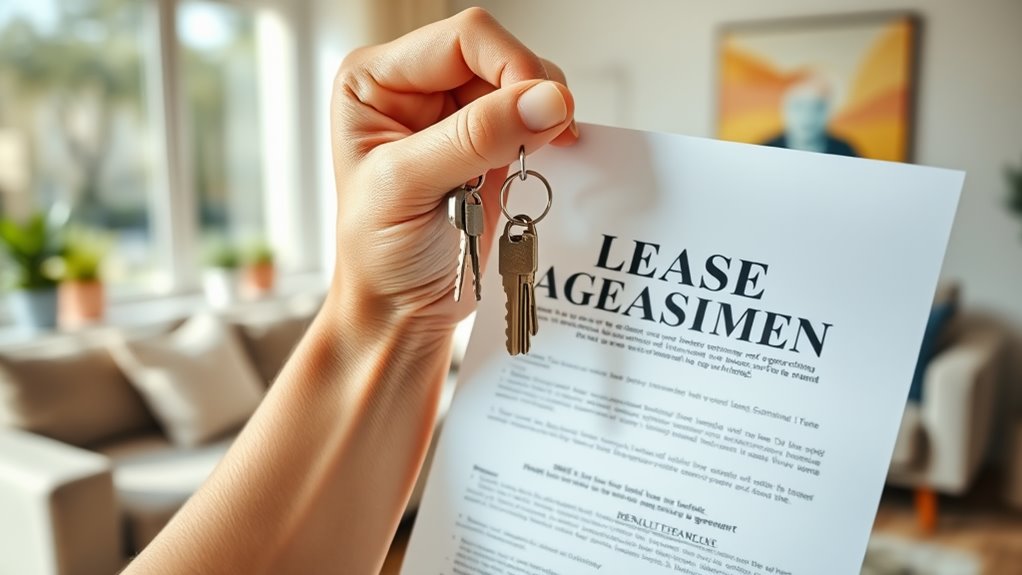
What Every Renter Should Know About Lease Agreements
Comprehending lease agreements is vital for protecting your rights as a renter. First, pay attention to key terms like rent amount, due dates, and late fees. Know the lease duration, whether it's fixed-term or month-to-month, and any penalties for early termination. Familiarize yourself with security deposit policies, including conditions for refunds and responsibilities for damage versus normal wear and tear. Remember your rights, such as the right to a safe environment and timely repairs. With this knowledge, you can navigate potential issues with confidence, and there's plenty more to explore about lease agreements and tenant protections.
Understanding Lease Agreements
Comprehending lease agreements is fundamental for anyone looking to rent a home. When you step into the realm of renting, grasping the different lease types is critical. You might encounter fixed-term leases, where you commit to a specific duration, or month-to-month agreements, offering more flexibility. Knowing these options helps you choose what fits your lifestyle best.
You'll likewise want to be aware of your tenant rights. These rights protect you, ensuring you have a safe and comfortable living environment. For instance, landlords must maintain the property and address any urgent repair needs without delay. You have the right to privacy, meaning landlords can't enter your home without proper notice. Being informed about these rights empowers you to advocate for yourself when needed, nurturing a sense of belonging in your new community.
Additionally, lease agreements usually outline the rules for security deposits, maintenance responsibilities, and conditions for terminating the lease. Pay attention to these details, as they can greatly affect your renting experience. Always read the fine print, and don't hesitate to ask questions if something isn't clear.
In short, grasping lease agreements sets the foundation for a positive renting experience. By familiarizing yourself with lease types and your tenant rights, you're not just signing a document; you're taking a critical step toward making a place truly feel like home.
Key Terms to Look For
When reviewing a lease agreement, you need to pay close attention to key terms that can impact your living situation. Look for details on rent and payment terms, lease duration, and security deposit policies. Comprehending these elements will help you avoid surprises and guarantee a smooth renting experience.
Rent and Payment Terms
Grasping the rent and payment terms in a lease agreement is vital for renters. These terms dictate how you'll handle one of your biggest monthly expenses, so comprehending them can make your living situation more secure and comfortable. First, look for the monthly rent amount. It's critical to know exactly what you'll be paying each month.
Next, pay attention to the payment methods accepted by your landlord. Whether they prefer checks, bank transfers, or online payments, knowing this can save you from confusion and potential late fees. Some landlords may even charge extra if you're late, so familiarize yourself with the specifics of those late fees.
Additionally, check when the rent is due each month. Knowing the due date can help you budget effectively, ensuring you have the funds ready when it's time to pay.
Lastly, ask about any penalties for missed payments or bounced checks. This knowledge can keep you from facing unexpected costs and helps you maintain a positive relationship with your landlord. By grasping these key terms, you'll feel more at home in your rental space.
Lease Duration Details
Grasping the lease duration is just as significant as knowing the rent and payment terms. When you're settling into a new place, realizing how long your lease lasts can provide you with a sense of stability. Typically, leases range from six months to a year, but you might likewise come across month-to-month agreements.
Pay attention to the renewal options, as these can give you flexibility if you love living in your new home. Some leases automatically renew unless you give notice, whereas others might require you to renegotiate terms. It's vital to know what you're comfortable with before signing.
Furthermore, consider the early termination clauses. Life can be unpredictable, and having a clear awareness of what happens if you need to leave before your lease ends can save you from potential headaches. Some leases may allow early termination for specific reasons, while others might impose hefty fees. By knowing these details, you can make informed decisions that align with your lifestyle and future plans. Being aware of your lease duration details safeguards your interests and helps you feel more at home.
Security Deposit Policies
Many renters overlook the importance of grasping security deposit policies, but it's crucial to know what to expect. Comprehending these policies can help you feel secure in your rental situation, guaranteeing you're well-informed about your rights and responsibilities.
First, look for the specifics surrounding security deposit refunds. Your lease should clearly state the amount you'll pay and the conditions under which you can expect your deposit back when you move out. Familiarize yourself with the timeline for refunds—most states require landlords to return deposits within a specific period after your lease ends.
Next, pay attention to any clauses that might lead to security deposit disputes. Knowing what constitutes damage versus normal wear and tear can save you headaches later. If the lease mentions deductions for cleaning or repairs, ask for clarification so you won't be caught off guard.
Finally, verify there's a process in place for resolving disputes. Whether it's mediation or another method, having a clear path can make all the difference in protecting your rights as a renter. By grasping these key terms, you'll be better prepared for a smooth rental experience.
Security Deposits Explained
Security deposits are typically a standard part of rental agreements, serving as a financial safeguard for landlords against potential damages or unpaid rent. As a renter, comprehending the ins and outs of security deposits can help you feel more secure in your living situation. There are various security deposit types, such as a standard deposit, which is usually equal to one month's rent, and pet deposits, which may be required if you have furry friends.
When you sign your lease, you'll want to clarify the specific terms regarding the security deposit. This includes knowing how much you're required to pay, the conditions under which the deposit may be withheld, and the timeline for its return after you move out. Keeping communication open with your landlord will help guarantee you're on the same page.
Security deposit disputes can arise, often related to deductions for damages or cleaning costs. To avoid these conflicts, document the condition of the property when you move in. Take photos and make a detailed checklist. This way, you'll have evidence to support your case if any disputes emerge when you're ready to get your deposit back.
Maintenance Responsibilities
After grasping the terms surrounding security deposits, it's important to clarify maintenance responsibilities in your lease agreement. Knowing who's responsible for what can save you from future headaches and guarantee your living space remains comfortable and safe.
Your lease should clearly outline both your tenant obligations and those of your landlord. Typically, landlords are responsible for major repairs and maintaining the overall habitability of the property. Conversely, you'll likely need to handle minor maintenance tasks. Here's a quick reference table to help you grasp typical maintenance responsibilities:
| Responsibility | Tenant Responsibilities | Landlord Responsibilities |
|---|---|---|
| Routine Cleaning | Keep the unit clean | N/A |
| Minor Repairs | Fix leaky faucets | Major structural repairs |
| Maintenance Requests | Report issues without delay | Address requests in a timely manner |
| Appliance Issues | Maintain and clean appliances | Repair or replace malfunctioning appliances |
| Pest Control | Keep the unit pest-free | Handle infestations |
When you submit maintenance requests, be specific about the issue. This not only helps your landlord address it quickly but additionally shows you're proactive about your living environment. Remember, keeping open communication with your landlord is key. Comprehending these responsibilities cultivates a greater sense of belonging in your new home, empowering you to create a space you love.
Lease Duration and Termination
Comprehending lease duration and termination is crucial for renters who want to guarantee stability and flexibility in their living arrangements. A lease typically outlines the length of your commitment, often ranging from six months to a year. Knowing your lease's duration helps you plan your next steps and understand your rights and responsibilities.
When considering your lease, keep these key points in mind:
- Lease Duration: Understand how long you're agreeing to stay and what that means for your financial commitments.
- Lease Renewal Options: Some leases include options to renew; make sure you know if you'll have the chance to extend your stay.
- Early Termination: Familiarize yourself with the conditions under which you can terminate your lease early, as breaking a lease can lead to penalties.
- Notice Period: Most leases require you to give notice before you move out. Knowing this timeline can help you avoid misunderstandings.
- Consequences of Non-compliance: Be aware of what could happen if you don't follow the lease terms, such as losing your security deposit or facing legal action.
Rights and Responsibilities of Renters
As a renter, it's important to comprehend your rights and responsibilities to promote a positive living experience. Knowing your tenant rights helps you feel secure in your home. You have the right to a safe and habitable space, protection against discrimination under fair housing laws, and proper notice before any entry by your landlord.
Your responsibilities as a tenant include paying rent on time, keeping the property clean, and respecting your neighbors. It's also significant to submit repair requests without delay, guaranteeing your living space remains in good condition. Addressing maintenance issues quickly can prevent larger problems down the line.
When you enter into rental agreements, you engage in a lease negotiation that should clarify these rights and responsibilities. Make certain you read the lease carefully and ask questions if anything is unclear. This comprehension can be fundamental in avoiding disputes later on.
If issues arise, such as a landlord failing to address repairs or invading your tenant privacy, document everything. Knowing the eviction process is important; it protects you from wrongful eviction and guarantees you have time to respond if your landlord takes action against you.
Ultimately, being informed about your rights and responsibilities allows you to advocate for yourself and encourage a respectful landlord-tenant relationship. Embrace this knowledge; it empowers you to create a living situation where you truly feel at home.
Frequently Asked Questions
Can I Negotiate Lease Terms Before Signing?
Yes, you can negotiate lease terms before signing. Approach the landlord with clear negotiation tactics, and express your need for lease flexibility. Highlight your reliability as a tenant, and don't hesitate to ask for changes that suit your lifestyle, like a lower rent or longer lease duration. Building a rapport can help create a sense of belonging, making it easier to reach an agreement that works for both you and the landlord.
What Happens if I Break My Lease Early?
Did you know that nearly 50% of renters break their lease early? If you find yourself in this situation, you could face lease termination fees or even early eviction. Landlords typically require you to pay the remaining rent until a new tenant moves in. It's essential to communicate with your landlord, as they might negotiate terms or help you find someone to take over the lease. Always read your lease carefully to avoid surprises!
Are Verbal Agreements Legally Binding in Leases?
Verbal agreements can be tricky regarding leases. Although they might feel binding in a conversation, they're often hard to prove later on. Most landlords and tenants rely on written contracts to clarify terms and protect their rights. If you're counting on a verbal agreement, it's best to get it in writing to avoid misunderstandings. You want to guarantee you're both on the same page and secure your living situation.
How Can I Ensure My Security Deposit Is Returned?
To guarantee you get your security deposit back, schedule a move-out inspection with your landlord. That way, you can address any issues before leaving. Clean your space thoroughly, document its condition with photos, and keep receipts for any repairs you made. Communicate openly with your landlord about your intentions, and make certain you return keys quickly. Taking these steps creates trust and helps you feel more connected to your living space.
Can My Landlord Raise Rent During the Lease?
Your landlord can't typically raise your rent during the lease except if it's specified in your agreement. If they plan to do so, they must provide you with a rent increase notice, usually 30 days in advance. Nevertheless, if your lease allows for market rate adjustments, they might change it based on current market conditions. Always read your lease carefully to understand your rights and how potential increases are handled.