What to Look for When Touring a New Home
When touring a new home, start by evaluating the layout for ease of movement and room proportions. You want spaces that feel functional yet comfortable. Next, review neighborhood amenities like parks, schools, and shopping options, which can greatly improve your living experience. Don’t forget to inspect the structural integrity; check for any signs of damage or repairs. Reflect on the future resale value by staying informed on local market trends. Finally, look for energy-efficient features that can save you money. There’s a lot to contemplate, and you’ll discover even more insights to help you make the best choice. Additionally, consider how potential renovations could enhance the property’s appeal and functionality. Researching the best renovations for home value can provide insights into what updates will yield the highest returns. Common upgrades, such as modern kitchens or outdoor spaces, often resonate well with future buyers, making them worthwhile investments to contemplate during your evaluation.
Assessing the Layout
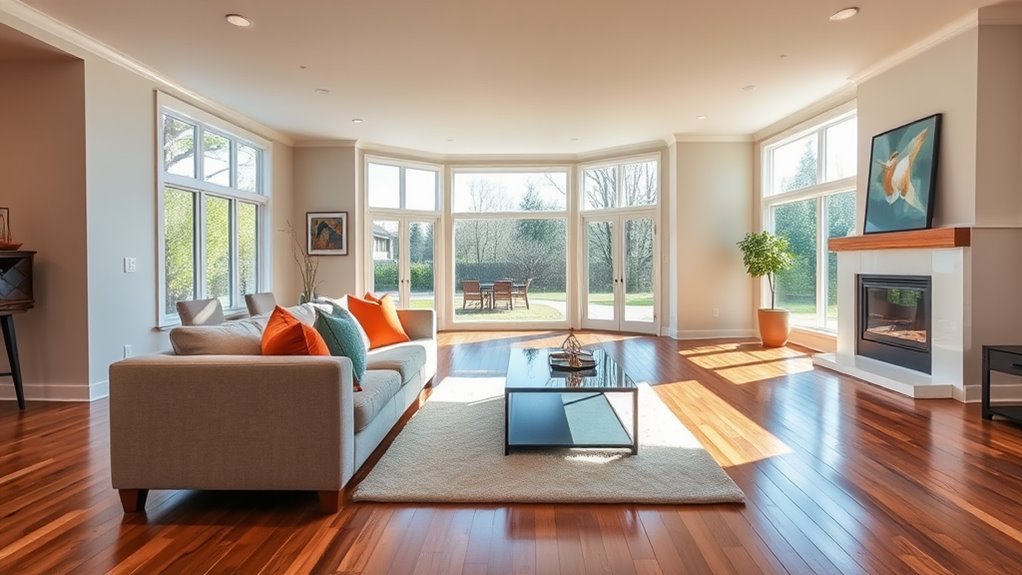
When you step into a new home, evaluating the layout is crucial, as it can greatly influence your daily living experience. You want to make certain that the space feels welcoming and functional, matching your lifestyle and the needs of those you share it with. Start by considering the traffic flow—how people will move through the space. Is it easy to navigate from one room to another, or do you find yourself bumping into furniture and walls? A well-thought-out layout allows for smooth shifts, making it easier to host friends and family or simply enjoy your daily routine.
Next, take a close look at the room proportions. Are the rooms spacious enough to accommodate your furniture and activities? You'll want to envision how each area will serve your needs, whether it's a cozy living room for family gatherings or a bright kitchen for cooking and connection. If the proportions feel off, it can create a sense of discomfort and limit your ability to personalize the space.
As you assess the layout, keep in mind how each element contributes to the overall atmosphere of the home. You want to create a sanctuary where you feel a sense of belonging and ease. By focusing on traffic flow and room proportions, you can make certain that your new home not just meets your practical needs but also cultivates a warm and inviting environment for you and your loved ones.
Evaluating Neighborhood Amenities
Neighborhood amenities play a crucial role in improving your living experience. When you're touring a new home, take a moment to evaluate the surrounding area. A lively community can make all the difference in how you feel about your new space. Here are three key aspects to reflect on:
- Parks and Recreation: Access to parks is important for relaxation and outdoor activities. Look for well-maintained green spaces where you can enjoy nature, walk your dog, or have a picnic with friends. Recreational facilities like sports fields or playgrounds can also cultivate a sense of community.
- Local Schools: If you have children or plan to in the future, check out the local schools. Quality education is a priority for many families, so research the school district's ratings and available programs. Being close to reputable schools can improve your home's value and provide peace of mind.
- Shopping Options and Public Transportation: Convenience matters. Explore the nearby shopping options, from grocery stores to boutiques. Having everything you need close by saves time and makes daily life easier. Furthermore, assess the availability of public transportation. Easy access to transit can simplify commutes and connect you to the broader community.
Inspecting Structural Integrity
After considering the amenities around your potential new residence, it's time to focus on the structure itself. You want a space where you can feel safe and comfortable, and that starts with inspecting the home's structural integrity. Begin with the foundation stability. Look for cracks in the walls or uneven floors, as these can indicate underlying issues. A solid foundation is vital for long-term safety and comfort, so don't hesitate to ask the seller or your agent about previous repairs or inspections.
Next, turn your attention to the roof condition. Check for missing shingles, sagging, or signs of water damage inside the home. A well-maintained roof not just protects your investment but also contributes to the overall energy efficiency of the house. If you notice any red flags, it is worth seeking a professional opinion before making a commitment.
While you're inspecting, pay attention to doors and windows as well. They should open and close smoothly without gaps, making sure that your home is sealed against the elements. This can greatly affect your comfort and utility bills.
Finally, trust your instincts. If something feels off, it's important to dig deeper. Ask questions and gather as much information as you can. A home is more than just a structure; it's where you'll create memories and build a life. Prioritizing structural integrity guarantees that you're making a sound decision for your future.
Understanding Future Resale Value
Grasping future resale value is crucial for any homebuyer looking to make a wise investment. Comprehending what drives resale value can help you choose a home that not just feels right but also stands the test of time. Here are three key factors to evaluate:
- Market Trends: Stay updated on local real estate trends. If a neighborhood is on the rise, your home's value is likely to increase. Research recent sales and future developments that could impact the area.
- Buyer Demographics: Identify who's buying in your desired area. Are young professionals flocking to the neighborhood, or is it popular among families? Grasping the demographics can help you predict what types of homes will be in demand when it's time to sell.
- Home Features: Certain features appeal to future buyers. Open floor plans, modern kitchens, and outdoor spaces often attract more interest. Make sure your potential home has characteristics that align with what today's buyers are looking for.
Considering Energy Efficiency
When searching for a new home, considering energy efficiency can greatly impact your comfort and savings. You want a place that feels like yours, and eco-friendly features can improve that sense of belonging as you keep your utility bills in check. Homes with energy-efficient windows, proper insulation, and modern heating and cooling systems not just reduce environmental impact but likewise create a cozy atmosphere for you and your family.
Before making a decision, think about scheduling an energy audit. This assessment can identify how well the home uses energy and pinpoint areas that might need improvement. You'll get a clearer picture of the home's efficiency and potential costs for upgrades, helping you make an informed choice.
Look for eco-friendly features such as solar panels, energy-efficient appliances, and programmable thermostats. These elements can contribute to a sustainable living environment and provide you with long-term savings. Picture knowing your home is not merely a shelter but also a responsible part of the community.
As you tour, pay attention to the little things that make a big difference. Check for LED lighting, water-saving fixtures, and even the type of landscaping; native plants can greatly reduce water usage. By focusing on energy efficiency, you're not just investing in a house but also choosing a lifestyle that values sustainability and comfort. Make your new home a sanctuary that aligns with your values and improves your sense of belonging.
Frequently Asked Questions
What Is the History of the Home's Previous Ownership?
When you're curious about a home's history, previous owners can reveal a lot. You should check property records to uncover details about past ownership, including how long each owner stayed and any renovations they made. This information can help you feel more connected to the space and understand its story. Knowing the home's history can cultivate a sense of belonging, making it easier to envision your future there.
Are There Any Known Issues With Pests or Wildlife?
When you're exploring a new space, it's wise to ask about any "uninvited guests." A thorough pest inspection can reveal hidden surprises, ensuring your cozy haven stays enjoyable. Some homes might have stories of mischievous critters or the need for wildlife management, which can affect your peace of mind. Let's face it, a comfortable home is one where you feel safe and secure, free from any unexpected company lurking in the shadows.
What Are the Local School Ratings and Options?
When you're considering a new home, checking local school ratings and options is crucial. You'll want to know about school enrollment numbers and the variety of educational programs available. Strong schools can promote a sense of community and belonging for your family. Explore how well the schools perform and the extracurricular activities they offer, as these elements can greatly influence your children's growth and integration into the neighborhood.
How Is the Noise Level in the Neighborhood?
When you're evaluating the noise level in the neighborhood, pay attention to traffic patterns during different times of the day. You'll want to notice how busy the streets get and if it affects your peace. Additionally, consider community activities; if there are events or gatherings, they can create lively sounds that might be part of the charm. It's all about finding a balance that makes you feel connected and comfortable in your new home.
What Are the Local Zoning Laws and Regulations?
Ah, zoning laws—those delightful rules that make you feel like you're in a bureaucratic sitcom! You'll want to check the zoning classifications in your area to verify you can actually live how you want. Don't forget to ask about property setbacks; you wouldn't want your dream patio to be a legal nightmare! Comprehending these regulations can make you feel like a savvy homeowner who knows the lay of the land, literally!