How Demographic Changes Are Shaping Our Future
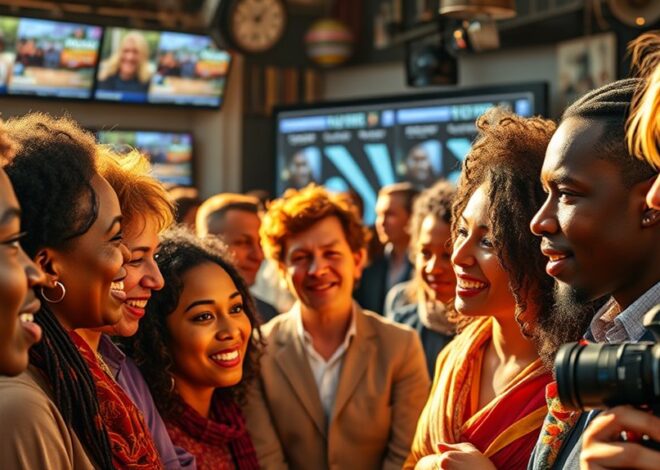
Demographic changes are profoundly reshaping our world, driving far-reaching transformations in the economy, culture, workforce, migration patterns, and healthcare systems. Global population aging is impacting economic growth, whereas urbanization is creating unique social challenges. Shifts in cultural identity formation are redefining traditional categories, and technological progress is transforming the nature of work. Migration patterns are evolving, and healthcare systems are under pressure from an influx of migrants and an aging workforce. As these changes continue to unfold, grasping their interconnected implications will be vital for building a sustainable future, and exploring these trends further reveals the complexity of the challenges ahead.
Aging Populations and Economic Growth
As the global population ages, a profound shift is underway, with far-reaching implications for economic growth, as the traditional workforce dwindles and the burden of supporting retirees increasingly falls on a shrinking pool of working-age individuals. This demographic change poses significant challenges to sustainable economic growth, as the ratio of dependents to workers continues to rise.
One of the most pressing concerns is the escalating healthcare costs associated with an aging population. As people live longer, they require more medical care, leading to increased healthcare expenditures. This places a substantial burden on governments, businesses, and individuals, diverting resources that could be invested in other areas of the economy. Additionally, the rising healthcare costs can lead to increased taxes, reduced disposable income, and decreased consumer spending, ultimately affecting economic growth.
Effective retirement planning is critical in addressing the challenges posed by an aging population. Governments and individuals must prioritize saving and investing for retirement to establish a sustainable income stream for retirees. This can be achieved through policies that promote retirement savings, such as tax incentives and automatic enrollment in retirement plans. Ultimately, individuals must take proactive steps to plan for their retirement, including setting aside a portion of their income and investing in a diversified portfolio. By addressing the challenges posed by an aging population, we can lessen the impact on economic growth and secure a more stable financial future for generations to come.
Urbanization and Its Social Impact
As the world's population becomes increasingly urbanized, cities are experiencing unprecedented growth rates, with many metropolitan areas struggling to cope with the influx of new residents. This rapid urbanization is giving rise to a unique set of social challenges, including increased housing costs, strained infrastructure, and heightened social tensions. Additionally, distinct migration patterns are emerging, with certain cities attracting specific demographics, further exacerbating the social implications of urbanization.
City Population Growth Rates
Rapid urbanization is transforming the demographic landscape of cities worldwide, with population growth rates in metropolitan areas surpassing those of their rural counterparts. This phenomenon is driven by the promise of better economic opportunities, improved living standards, and access to amenities. As cities continue to grow, effective city planning and infrastructure development become essential to accommodate the influx of people.
| City | Population Growth Rate (2015-2020) |
|---|---|
| Tokyo, Japan | 0.6% |
| New York City, USA | 0.8% |
| Mumbai, India | 2.1% |
| Sao Paulo, Brazil | 1.3% |
| Shanghai, China | 3.1% |
The table above highlights the varying population growth rates of some of the world's largest cities. Some cities like Tokyo are experiencing modest growth, others like Shanghai are burgeoning with rapid expansion. To support these growing populations, city planners must prioritize infrastructure development, including transportation systems, housing, and public services. By doing so, cities can guarantee a high quality of life for their residents and maintain their competitiveness on the global stage.
Urban Living Challenges Rise
Urbanization's dark underside is increasingly evident, with the concentration of people in cities exacerbating social issues such as overcrowding, housing shortages, and inadequate access to basic services. The rapid influx of people to urban centers has put immense pressure on already strained resources, leading to a severe shortage of affordable housing. This has resulted in a significant portion of the urban population living in substandard conditions, with many forced to reside in informal settlements or slums. Moreover, the increased demand for transportation has led to congestion, pollution, and transportation challenges, making it challenging for people to commute to work, access vital services, and engage in social activities. The lack of adequate infrastructure and services has additionally led to increased social isolation, decreased quality of life, and a rise in urban poverty. As cities continue to grow, it is crucial to address these challenges and develop sustainable solutions to guarantee that urbanization benefits all members of society, rather than exacerbating existing social inequalities.
Migration Patterns Emerge
The migration of individuals from rural to urban areas has led to the emergence of distinct patterns, with certain demographic groups being more likely to move to cities in search of better economic opportunities, education, and healthcare. This shift has significant implications for the global workforce, as cities become hubs for innovation and entrepreneurship. Nevertheless, it also presents challenges, such as increased pressure on urban infrastructure and services.
Notably, the following groups are more likely to relocate to cities:
- Young adults (18-35 years old) seeking improved job prospects and education.
- Refugees and asylum seekers escaping conflict or persecution, contributing to the ongoing refugee crisis.
- Low-skilled workers seeking employment in the service sector.
- Entrepreneurs and innovators looking to tap into urban networks and resources.
As migration patterns continue to evolve, it is crucial to address the social and economic implications of urbanization. This includes investing in infrastructure, providing access to education and healthcare, and promoting inclusive urban planning that caters to the diverse needs of urban residents. By comprehending these migration patterns, we can strive towards creating more sustainable and equitable cities that benefit both migrants and long-term residents alike.
Shifts in Cultural Identity Formation
The gradual erosion of traditional cultural boundaries has given rise to a complex and dynamic terrain of identity formation. As demographics continue to shift, individuals are reevaluating their racial, ethnic, and national affiliations, leading to a redefinition of what it means to belong. This transformation is multifaceted, encompassing changes in racial identity, reconfigurations of ethnic ties, and novel perspectives of national identity.
Racial Identity Evolution
Shifting demographics and increased racial diversity are redefining traditional notions of cultural identity, as individuals increasingly embrace fluid and hybrid identities that transcend traditional racial categories. This evolution is driven by the growing awareness of the limitations and constraints of traditional racial categories, which often fail to capture the complexity and diversity of individual experiences.
As a result, we are witnessing a shift towards more nuanced and multifaceted insights into identity, which recognize the intersections of race, ethnicity, gender, and other social categories. This shift is reflected in the rise of identity politics, which emphasizes the importance of racial representation and recognition in shaping individual and collective identities.
Some key features of this racial identity evolution include:
- Hybrid identities: Individuals are embracing multiple racial and ethnic identities, which challenge traditional notions of racial purity and exclusivity.
- Intersectionality: The recognition of the intersections of race, gender, class, and other social categories in shaping individual experiences and identities.
- Racial ambiguity: The increasing visibility of individuals who do not fit neatly into traditional racial categories, such as mixed-race individuals or those who identify as multiracial.
- Decentering whiteness: A shift away from the dominant norms and values of whiteness, towards a more inclusive and diverse perspective of cultural identity.
This evolution has significant implications for our insight into identity, community, and belonging in a swiftly changing world.
Ethnic Ties Redefined
As individuals increasingly embrace fluid and hybrid identities, cultural identity formation is being redefined, with ethnic ties playing a critical role in shaping a sense of belonging and community. This shift is driven by the growing racial diversity of modern societies, where cultural assimilation is no longer a one-way process. Instead, ethnic groups are maintaining their unique cultural practices while still integrating into the broader community.
The rise of ethnic enclaves, where individuals from similar ethnic backgrounds congregate, is a manifestation of this trend. These enclaves serve as incubators for cultural preservation and innovation, allowing individuals to express their ethnic identity whilst still engaging with the wider society. Community integration is facilitated through these enclaves, as they provide a platform for intercultural exchange and collaboration. As a result, ethnic ties are being redefined, moving beyond traditional notions of nationality and in a direction that fosters a more nuanced grasp of cultural identity. This shift has significant implications for how we approach community building, social cohesion, and cultural policy in the face of demographic change.
Nationality Reimagined
One significant consequence of the blurring of cultural boundaries is that traditional notions of nationality are giving way to more fluid and multifaceted identities. As people move across borders, cultural exchange and intermarriage become more common, and the idea of a fixed national identity begins to dissolve. This shift is driven by increasing cultural assimilation, as individuals adapt to new environments and adopt new cultural practices.
The rise of global citizenship further accelerates this trend, as people begin to identify with global values and communities rather than solely with their nation of origin. This is reflected in the following ways:
- Multiple passports: Many individuals now hold multiple passports, blurring the lines between national allegiances.
- Transnational networks: People are forming connections across borders, creating global communities that transcend national boundaries.
- Cultural fusion: Cultural practices and traditions are being blended and reinterpreted, giving rise to new forms of cultural expression.
- Global identity: Individuals are identifying as global citizens, prioritizing shared human values over national loyalties.
As a result, traditional notions of nationality are being reimagined, giving way to more complex and nuanced identities that reflect the changing nature of our globalized world.
The Future of Work and Skills
Driven by technological progress and demographic changes, the nature of work is undergoing a profound transformation, necessitating a radical reassessment of the skills required to thrive in the modern workforce. The rapid pace of technological progress is leading to job automation, rendering traditional skills obsolete. As a result, workers must adapt to remain relevant in the job market.
In this new work environment, digital skills have become crucial for success. The shift in the direction of remote work has accelerated, and professionals must be proficient in digital tools and platforms to collaborate and communicate effectively. The ability to work remotely has furthermore opened up new opportunities for people to participate in the workforce, irrespective of geographical location. Nevertheless, this shift also presents challenges, such as the need for continuous learning and upskilling to stay ahead of the automation curve.
To thrive in this setting, workers must develop skills that are complementary to technology, such as critical thinking, creativity, and emotional intelligence. They must also be adaptable, resilient, and able to navigate ambiguity and change. As the nature of work continues to evolve, it is pivotal for individuals, educators, and policymakers to work together to develop the skills required for success in the modern workforce. By doing so, we can also ensure that workers are equipped to navigate the challenges and opportunities presented by technological progress and demographic changes. Moreover, incorporating the latest education reforms overview into training programs can help align educational outcomes with the skills needed in the workforce. This alignment will not only enhance employability but also foster a culture of lifelong learning that encourages continuous skill development. By prioritizing these reforms, we can create a more agile workforce ready to meet the demands of a rapidly changing job market.
Migration Patterns and Border Control
Shifting demographic trends, fueled by economic disparities, political instability, and environmental degradation, are reshaping migration patterns and prompting a reevaluation of border control strategies. As a result, governments are grappling with the complex challenges of balancing humanitarian obligations with national security concerns.
Effective border management is critical in addressing the refugee crisis, providing humanitarian aid, and ensuring the safety and dignity of migrants. Yet, the current situation is marked by conflicting priorities, inadequate resources, and inefficient systems. To address these challenges, governments must adopt a holistic approach that incorporates the following key elements:
- Reinforced border security: Implementing advanced technologies, such as biometric identification and surveillance systems, to improve the detection and prevention of illegal crossings.
- Simplified immigration reform: Developing clear and efficient pathways for legal immigration, including measures to attract skilled workers and address labor shortages.
- Boosted humanitarian aid: Providing critical support to refugees and asylum seekers, including access to healthcare, education, and social services.
- Global cooperation: Nurturing collaboration and information sharing among governments to address the root causes of migration and develop collective solutions.
Healthcare Systems Under Pressure
As the influx of migrants and refugees continues to strain national resources, the healthcare systems of receiving countries are facing unprecedented pressure to accommodate the unique needs of these vulnerable populations. The sheer volume of new arrivals has created significant challenges in providing adequate healthcare access, particularly in areas with already overstretched resources. Language barriers, cultural differences, and diverse health needs have further complicated the situation, making it vital for healthcare providers to adapt and innovate to meet the demands.
The impact of demographic changes on healthcare systems is not limited to migrant and refugee populations. An aging workforce is also contributing to the pressure, as many healthcare professionals are nearing retirement age. This has led to concerns about the sustainability of healthcare systems, as there may not be sufficient skilled workers to replace those retiring. Moreover, an aging population is likely to require more healthcare services, placing additional strain on already burdened systems.
To address these challenges, healthcare systems must prioritize accessibility, cultural sensitivity, and workforce planning. This may involve investing in language training for healthcare professionals, developing culturally customized health programs, and implementing strategies to attract and retain a diverse workforce. By acknowledging the impact of demographic changes on healthcare systems, we can work towards creating more resilient and responsive systems that meet the needs of all populations, regardless of age, background, or circumstance.
Frequently Asked Questions
How Will Demographic Changes Affect the Environment and Sustainability?
Quickly changing demographics will heavily influence the environment and sustainability. As the global population ages and urbanizes, environmental impact will escalate, straining natural resources and worsening sustainability challenges. Increased energy consumption, waste production, and pollution will arise from growing urban centers, whereas aging populations may lead to reduced environmental concern and action. Mitigating these effects necessitates forward-thinking policies and individual actions that prioritize sustainability and environmental stewardship.
Will Demographic Shifts Lead to More Social Cohesion or Conflict?
As demographics shift, societies face an important juncture: will diversity nurture social unity or ignite cultural conflict? On one side, heightened diversity can bring distinct viewpoints, inspiring creativity and development. Conversely, cultural distinctions can result in misinterpretations, escalating tensions and discord. Effective policies and inclusive practices are essential in promoting social unity, ensuring that diverse populations coexist harmoniously and utilize the advantages of demographic change.
Can Technology Replace Human Workers in the Face of Labor Shortages?
'The old adage 'necessity is the mother of invention' rings true as labor shortages spark concerns about automation replacing human workers. Although technology can augment certain tasks, it's unlikely to fully supplant human workers. Instead, the automation impact will necessitate workforce adaptation, driving the need for skills training that focuses on emerging technologies. This shift will create new future employment opportunities, ensuring humans remain an integral part of the workforce.'
How Will Changing Demographics Impact the Housing Market and Availability?
The changing demographics of aging populations and urbanization are greatly impacting the housing market and availability. As cities undergo expansion, urban sprawl rises, and rental affordability becomes a pressing concern. Meanwhile, gentrification pressures endanger to displace low-income communities. To address these issues, policymakers must prioritize affordable housing initiatives, exploring innovative solutions to guarantee that housing supply meets the diverse needs of a changing population.
Will Demographic Changes Lead to a Shift in Global Political Power?
A tidal wave of demographic changes is poised to reshape the global political terrain. As populations shift, a seismic rebalancing of influence dynamics is imminent. The economic implications of aging populations in the West and youth bulges in emerging markets will greatly influence international relations. Cultural integration will become a critical factor in determining which nations will thrive and which will struggle to adapt, eventually leading to a noteworthy shift in global political influence.

Related Posts
Why Understanding the Context Matters in Today’s News

The Power of Curiosity in Uncovering Hidden Stories