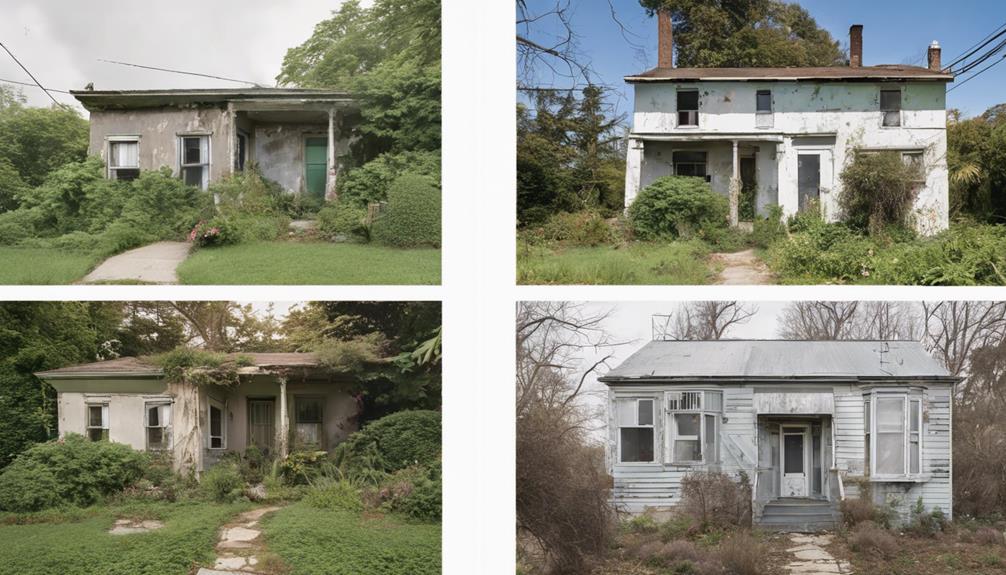
The Pros and Cons of Buying a Fixer-Upper
You're considering purchasing a fixer-upper, and that's a bold step, one that can either lead to a dream home or a financial nightmare. On the plus side, you can save tens of thousands of dollars, personalize every aspect of the property, and potentially sell for a profit. Nonetheless, be prepared for hidden costs, renovation stress, and unforeseen delays. You'll need to navigate permit and inspection challenges, budget for surprises, and avoid DIY risks. By weighing these pros and cons, you'll make a more informed decision. Now, get ready to immerse yourself in the details that can make all the difference.
Potential for Huge Savings
By acquiring a fixer-upper, you can potentially save tens of thousands of dollars compared to buying a comparable move-in ready home. This significant cost difference can be a huge advantage, especially for first-time homebuyers or those on a tight budget. Nevertheless, it's important to acknowledge that this savings comes with renovation challenges. You'll need to invest time and effort into transforming the property into your dream home. But, this process can also be a source of design inspiration, allowing you to put your personal touch on every aspect of the house.
While there are financial risks involved in buying a fixer-upper, such as unexpected repair costs or delays, the long-term benefits can far outweigh the initial investment. With a little patience and elbow grease, you can increase the property's value and enjoy a significant return on investment. Additionally, you'll have the satisfaction of knowing that you've created a home that truly reflects your personality and style.
It's important to weigh the pros and cons carefully and consider your financial situation, renovation skills, and tolerance for uncertainty before taking the plunge. But for those who are willing to put in the work, the potential for huge savings can be a game-changer. By doing so, you can own a beautiful home that you can be proud of, without breaking the bank.
Customization and Creative Freedom
You'll have the unique opportunity to put your personal stamp on every aspect of the property, from the color of the walls to the type of flooring, allowing you to create a truly one-of-a-kind living space that reflects your individual style and taste. With a fixer-upper, you're not limited by someone else's design choices or aesthetic. You're free to express yourself through unique design elements, injecting your personality into every corner of the property.
This level of renovation freedom is a dream come true for many homeowners. You can turn a blank canvas into a masterpiece that showcases your artistic expression. From the layout of the rooms to the fixtures and appliances, every decision is yours to make. You can incorporate eco-friendly features, smart home technology, or bespoke details that make the space truly yours.
As you bring your vision to life, you'll add a personal touch to every aspect of the property. Whether you're a fan of modern minimalism or vintage charm, you can curate a space that tells your story. With a fixer-upper, the possibilities are endless, and the sense of accomplishment you'll feel when it's complete is immeasurable. So, don't be afraid to think outside the box and let your creativity shine. The result will be a home that's a true reflection of you – a one-of-a-kind sanctuary that you'll love for years to come.
Opportunity for Resale Profit
When you buy a fixer-upper, you're not just getting a place to live – you're getting an investment opportunity. If you're willing to put in the work, you can uncover hidden value and resell the property for a profit. By doing so, you'll be flipping a house that was once undervalued into a hot commodity that buyers will be keen to snap up.
Hidden Value Potential
One of the most significant advantages of purchasing a fixer-upper is that it offers a concealed value potential, allowing you to acquire a property at a lower price and then enhance its value through renovations, eventually leading to a substantial resale profit.
When you buy a fixer-upper, you're not just purchasing a property – you're purchasing an opportunity to reveal its hidden value. With some TLC and strategic renovations, you can transform a diamond in the rough into a stunning gem that commands a higher price tag.
Here are some benefits to take into account:
- Renovation challenges, potential rewards: By taking on renovation challenges, you can reap significant rewards in relation to increased property value.
- Investment risks, hidden gems: Fixer-uppers often come with investment risks, but they can also conceal hidden gems, such as original architectural features or unique design elements, that can increase their value.
- Customization: You have the freedom to personalize the property to your liking, which can increase its value and appeal to potential buyers.
- Sweat equity: By putting in the effort to renovate the property, you can build sweat equity and increase its value without spending a fortune.
Flipping for Profit
Flipping a renovation project for profit can be a profitable endeavor, as it allows you to purchase at a low price, renovate wisely, and sell at a higher price, potentially earning a significant resale profit. When done correctly, flipping can be a great way to generate income, but it's crucial to be mindful of the potential pitfalls. One common error is making renovation blunders that can dig into your profit margin. It's vital to establish a realistic budget and timeline to avoid costly overruns. Moreover, you need to keep abreast of market trends to make sure you're renovating with the right features and style to attract potential buyers. If you can navigate these challenges, flipping a renovation project can be a savvy investment strategy. By conducting your research, being ready to put in the effort, and making wise renovation choices, you can enhance the value of the property and sell it for a handsome profit. With the right strategy, flipping a renovation project can be a profitable endeavor that positions you for long-term financial success.
Possibility of Hidden Costs
As you immerse yourself in the renovation process, you'll likely uncover hidden costs that weren't immediately apparent during the initial walk-through. Renovation surprises can be overwhelming, and it's important to be prepared for the unexpected. Budgeting challenges arise when you're faced with unforeseen expenses that can quickly add up.
Here are some common hidden costs to watch out for:
- Structural damage: Hidden structural issues, such as termite damage or foundation problems, can be expensive to repair.
- Asbestos or lead removal: Removing hazardous materials like asbestos or lead can be a costly and time-consuming process.
- Electrical or plumbing issues: Outdated electrical systems or plumbing problems can require significant upgrades, adding to your overall expenses.
- Permit fees and inspections: Obtaining necessary permits and undergoing inspections can be a hidden cost that accumulates quickly.
To mitigate these budgeting challenges, it's important to pad your renovation budget by 10-20% to account for unexpected expenses. Additionally, work with a reputable contractor who can help identify potential issues early on, and prioritize your renovation tasks to make sure you're tackling the most important repairs first. By being proactive and prepared, you can minimize the financial impact of hidden costs and stay on track with your fixer-upper project.
Renovation Stress and Hassles
As you take on a fixer-upper, you'll likely face a range of stressors that can test your patience and budget. You'll encounter unforeseen construction delays that'll push back your move-in date, permitting and inspection issues that'll add to your frustration, and surprise expenses that'll blow your budget. By grasping these potential headaches, you can better prepare yourself for the renovation process and make more informed decisions along the way.
Unforeseen Construction Delays
You'll likely encounter unforeseen construction delays that can quickly turn your dream renovation into a nightmare of renovation stress and hassles. These unexpected setbacks can throw off your construction timelines, causing frustration and anxiety.
Here are some common unforeseen obstacles that can cause delays:
- Structural damage: Hidden structural issues can be a major roadblock, requiring costly repairs and adding weeks to your project timeline.
- Material shortages: Supply chain disruptions or material unavailability can slow down your project, forcing you to find alternative solutions.
- Labor issues: Contractor no-shows, worker shortages, or labor disputes can bring your project to a grinding halt.
- Design changes: Mid-project design revisions can require re-permitting, re-inspection, and re-work, adding time and expense to your project.
To minimize the impact of these delays, it's crucial to have a solid project management plan in place. This includes building contingencies into your timeline, establishing open communication with your contractor, and having a flexible budget. By being prepared for the unexpected, you can reduce renovation stress and hassles, and get your dream home back on track.
Permitting and Inspection Issues
Obtaining necessary permits and passing inspections can be a frustrating and time-consuming process, especially when issues arise that stall your project's progress. You'll need to navigate permitting challenges, such as submitting plans and waiting for approval, which can be a slow and iterative process. Inspection delays can occur if your work doesn't meet code requirements, forcing you to redo the work and wait for re-inspection.
| Permitting and Inspection Issues | Consequences |
|---|---|
| Permitting challenges | Delayed project timeline |
| Inspection delays | Increased costs and rework |
| Legal hurdles | Fines and penalties |
| Property violations | Reduced property value |
| Unclear regulations | Confusion and frustration |
As you work through the permitting and inspection process, you'll need to be aware of legal hurdles, such as zoning laws and building codes, to avoid property violations that can lead to fines and penalties. Moreover, unclear regulations can cause confusion and frustration, leading to further delays. By grasping these potential issues, you can better prepare yourself for the renovation process and minimize the stress and hassle associated with permitting and inspections.
Budgeting for Surprises
Renovating a fixer-upper often means dealing with unforeseen costs that can exceed your budget and intensify renovation stress and challenges. You may believe you've considered every potential expense, but surprises will emerge. To minimize the financial impact, it is crucial to prioritize essentials and budget for unforeseen circumstances.
Here are some tips to help you get ready for renovation surprises:
- Cushion your budget: Allocate 10-20% of your total budget for unforeseen repairs and expenses.
- Identify possible issues: Inspect the property thoroughly before commencing renovation to predict potential problems.
- Develop a contingency plan: Create a plan for how you'll handle unforeseen expenses, such as securing a loan or using savings.
- Prioritize wisely: When confronted with unforeseen expenses, prioritize necessities over luxuries to make sure you're distributing your budget effectively.
Higher Upfront Investment Needed
Purchasing a fixer-upper typically involves investing a substantial amount of money into it upfront, as the property's current condition often requires immediate attention. This means you'll have to allocate a significant portion of your budget to renovation expenses, which can be overwhelming. Nevertheless, it's vital to keep in mind that this initial investment can yield returns in the long term through property appreciation.
When outlining a renovation budget, take into account not just the costs of materials and labor but also the potential return on investment. You'll need to prioritize renovations that will have the greatest impact on the property's value, such as modernizing the kitchen and bathrooms or upgrading outdated electrical and plumbing systems. By concentrating on these key areas, you'll be able to enjoy the advantages of increased property appreciation over time.
Moreover, it's essential to consider the expenses of any required permits, inspections, and professional fees. While these costs may appear to be an additional challenge, they are crucial for ensuring that your renovation is completed safely and in compliance with regulations. By including these costs in your initial planning, you'll prevent costly surprises in the future.
Potential for DIY Disasters
When you take on a fixer-upper, you're likely to be tempted to tackle some renovation tasks yourself, but be warned that DIY disasters can quickly turn your dream project into a nightmare. Engaging in DIY projects can save you money, however, it is crucial to be aware of the potential risks involved. Without proper experience and skills, you may end up causing more harm than good, leading to costly repairs and delays.
Here are some common DIY challenges to watch out for:
- Electrical and plumbing mishaps: Without proper knowledge, you may end up causing electrical shocks or water damage, which can be hazardous and costly to fix.
- Structural damage: Incorrectly removing walls or modifying the floor plan can compromise the structural integrity of your home, leading to costly repairs or even making the property uninhabitable.
- Material selection mistakes: Choosing the wrong materials or using them incorrectly can lead to subpar results, reducing the value of your property and requiring costly replacements.
- Safety risks: Failing to follow safety protocols can put you and others at risk of injury, making it crucial to take necessary precautions and consider hiring professionals for high-risk tasks.
Neighborhood and Location Concerns
When buying a fixer-upper, you’ll want to assess the neighborhood and location carefully. You’re not just purchasing a house, you’re investing in a community, and that means pondering about how proximate you’ll be to amenities like schools, grocery stores, and public transportation. Will you be able to access what you need easily, and are there any local zoning laws that could affect your renovation plans? It’s also essential to consider future development plans in the area, as these can impact property values and your quality of life. Exploring online databases, such as city planning websites, and utilizing neighborhood-specific forums can provide valuable insights. By employing various ways to research neighborhoods effectively, you can make a more informed decision that aligns with your long-term goals and lifestyle preferences.
Proximity to Amenities
Living in a fixer-upper near amenities like grocery stores, schools, and public transportation can greatly improve your daily life. You'll appreciate the convenience and walkability of having necessary services just around the corner. No more long commutes or relying on others for rides – you'll have the freedom to come and go as you please.
Here are some benefits of proximity to amenities:
- Easy access to daily necessities: No more driving miles to get groceries or dropping off kids at school.
- Increased public transportation options: With buses, trains, or bike-share programs nearby, you'll have more ways to get around without a car.
- Enhanced walkability: Stroll to local cafes, parks, or restaurants, and enjoy the fresh air and exercise.
- Boosted property value: Being close to amenities can increase your property's value and appeal to potential buyers if you decide to sell in the future.
Local Zoning Laws
Before signing on the dotted line, you'd be wise to investigate local zoning regulations, which can greatly impact your fixer-upper's potential and your quality of life. These regulations dictate how you can use and develop your property, so it's crucial to comprehend them before making a purchase. For example, you'll want to know the setbacks from your property line, as these can affect your renovation plans. Are you planning to add an extension or a deck? You'll need to make sure you're not encroaching on neighboring properties.
Additionally, if your fixer-upper is located in a historic district, you may face restrictions because of historic preservation laws. These laws can limit your ability to make significant changes to the property's exterior, which could impact your renovation plans and budget. Don't assume you can simply gut the interior and leave the exterior intact – some historic districts have strict rules about maintaining the original façade. By having a good grasp of local zoning regulations, you can avoid costly surprises and guarantee your dream renovation stays on track.
Possibility of Structural Issues
You'll likely need to examine the property carefully, since hidden structural problems can be costly and even risky if left unchecked. When purchasing a fixer-upper, identifying potential issues before they become major headaches is crucial. Here are some common structural concerns to watch out for:
- Foundation problems: Cracks in the walls, uneven floors, or doors that won't shut properly can indicate foundation issues. These issues can be costly to repair, and if ignored, can lead to safety hazards.
- Roof repairs: A damaged or aging roof can result in water damage, mold, and structural weaknesses. Check for missing, curled, or buckled shingles, and inspect the attic for signs of leaks or water damage.
- Termite damage: Termites can cause significant structural damage if left untreated. Look for signs of termite activity, such as mud tubes, discarded wings, or damaged wood.
- Electrical and plumbing issues: Outdated or faulty electrical and plumbing systems can be dangerous and expensive to repair. Look for flickering lights, warm outlets, or leaks under sinks and around toilets.
Unforeseen Delays and Setbacks
During the renovation process, unexpected setbacks can arise, derailing your timeline and blowing your budget, which is why it's important to pad your schedule and finances with contingencies. You'll be grateful for the extra wiggle room when unexpected expenses pop up, as they inevitably will. Effective time management is key to staying on track, but even the most thorough planning can't account for every possible delay.
One common culprit behind setbacks is contractor reliability. If your contractor doesn't show up on time or makes mistakes that need to be corrected, your project timeline will suffer. It's crucial to vet contractors thoroughly before hiring and establish clear communication channels to minimize the risk of miscommunication. Renovation mistakes can be costly and time-consuming to fix, so it's essential to have a plan in place for when things go awry.
To mitigate the impact of unforeseen delays and setbacks, prioritize flexibility and adaptability. Be prepared to adjust your timeline and budget as needed, and don't hesitate to seek professional advice when faced with unexpected challenges. By anticipating potential roadblocks and taking proactive measures to address them, you'll be better equipped to navigate the inevitable ups and downs of the renovation process. Remember, it's not a matter of if things will go wrong, but when – and how you respond will make all the difference.
Frequently Asked Questions
Can I Get a Mortgage for a Fixer-Upper Property?
As it happens, you're not alone in wondering if you can get a mortgage for a fixer-upper property. The good news is, you can! You'll find mortgage options like FHA 203(k) or Fannie Mae Homestyle loans that cover renovation costs. Nevertheless, be aware of limitations, such as higher interest rates or stricter credit score requirements. By factoring in renovation costs and potential savings, you can make an informed decision that works for you.
Do I Need a Permit for Every Renovation Project?
When tackling a renovation project, you'll need to navigate permit requirements, which can be a significant challenge. You're not exempt from getting permits just due to you're doing the work yourself. In fact, it's important to make sure legality considerations are met to avoid costly fines or even demolition. You'll need to determine what permits are necessary for each renovation task, and obtaining them can add time and expense to your project.
Can I Renovate a Fixer-Upper While Living in It?
'You're about to set off on a thrilling adventure, renovating a fixer-upper as you live in it! But be cautious, it's like attempting to navigate an obstacle course while juggling chainsaws. Renovation challenges will appear, but with thorough planning, you can cut expenses by phasing projects and doing it yourself when feasible. Be ready for living conditions to become messy, and think about temporary accommodations to keep your sanity. Stay concentrated, and you'll come out successful with a stunning home that's genuinely yours.'
How Do I Prioritize Renovation Projects With Limited Budget?
You're facing a challenging task: prioritizing renovation projects on a limited budget. Start by creating a budget management plan, allocating funds to crucial projects first. Set a realistic renovation timeline to avoid costly delays. Decide what you can DIY and what requires professional assistance. Focus on high-impact, low-cost projects initially. As you complete each task, reassess and adjust your priorities to make the most of your budget.
Can I Sell a Fixer-Upper Without Renovating It First?
You're wondering if you can sell a fixer-upper without renovating it first. The answer is yes, but it'll impact the selling process. Buyers will likely lowball offers or request credits for renovation costs, reducing your sale price. If you don't renovate, you'll sell at a lower market value. Consider investing in minor renovations to increase appeal and attract more buyers. Weigh the renovation costs against the potential return on investment to make an informed decision.