How to Handle Multiple Offers on Your Home
You're in a coveted position: your home has sparked a bidding war, with multiple offers pouring in. To handle this complex process, start by staying calm and making rational decisions. Carefully assess each offer, weighing pros and cons, and scrutinize factors beyond sale price. Organize details in a spreadsheet to evaluate financial aspects, timeline, and buyer credibility. Identify potential red flags and prioritize factors important to you. By doing so, you'll be well on your way to identifying the best offer and negotiating terms that work for both parties – and that's just the beginning of the path to securing the best deal for your home.
Receiving Multiple Offers: What to Expect
When you list your home for sale, you're likely hoping to receive at least one decent offer, but what happens when multiple buyers start bidding on your property? Suddenly, you're faced with a new challenge: handling multiple offers. This can be an overwhelming experience, especially if you're not prepared.
Handling pressure is vital in this situation. Staying calm and composed is necessary, even when faced with multiple offers that may be tempting. You must make a rational decision, rather than letting emotions get the better of you. Take a step back, assess each offer carefully, and weigh the pros and cons of each. This will help you make an informed decision that aligns with your goals. Furthermore, it’s essential to consider your long-term financial strategy when evaluating these offers. For instance, if one of the offers includes support or resources on how to save for a down payment, it could provide a significant advantage in achieving your home ownership goals. Ultimately, the key is to choose the option that not only meets your immediate needs but also sets you up for future success.
Balancing emotions and financial considerations is fundamental. It's natural to feel attached to your home, but you must separate your emotional connection from the financial aspect of the sale. Consider the financial implications of each offer, including the sale price, closing costs, and contingencies. Don't let emotions cloud your judgment, and focus on making a decision that benefits you financially.
Evaluating Each Bid: Key Factors
Now that you've taken a step back to evaluate the offers, it's time to scrutinize each bid, pondering factors beyond the sale price to determine which one best aligns with your goals. This is where a thorough comparative analysis comes into play. You'll want to create a spreadsheet or table to organize the details of each offer, making it easier to visualize the pros and cons of each.
Start by evaluating the financial aspects of each bid, including the sale price, financing terms, and contingencies. Then, ponder the timeline and flexibility of each offer. Are there any specific closing dates or move-in requirements that need to be met? Are the buyers willing to negotiate or accommodate your needs?
Next, assess the credibility and reliability of each buyer. Have they provided proof of funds or pre-approval letters? Do they have a track record of successful transactions? You'll also want to ponder the type of sale, such as an all-cash offer or a financed deal, and whether there are any potential red flags, like a low appraisal value.
Identifying the Best Offer
You're all set to pinpoint the best offer by evaluating the pros and cons of each bid, taking into account which one most closely aligns with your goals and priorities. This is where you'll delve deeper into the details of each offer, conducting a comprehensive comparison to determine which one is the most appealing. Begin by creating a spreadsheet or table to arrange the essential information from each bid, such as the cost, conditions, financing terms, and closing schedule. This visual tool will assist you in promptly recognizing the strengths and weaknesses of each offer.
While assessing the offers, ask yourself questions like: Which bid is nearest to your desired price? Which one has the least number of conditions? Which buyer is most likely to secure funding? Evaluate the advantages and disadvantages of each offer, and prioritize the factors that are most important to you. For example, if you're aiming for a speedy sale, you might prioritize an offer with a shorter closing schedule. If you're worried about the buyer's funding, you might prioritize an offer with a pre-approval document.
When making your decision, bear in mind that the highest bid isn't always the best offer. Consider the overall package that each buyer is presenting, and select the one that aligns best with your requirements and objectives. By meticulously assessing each offer and considering your choices, you'll be able to choose the finest bid and proceed confidently.
Negotiating the Terms of Sale
With multiple offers on the table, you'll likely need to negotiate the terms of sale to get the best possible deal, so be prepared to engage in a give-and-take conversation with potential buyers. This is where your seller strategies come into play. Remember, the goal is to find a mutually beneficial agreement that meets your needs and those of the buyer.
Here are some key areas to focus on during offer negotiations:
| Term | Seller Strategy | Buyer Perspective |
|---|---|---|
| Price | Be open to reasonable price adjustments, but don't compromise on your minimum | Try to negotiate the lowest price possible, but be prepared to walk away if the seller is inflexible |
| Closing Date | Be flexible with the closing date to accommodate the buyer's needs | Push for a quick closing to minimize costs and get into the property sooner |
| Repairs | Offer to fix major issues, but don't overcommit | Request repairs or credits for minor issues, but be realistic about what's reasonable |
| Financing | Consider offering seller financing or other incentives | Negotiate the best financing terms possible, or consider alternative options like a rent-to-own |
| Contingencies | Limit contingencies to protect yourself, but be open to reasonable requests | Push for contingencies that protect your interests, like a home inspection or financing contingency |
When negotiating, keep in mind that it's a conversation, not a confrontation. Stay calm, be respectful, and be willing to compromise. By finding common ground, you can reach a deal that works for both parties.
Countering and Rejecting Offers
After negotiating the terms of sale, you may need to counter or reject offers that don't quite meet your expectations. This can be a challenging part of the process, especially if you've invested emotional energy into a particular offer. Yet, it's important to remain objective and focus on your goals.
When handling rejections, it's pivotal to maintain a professional demeanor. Avoid taking it personally and keep in mind that it's a business transaction. You can politely decline an offer with a simple 'thank you for your interest, but we've decided to pursue another option.' Managing counteroffers requires a strategic approach. If you receive an offer that's close but not quite right, consider countering with a revised proposal that meets your needs. Be prepared to justify your counteroffer with data and logical reasoning.
Balancing emotions with objectivity is significant during this stage. It's natural to feel a sense of attachment to your home, but don't let emotions cloud your judgment. Stay focused on your priorities and weigh the pros and cons of each offer rationally. Keep in mind, your goal is to secure the best deal possible, not to form emotional connections with potential buyers. By staying objective and strategically managing counteroffers, you'll be well-equipped to navigate this critical phase of the selling process.
Managing Multiple Counteroffers
When multiple buyers submit counteroffers, prioritize them based on their strengths and weaknesses, and be prepared to negotiate simultaneously with each party. This will help you handle pressure and make informed decisions. Create a spreadsheet or table to organize the counteroffers, highlighting the key terms, such as price, contingencies, and closing dates. This visual aid will enable you to compare the offers side-by-side and identify the most attractive ones.
As you navigate the negotiation process, it's crucial to manage your emotions. Stay calm, composed, and professional, even when faced with aggressive or unreasonable counteroffers. Remember, your goal is to secure the best possible deal, not to engage in an emotional battle with potential buyers. Focus on the facts, and don't take anything personally.
Employ effective negotiation tactics to maximize your leverage. Be transparent about the competing offers, but avoid revealing too much information. Use the strength of silence to your advantage, and don't be afraid to walk away if the terms aren't satisfactory. By maintaining a level head and employing strategic negotiation techniques, you'll be able to manage multiple counteroffers effectively and come out on top. In the end, your aim is to secure a sale that meets your needs, so stay focused, and don't compromise on your priorities.
Finalizing the Sale and Closing
Once you've selected the best offer, you'll need to finalize the sale and closing process. You'll review the terms of the offer to confirm they meet your needs, negotiate any final details, and complete due diligence to validate the buyer's credibility. By carefully managing these steps, you'll be able to confidently close the deal and transfer ownership of your home.
Reviewing Multiple Offers
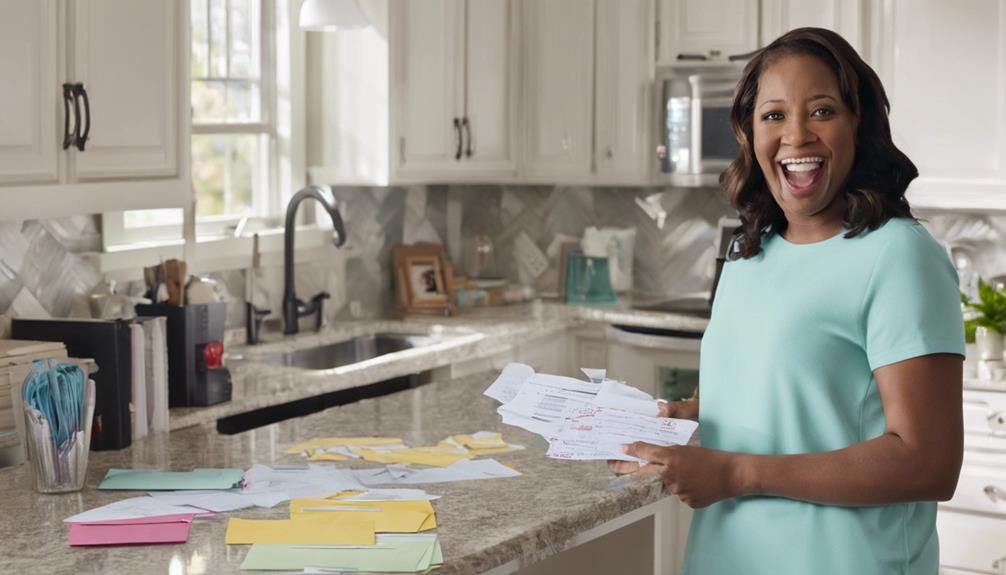
You now hold the reins, tasked with examining the stack of offers on your kitchen table to pinpoint the best deal for your home. This is a critical moment, where handling pressure and making informed decisions will ultimately determine the success of the sale. As a seller, it's natural to experience an emotional rollercoaster, but maintaining a level-headed and objective perspective is crucial.
As you explore the offers, consider the following key factors:
- Financing: Which buyer has the most secure funding in place? Are there any contingencies or red flags that could jeopardize the deal?
- Timeline: Which offer aligns best with your desired closing schedule? Are there any potential delays or obstacles that could impact the sale?
- Terms and Conditions: Which offer provides the most favorable terms and conditions for you as the seller? Are there any unusual requests or concessions that could benefit or harm you?
Negotiating Final Terms
With the best offer selected, it's time to negotiate final terms that satisfy both you and the buyer, guaranteeing a smooth handover to closing. You'll need to review the buyer's requests and work with them to finalize the agreement. Be prepared to address any concerns or issues that arise during this phase.
During negotiations, consider the buyer's requests carefully and prioritize your needs. Be open to compromise, but don't jeopardize your goals. Remember, this is the last opportunity to make changes before the sale is finalized.
Once you've reached mutually agreeable terms, it's time to move forward with the escrow process. This involves depositing the earnest money and signing the final documents. Make sure you understand the terms and timelines outlined in the agreement to avoid any last-minute surprises.
Completing Due Diligence
As the buyer proceeds with their due diligence, they'll inspect the property, review documents, and finalize financing, guaranteeing a smooth shift to closing. This is a critical phase, and you'll want to stay on top of things to avoid any last-minute hiccups.
Here are a few key areas to focus on:
- Conducting inspections: The buyer will hire professionals to examine your home's condition, from the foundation to the roof. Be prepared to provide access and answer any questions they may have.
- Verifying financing: The buyer's lender will review their creditworthiness and finalize loan terms. You may need to provide additional documentation or answer questions about the property.
- Reviewing and finalizing documents: The buyer will review and sign off on all closing documents, including the sale contract and title transfer. Guarantee you have all necessary paperwork ready and easily accessible.
Frequently Asked Questions
Can I Sell My Home to a Family Member at a Discount?
When considering selling your home to a family member at a discount, you'll want to weigh the pros and cons. Firstly, you're strengthening family relationships by giving them a break. Conversely, you're potentially leaving money on the table. Make sure you're not sacrificing too much by researching the fair market value of your home and considering the tax implications of a discounted sale.
Do I Need to Disclose Known Defects to Potential Buyers?
You're sailing through the selling process, but don't drop anchor just yet! As a seller, you're steering through treacherous waters, and honesty is the beacon that'll guide you through. Legally, you're obligated to disclose known defects to potential buyers, but it's equally the ethical thing to do. Remember, transparency builds trust, and hiding flaws can lead to costly disputes down the line. So, come clean and avoid any concealed surprises that could sink your sale.
Can I Back Out of a Sale if I Get a Better Offer?
Can you back out of a sale if a better offer comes along? Typically, no, you can't simply back out of a sale once you've accepted an offer. Instead, you can negotiate with the buyer to see if they're willing to improve their offer. Consider asking for better terms, such as a quicker closing or more advantageous buyer incentives. If that doesn't yield results, you may need to stick with the original deal or risk losing both offers.
Are There Tax Implications for Selling My Home Quickly?
When selling your home quickly, you're likely wondering about tax implications. You'll want to take into account capital gains taxes, which can be significant if you've lived in the home for less than two years. Moreover, if you're offering a family member discount, it may affect your tax burden. Remember to disclose known defects to avoid legal issues. If you're tempted to back out for a better offer, be cautious – it can lead to legal battles. And, if you need time to move, take into account a rent-back agreement.
Can I Rent Back My Home From the Buyer After Closing?
You're considering rent back agreements, where you rent your home from the buyer after closing. This can be a win-win, allowing you to stay in the home whilst the buyer occupies it. Nonetheless, you'll need to negotiate buyer occupancy terms, guaranteeing a smooth changeover. Be cautious, as rent back agreements can impact your tax implications. Weigh the pros and cons carefully to make sure it's the right move for you.