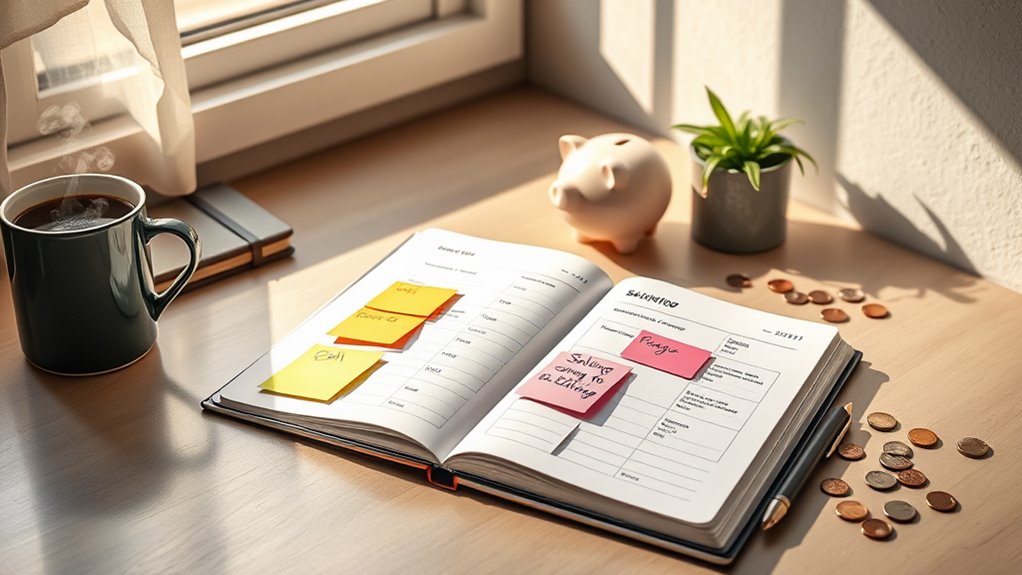
How to Save for a Down Payment Without Feeling Overwhelmed
Saving for a down payment doesn't have to feel overwhelming. Start by grasping your needs and setting realistic goals based on your local housing market. Break your total amount into smaller, monthly savings targets. Open a dedicated savings account, ideally one with higher interest, and automate your contributions to eliminate stress over decision-making. Cut unnecessary expenses by prioritizing needs and identifying triggers for impulse spending. Stay motivated by celebrating your milestones, and consider side hustles to boost your savings. Stay flexible and adjust your plan as life changes, and you'll soon see how easy it can be to reach your goal. Explore more strategies to simplify your path ahead.
Understand Your Down Payment Needs
How much do you really need for a down payment? This question can feel intimidating, but it's essential for your financial readiness. Comprehending your down payment needs isn't just about numbers; it's about feeling secure in your path toward homeownership.
Different down payment types come into play depending on the mortgage you choose. Conventional loans often require a down payment of at least 20% to avoid private mortgage insurance (PMI), but many options are available, including FHA loans that can require as little as 3.5%. You might even qualify for programs that offer down payment assistance, which can ease your route to owning a home.
Consider your financial readiness as you explore these options. Are you prepared to handle the upfront costs of home buying? Think about your savings, income stability, and any debts you may have. It's not just about the down payment itself; it's about ensuring you can manage ongoing costs like maintenance and property taxes once you've moved in.
Take your time to assess what works for you. Remember, the goal isn't to rush into homeownership but to find a place where you truly belong. By comprehending your down payment needs and the various types available, you can create a realistic plan that aligns with your financial situation and future aspirations. With the right approach, you can turn your dream of owning a home into a reality.
Set a Realistic Timeline
To set a realistic timeline for your down payment savings, start by evaluating your financial situation. Once you understand where you stand, define clear savings goals that match your budget and timeline. Finally, break down those goals into manageable milestones to keep you motivated along the way.
Assess Your Financial Situation
In the process of determining your financial situation, it is essential to set a realistic timeline for your down payment savings. Start by evaluating your current income, expenses, and any existing savings. This will help you see how much you can allocate toward your down payment without neglecting your emergency fund or impacting your credit score.
Use the table below to outline your financial situation and timeline:
| Category | Current Amount | Goal Amount |
|---|---|---|
| Monthly Income | $ | $ |
| Monthly Expenses | $ | $ |
| Emergency Fund | $ | $ |
| Down Payment Savings | $ | $ |
Once you have a clear picture, you can better determine how long it'll take to reach your target. You might need to adjust your timeline based on your savings strategy, but being realistic and flexible will help you stay motivated. Remember, it's about making consistent progress as you ensure you're financially secure. You're not alone on this expedition, and taking these steps will bring you closer to your goal of homeownership.
Define Clear Savings Goals
Setting clear savings goals is crucial for turning your dream of homeownership into reality. When you define specific targets, it helps you stay focused and motivated. Start by deciding how much you need for a down payment. Research your local housing market to get a realistic number. Once you have this figure, break it down into manageable monthly contributions.
Next, envision success. Picture how it'll feel to finally hold the keys to your new home. This vision will keep you inspired during the saving process. It's equally important to set a realistic timeline. Consider your current income and expenses, and determine how long it will take to reach your goal.
As you make progress, don't forget to celebrate milestones along the way. Whether it's saving your first $1,000 or reaching a quarter of your goal, acknowledging these achievements can boost your motivation. Share your progress with friends or family; their support can make a big difference. By defining clear savings goals and celebrating your progress, you're not just saving money—you're building a future where you truly belong.
Break Down Milestones
Breaking down your savings into milestones can make the expedition to homeownership feel more manageable and less overwhelming. By using milestone mapping, you can create clear savings checkpoints that keep you motivated and focused on your goal. Here's how to get started:
- Set Short-Term Goals: Aim to save a specific amount each month. Think about how great it'll feel to see your savings grow steadily!
- Celebrate Mini Milestones: When you reach a certain amount, treat yourself. Whether it's a day out or a cozy night in, it's important to acknowledge your progress.
- Adjust Timelines as Needed: Life happens! If you hit a bump in the road, don't stress. Revisit your plan and adjust your milestones to keep moving forward.
Create a Dedicated Savings Account
To effectively save for your down payment, consider creating a dedicated savings account particularly for this purpose. This approach not only simplifies your savings strategy but likewise helps you stay focused on your goal. By separating your down payment funds from your everyday spending, you'll gain a clearer picture of your progress and feel more in control of your finances.
When choosing account types, look for options that offer higher interest rates, like a high-yield savings account or a money market account. These accounts typically provide better returns compared to traditional savings accounts, allowing your money to grow faster. Make sure to research any account fees or restrictions, as these can eat into your savings over time.
Another great aspect of a dedicated savings account is that it can serve as a visual reminder of your goal. You might even consider naming the account something motivational, like "Home Sweet Home Fund" or "Dream House Savings." This personal touch can encourage a sense of belonging and purpose, making your saving experience feel rewarding rather than burdensome.
You'll likewise want to track your progress regularly. Monitoring your savings can boost your motivation and keep you engaged in the process. When you see your balance growing, it reinforces the idea that you're moving closer to your goal. So, take that first step and set up your dedicated savings account today—it's an essential part of turning your homeownership dream into reality.
Automate Your Savings
Automating your savings can be a game-changer in your quest for a down payment. By setting up automatic transfers, you remove the need for constant decision-making, which can often lead to savings challenges. Instead, you can focus on your financial goals without the stress of remembering to save each month.
Here are three significant benefits of automating your savings:
- Consistency: Automatic transfers guarantee that you're saving regularly, helping to cultivate a savings mindset. You're building a habit that feels seamless and integrated into your life.
- Financial Apps: Many budgeting strategies now include financial apps that allow you to set up these transfers with ease. You can track your progress through expense tracking features, giving you a visual representation of your path towards your down payment goal.
- Savings Incentives: Some banks offer higher interest rates on savings accounts if you set up automatic transfers. This means your money can grow faster, providing you with extra motivation to stick to your plan.
Cut Unnecessary Expenses
To save effectively for a down payment, start by analyzing your spending habits. Identify what's crucial and what can be trimmed from your budget. By prioritizing crucial purchases, you can free up more money for your savings goals.
Analyze Your Spending Habits
Cutting back on unnecessary expenses can greatly boost your savings for a down payment. To achieve this, it's crucial to analyze your spending habits. Start by identifying your spending triggers—those moments that lead you to splurge. Once you know what drives your purchases, you can make more informed decisions.
Consider breaking down your expenses into budget categories. This will help you pinpoint areas where you can cut back. Here are three common categories where you might find savings:
- Dining Out: Eating out often feels social and fun, but those costs add up quickly.
- Subscriptions: Review your streaming services and monthly subscriptions. Do you really use them all?
- Impulse Purchases: Those little buys might seem harmless, but they can derail your saving goals.
Prioritize Essential Purchases
In relation to saving for a down payment, prioritizing vital purchases is key. Start by identifying your fundamental needs versus wants. This isn't about depriving yourself; it's about aligning your financial priorities with your goals.
Engage in mindful spending by evaluating each purchase. Ask yourself: Does this align with my necessity appraisal? By conducting a value evaluation, you'll find that some items simply don't hold the same significance as others. Focus on budget allocation that supports your savings plan.
Smart shopping can help you find deals on necessities without sacrificing quality. Look for sales or use coupons—this is part of conscious consumerism. When you plan your purchases, consider how each one impacts your down payment expedition.
Expense prioritization is vital; it allows you to enjoy life whilst still saving. By cutting out unnecessary expenses, you'll feel empowered in your financial decisions. Remember, every dollar saved gets you closer to your dream home. Embrace this mindset, and you'll not just feel more in control but also part of a community working towards similar objectives. You're not alone on this expedition!
Use Budgeting Apps
Budgeting apps can be a transformative tool regarding saving for a down payment. By utilizing the right app features, you'll find it easier to implement effective budgeting strategies that suit your lifestyle. These apps simplify tracking your spending and can help you set achievable savings goals.
Here are three significant benefits you can experience by using budgeting apps:
- Visual Progress Tracking: Instantly see how close you are to your down payment goal. The satisfaction of watching your savings grow can motivate you to stick to your plan.
- Customizable Budgeting: These apps allow you to create personalized budgets that align with your financial habits and dreams. You'll feel empowered to make conscious spending choices that bring you closer to homeownership.
- Community Support: Many apps have forums or social features where you can connect with others on similar paths. Sharing experiences and tips can improve your sense of belonging and keep you inspired.
Take Advantage of Employer Programs
Maximize your savings by taking advantage of employer programs designed to help employees save for significant purchases like a home. Many companies offer employer incentives that can give your down payment fund a substantial boost. These programs might include matching contributions for savings accounts, homebuyer assistance funds, or even education workshops that improve your financial education.
Start by checking with your HR department to see what options are available. You might be surprised at the resources your employer provides, from direct contributions to customized savings plans. Participating in these programs not only helps you save more but also cultivates a sense of belonging within your workplace community. When you engage in employer-sponsored initiatives, you're investing in both your future and your connection with colleagues who share similar goals.
In addition, don't overlook any educational seminars or financial planning sessions your employer offers. They can strengthen your comprehension of budgeting, saving strategies, and managing the home-buying process. This knowledge empowers you to make informed decisions, ensuring you're better prepared to tackle the challenges of homeownership.
Explore Government Assistance Options
When you're saving for a down payment, don't overlook government assistance programs that can help you out. These programs vary widely in type and come with specific eligibility requirements, so it's essential to understand what's available. We'll walk you through the application process to make it easier to access the support you need.
Types of Assistance Programs
Steering through the domain of homeownership can feel overwhelming, but various government assistance programs are designed to help make the expedition smoother. For first-time buyers like you, knowing the right options can greatly ease the adventure. Here are three types of assistance programs you should consider:
- Down Payment Assistance: Many local initiatives offer grants or low-interest loans to help you cover your down payment. This can be a game-changer in making homeownership a reality.
- Homebuyer Education: Programs that provide financial literacy and homebuyer education equip you with the knowledge needed to make informed decisions. This support can boost your confidence as you navigate the buying process.
- Credit Counseling: Access to credit counseling services can guide you in improving your credit score and comprehending your loan options, making you a more attractive candidate for mortgages.
Eligibility Requirements Explained
Grasping the eligibility requirements for government assistance programs can help you determine which options are available to you. Each program has specific criteria, often centered around your credit score, income verification, and debt-to-income ratio. Comprehending these factors is vital, as they impact your loan options and the mortgage types for which you may qualify.
To boost your chances of approval, consider implementing effective savings strategies and acquiring budgeting techniques. This not only improves your financial literacy but likewise shows lenders your commitment to responsible money management. Keep an eye on market trends, as they can influence the assistance programs available to you.
It's fundamental to weigh the investment risks associated with different mortgage types, as some options carry higher financial responsibilities. By familiarizing yourself with the eligibility requirements, you'll feel more empowered to take control of your financial future. Remember, the expedition to homeownership is a shared experience, and knowing the rules can help you connect with others who are on the same path. Embrace these insights, and you'll be better positioned to make informed decisions as you save for that all-important down payment.
Application Process Simplified
Steering through the application process for government assistance programs can feel overwhelming, but breaking it down into manageable steps makes it easier. You're not alone in this expedition; many have navigated these waters and found support along the way. Here are some application tips to guide you:
- Gather Your Documents: Start by collecting all necessary paperwork, like income statements, tax returns, and identification. Having everything ready can ease your stress.
- Understand the Requirements: Familiarize yourself with what's needed for the specific program you're interested in. This knowledge will help you feel more confident and connected to the process.
- Reach Out for Help: Don't hesitate to ask questions! Whether it's a local housing authority or a trusted friend, support is essential. You deserve to feel empowered.
Consider Side Hustles
Even though saving for a down payment can feel challenging, exploring side hustles can significantly improve your savings. The gig economy offers a plethora of freelance opportunities that can fit your schedule and interests. Whether you're passionate about writing, design, or driving, there's something out there for everyone. By dedicating just a few hours a week, you can make significant strides toward your down payment goal.
Here's a quick look at some popular side hustles:
| Side Hustle | Potential Earnings |
|---|---|
| Freelance Writing | $20 – $100/hour |
| Rideshare Driving | $15 – $30/hour |
| Graphic Design | $25 – $75/hour |
| Online Tutoring | $15 – $50/hour |
| Pet Sitting/Dog Walking | $15 – $30/hour |
Each of these options not only allows you to earn extra cash but also connects you with like-minded individuals. You'll find a sense of belonging in various communities, whether online or in your neighborhood. Plus, side hustles can help you develop new skills that may even benefit your main career.
Monitor Your Progress Regularly
Keeping track of your savings progress is crucial for staying motivated and on target. By monitoring how close you are to your down payment goal, you can keep your spirits high and maintain a sense of purpose. Plus, progress tracking allows you to visualize your goals, making them feel more achievable.
Here are three effective methods to monitor your savings:
- Set Milestones: Break your total down payment into smaller, manageable milestones. Celebrate each milestone you reach. These victories remind you that you're moving in the right direction.
- Use a Savings App: Leverage technology to track your savings. Many apps provide visual graphs and reminders, which can make the process more engaging. Seeing your progress visually can strengthen your commitment and encourage you to keep going.
- Share Your Expedition with Friends: Your support system can be an influential motivator. Share your goals with friends or family, and update them on your progress. This sense of accountability can create a feeling of belonging, making the expedition feel less isolating.
Stay Motivated With Rewards
Staying motivated on your savings path can be challenging, especially as time passes and your goal feels distant. You can make the expedition enjoyable by implementing reward systems that provide positive reinforcement for your efforts. Consider incorporating savings challenges and incentive programs that encourage you to stay on track. By gamifying savings, you transform the process into an engaging experience. Additionally, sharing your savings journey with friends or family can create a support network that keeps you accountable and motivated. You can also set milestones along the way that allow you to celebrate smaller achievements, making the journey feel less daunting. With these strategies in mind, you can even explore tips on how to ease moving day stress, ensuring that both your financial goals and logistical challenges are met with enthusiasm and positivity.
Set milestones along the way and celebrate each achievement. Milestone celebrations can be as simple as treating yourself to a nice dinner or a fun outing with friends. Use progress tracking to visualize your achievements and keep the momentum going. Here's a table to help you brainstorm potential rewards:
| Milestone | Reward Idea |
|---|---|
| First $500 saved | Personal treat (e.g., new book) |
| $1,000 saved | Dinner with friends |
| $2,500 saved | Weekend getaway |
| Halfway to goal | Spa day or pampering session |
| Goal achieved | Dream vacation |
Engaging in community support can likewise amplify your motivation. Share your goals with friends or join a savings group. Their encouragement can help you stay committed. Remember, financial literacy is key; comprehending your progress will empower you. So, keep your eyes on the prize and reward yourself along the way. You're not just saving money; you're building toward a future you desire!
Adjust Your Plan as Needed
As you progress on your savings path, it's essential to regularly assess and adjust your plan to stay aligned with your goals. Life can be unpredictable, and having savings flexibility allows you to pivot when necessary. Maybe you've recently experienced a change in your job status, or perhaps unexpected expenses have popped up. Whatever the case, don't hesitate to make financial adjustments to keep you on track.
Here are three steps to help you navigate these changes:
- Reevaluate Your Budget: Take a fresh look at your income and expenses. Are there areas where you can cut back? This will give you a clearer picture of how much you can allocate to your down payment.
- Set New Savings Targets: If your financial situation changes, it might be time to adjust your down payment goal. Setting realistic, achievable targets can help keep you motivated and feeling successful.
- Celebrate Small Wins: Remember, every dollar saved is a step closer to your dream. Take time to acknowledge your progress, no matter how small. You're part of a community of savers, and sharing your victories can inspire others.
Frequently Asked Questions
What's the Average Down Payment Percentage for First-Time Homebuyers?
The average down payment for first-time homebuyers is around 6% to 7%. To make this more manageable, you can adopt down payment strategies that fit your lifestyle. Consider setting up a dedicated savings account and automating transfers. Budgeting tips, like cutting unnecessary expenses or finding side gigs, can help you reach your goal faster. You're not alone in this process, and taking small steps can build your confidence and make homeownership feel achievable.
How Can I Improve My Credit Score Before Applying for a Mortgage?
To improve your credit score before applying for a mortgage, focus on two key areas: credit utilization and payment history. Keep your credit utilization below 30% by paying down existing debts. Make sure you pay your bills on time, as your payment history has a significant impact on your score. Regularly check your credit report for errors and dispute any inaccuracies. You'll be on your way to a better score and a brighter future!
What Is the Difference Between a Fixed and Adjustable-Rate Mortgage?
When you're choosing between a fixed-rate and an adjustable-rate mortgage, you need to understand how each affects your finances. With fixed rates, your monthly payments stay the same throughout the loan term, providing stability. Alternatively, adjustable rates can fluctuate based on market conditions, which might lower your initial payments but can lead to higher costs later. Consider your financial goals and comfort with interest fluctuations to make the best decision for your situation.
Are There Tax Benefits for Saving for a Down Payment?
Yes, there are tax benefits for saving for a down payment! You might want to contemplate utilizing specific savings accounts, like a First-Time Homebuyer Savings Account, which can offer tax deductions. These accounts let you set aside money for your future home during the process of potentially lowering your taxable income. By taking advantage of these benefits, you're not just saving; you're likewise making smart financial moves for your future!
How Do I Choose the Right Mortgage Lender for My Situation?
Choosing the right mortgage lender is like finding the perfect puzzle piece—it has to fit your unique picture. Start with a mortgage lender comparison to see who offers the best rates and terms for your situation. Ask friends for recommendations and read reviews to gauge their reputation. During the loan application process, confirm you feel comfortable with their communication style and support, as a trustworthy lender can make all the difference in your experience.